
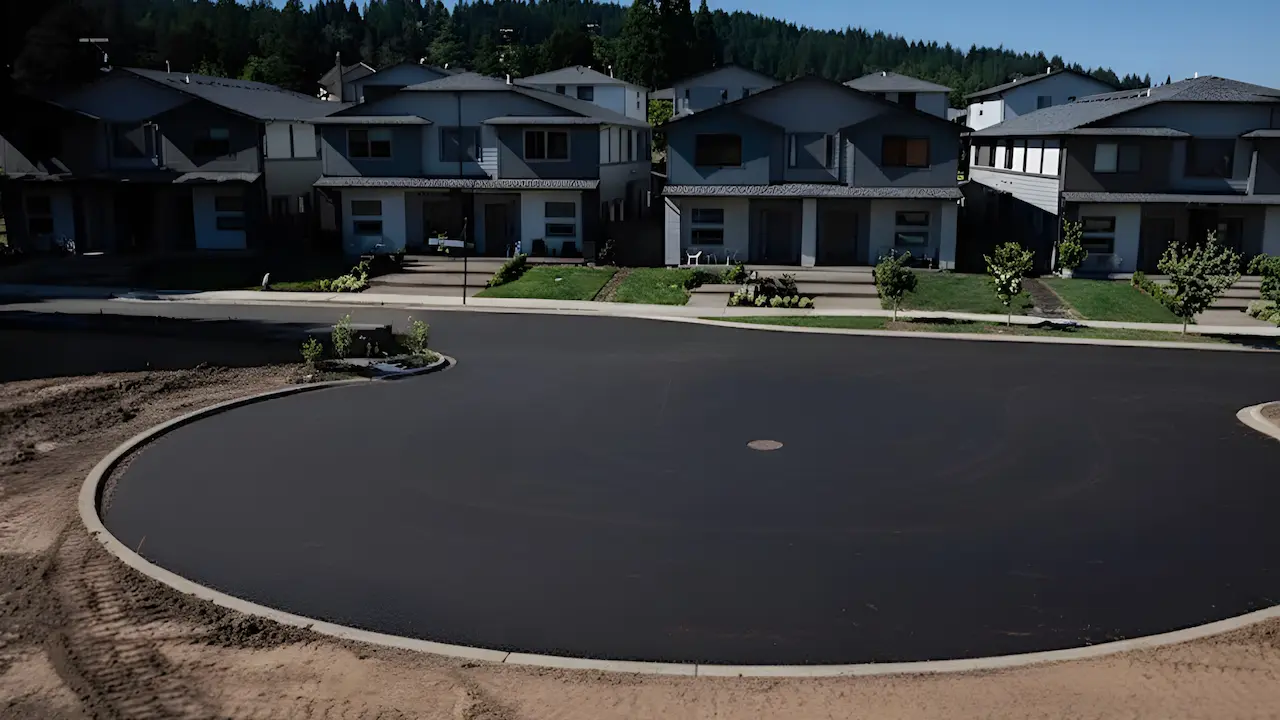
The U.S. housing market delivered a cheeky little wink in December 2025, with single-family housing starts climbing 4.1% to a seasonally adjusted annual rate of 981,000 units, according to the latest Census Bureau data.
Just when buyers were ready to surrender their dreams to eternal renting, builders decided to hammer a few more nails—though permits for future homes dipped, reminding everyone that optimism comes with an asterisk the size of a McMansion.
The uptick offered a fleeting ray of hope amid sky-high mortgage rates and prices that treat median incomes like an ex who won’t return calls.
Builders, ever the eternal optimists when not despairing, saw sentiment slide further into the basement this month, with the NAHB index reflecting deep concerns over soaring land, construction costs, and buyers who vanished like socks in a dryer. More than a third of them are now slashing prices just to lure someone—anyone—through the door.
Adding a layer of modern absurdity, tech giants hungry for data centers are swooping in like caffeinated vultures, outbidding homebuilders for prime land, especially in Northern Virginia’s booming “Data Center Alley.”
Plots once eyed for cozy subdivisions now host humming server farms powering the nation’s AI ambitions. Homebuyers aren’t just competing with each other anymore; they’re up against algorithms that don’t need bedrooms but devour acres anyway.
Economists like Nancy Vanden Houten at Oxford Economics forecast a gradual thaw in starts through 2026, though don’t hold your breath for fireworks. The broader shortage—rooted in post-2008 underinvestment, zoning laws that treat apartments like forbidden fruit, and a national preference for ever-larger homes—remains stubbornly intact.
New single-family houses now average around 2,400 square feet, roughly 30% bigger than those built 50 years ago. Apparently, Americans want walk-in closets big enough to hide from affordability reality.
The result? A market where modest gains feel like victories and structural woes loom larger than a starter home used to. Builders keep swinging, but until policy catches up—or buyers decide 1,500 square feet is plenty—the dream of owning feels like it’s still loading.









Leave a Reply