
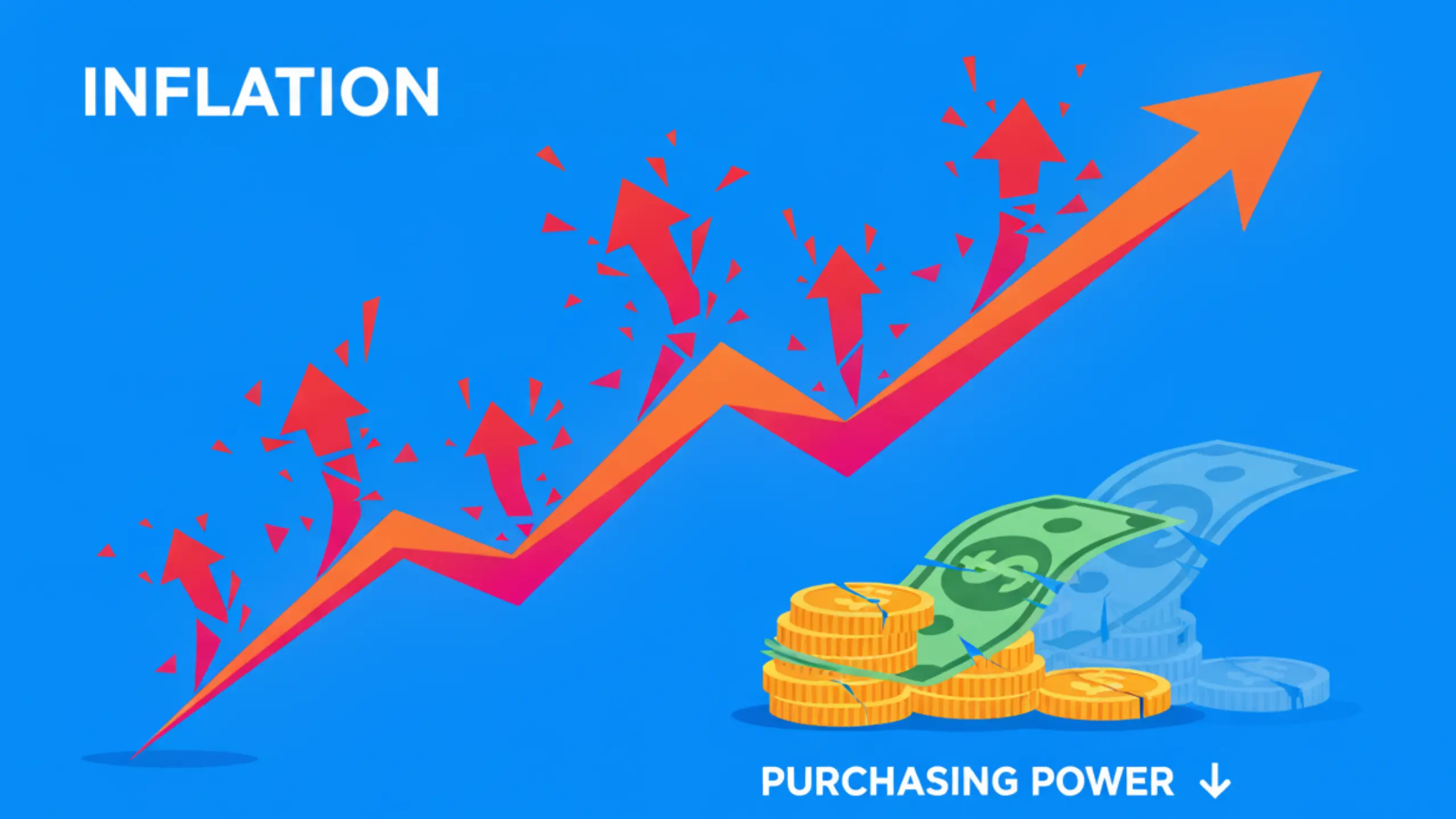
America’s favorite inflation thermometer, the one the Federal Reserve actually trusts, rose a sleepy 0.3% in September and basically shrugged, giving Wall Street the clearest wink yet that interest rates are coming down next week faster than a Black Friday price on a 75-inch TV.
The report, fashionably late by five weeks courtesy of the government shutdown, showed core prices (the ones that ignore food and energy because they’re drama queens) up a gentle 0.2%. At that glacial pace, inflation would hit the Fed’s sacred 2% target sometime before the next ice age.
Economists immediately declared the data “Goldilocks-approved”: not too hot, not too cold, just boring enough to justify a rate cut at the December 9-10 meeting without anyone having to update their LinkedIn headline to “Former Fed Chair.”
Consumers, meanwhile, kept spending like responsible adults who still believe in the healing power of retail therapy. Outlays rose 0.3% in September, down from August’s more enthusiastic 0.5%, but then Americans apparently chugged eggnog-flavored caffeine and smashed online shopping records over Thanksgiving weekend.
Adobe Analytics reports a 7.7% surge in cyber-spending the five days after Turkey Day, proving that nothing says “I’m worried about the labor market” like panic-buying another air fryer at 3 a.m.
Incomes, bless them, grew a sturdy 0.4% for the second month running, giving households just enough extra cash to pretend tariffs aren’t quietly raising the price of everything imported from anywhere.
Yet hidden in the numbers lurks the ghost of services inflation past. That stubborn corner of the report refuses to cool, waving a tiny red flag that some Fed officials will undoubtedly notice between sips of decaf at next week’s meeting.
Omair Sharif of Inflation Insights summed it up neatly: the overall report is chill, but services prices “haven’t really shown any sign of slowing down.” Translation: the Fed can cut rates, but someone in the room is still going to clear their throat dramatically.
The central bank now faces the monetary equivalent of parallel parking a cruise ship. Keep rates high and risk strangling a wobbly job market; cut too eagerly and risk looking like you’ve surrendered to inflation just because President Trump’s tariffs keep poking the price beast.
Recent private payroll data from ADP added spice by showing businesses actually shed 32,000 jobs in November, the first decline in years and a reminder that companies can ruin the holiday party faster than Uncle Gary with his political opinions.
The official jobs report lands December 16 and is still expected to show a small gain, because nothing says “mixed signals” like one dataset screaming recession while another hums along building AI data centers like they’re the new pyramids.
In short, the economy is doing that awkward dance where one foot says “soft landing” and the other yells “timber!” The Fed appears ready to ease off the brake—gently—while keeping one eye on the rearview mirror and the other on the punch bowl.




Leave a Reply