
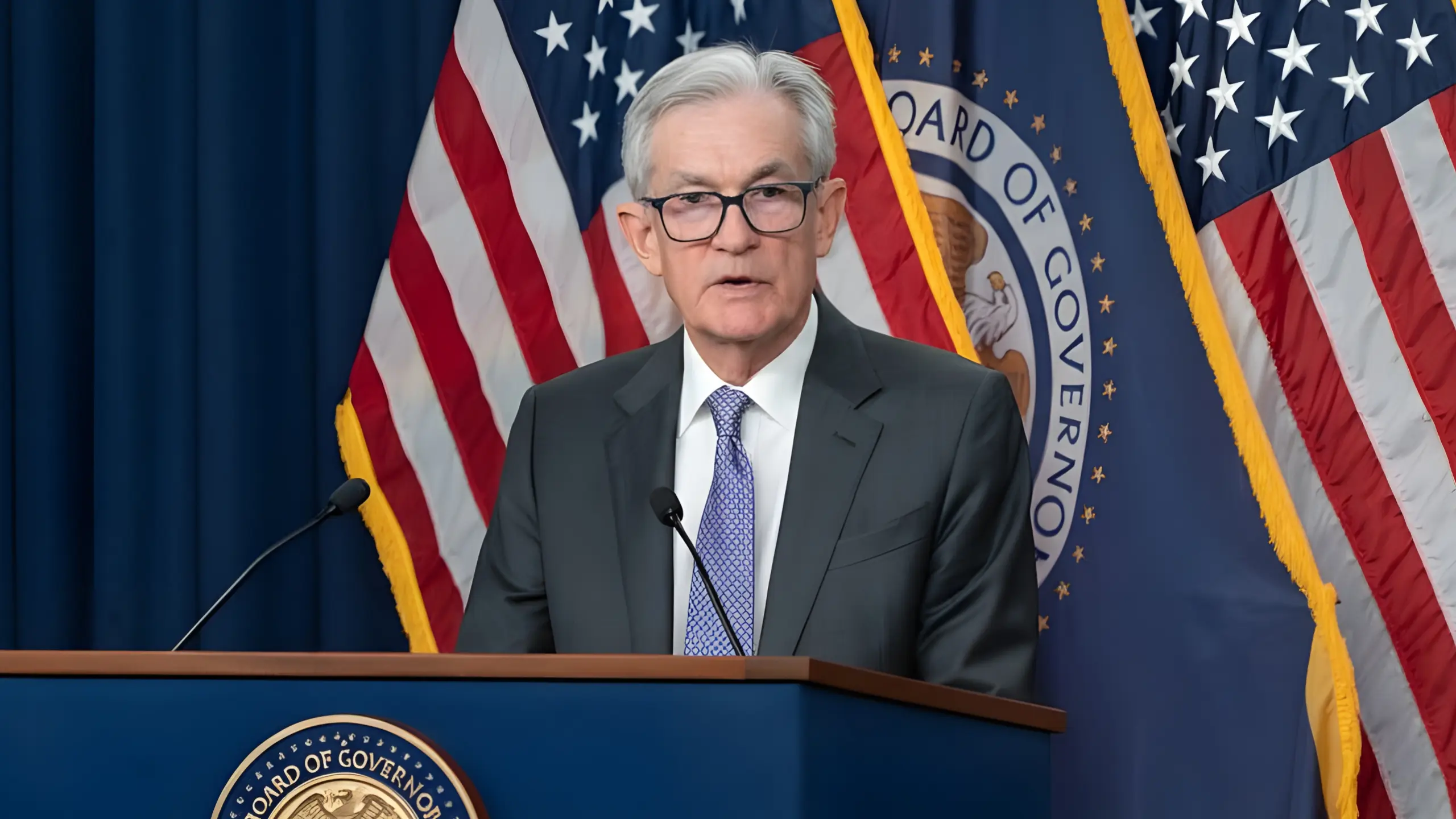
The Federal Reserve decided to keep interest rates steady at 3.5% to 3.75% this week, following their trio of cuts late last year that had everyone dreaming of cheaper borrowing.
The central bankers, perched in their marble halls like cautious owls, signaled they’re hitting the pause button harder than a toddler refusing bedtime. Officials from New York to Kansas City have been dropping hints thicker than fog in San Francisco, repeating that policy is “in a good place” – code for “we’re comfortable right here, thank you very much, no need to rock the boat just yet.”
This pause lands like a soft landing on a feather pillow after the Fed’s aggressive easing spree last fall. Borrowers hoping for another round of relief will have to wait, perhaps until the data gods smile more favorably. Mortgage shoppers, car buyers, and credit card jugglers might feel a collective sigh – rates aren’t climbing, but they’re not tumbling either. It’s the economic equivalent of being stuck in neutral while the engine hums politely.
Inside the Fed, the committee resembles a family dinner where half want dessert now and the other half insist on waiting for digestion. There’s clear dispersion: some members itch to keep cutting, worried about a softening job market where growth has been anemic outside of healthcare, and recent reports might be overstated by tens of thousands of jobs.
Others stand firm, eyeing inflation still lounging around 3% rather than sprinting to 2%. New voting members from Cleveland, Dallas, and Minneapolis appear ready to hold the line, while a few governors grumble about needing faster action.
Fed Chair Jerome Powell is expected to emphasize data dependence in his remarks – basically, “we’ll see what the numbers say next time, folks.” No preset path, no grand promises, just a gentle glide while watching jobs and prices like a hawk with binoculars.
The humor in all this? The Fed has finally reached what economists call “neutral” territory, a mythical zone where rates neither rev up growth nor slam on the brakes. Yet here they sit, engines idling, as if neutral were a parking spot instead of a speed.
One economist likened it to “gently gliding down their landing” – presumably with the flaps down, tray tables up, and passengers wondering if they’ll ever reach the gate.
Analysts foresee perhaps 50 basis points of cuts later in 2026, likely in the second half, if inflation drifts toward 2.5% and the job market shows more cracks. Until then, patience is the watchword – or, as bond managers put it, “short, sweet.” The Fed can afford to wait; the economy isn’t screaming for help or overheating. It’s more like a mild cough that might turn into something, or might not.
In the end, this week’s non-event reminds us that central banking is often less about dramatic heroics and more about quiet vigilance. The Fed isn’t asleep at the wheel; it’s just chosen cruise control for now, letting the economic highway unfold at its own pace.



Leave a Reply