
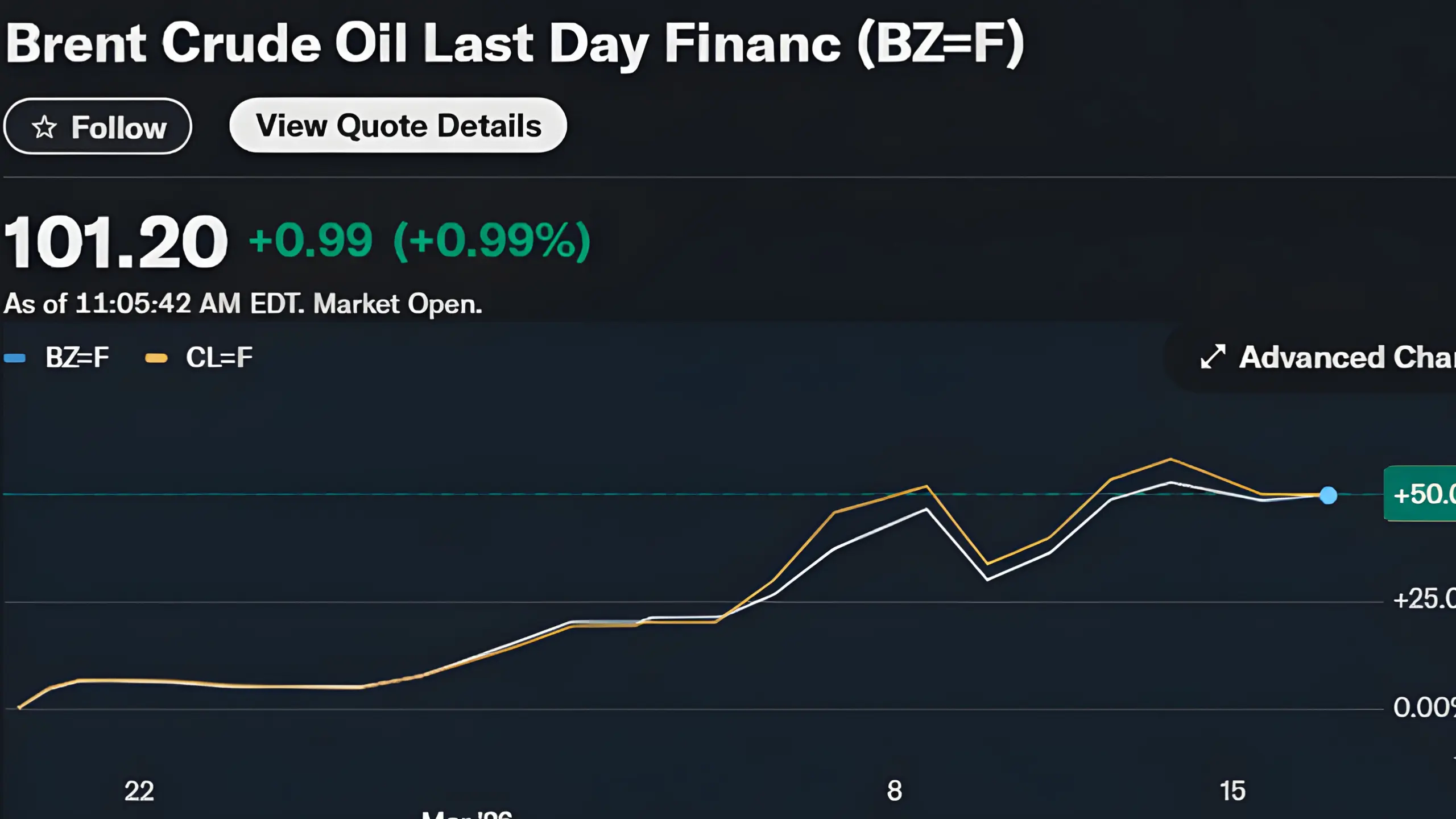
Central bankers around the world were all set to ease interest rates after finally getting inflation under control, only for the war in Iran to crash the party with a big surge in energy prices. This has left them stuck in an uncomfortable spot, balancing rising inflation risks against the threat of slowing economic growth.
The energy price surge is landing like an uninvited bill at the end of a long month, squeezing family budgets and making businesses rethink their spending. It creates a real headache where central bankers might need to cut rates to support growth but can’t because inflation could flare up again – a classic case of damned if you do, damned if you don’t, served with a side of global uncertainty.
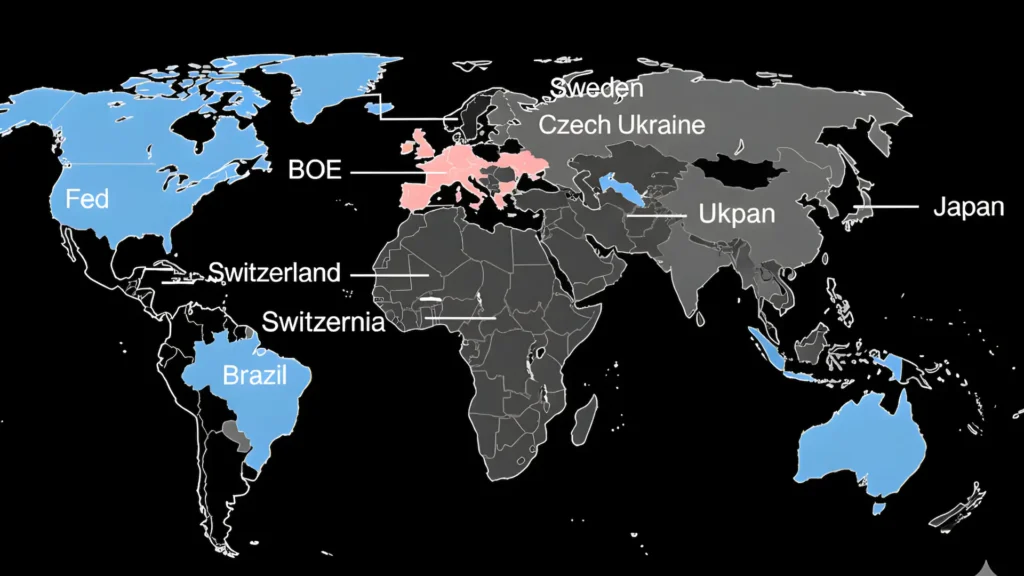
The Federal Reserve, the European Central Bank, the Bank of England, and Switzerland’s central bank are all holding key policy meetings this week.
Most experts predict they’ll leave rates unchanged, embracing the wait-and-see vibe that Fed Chair Jerome Powell has been pushing.
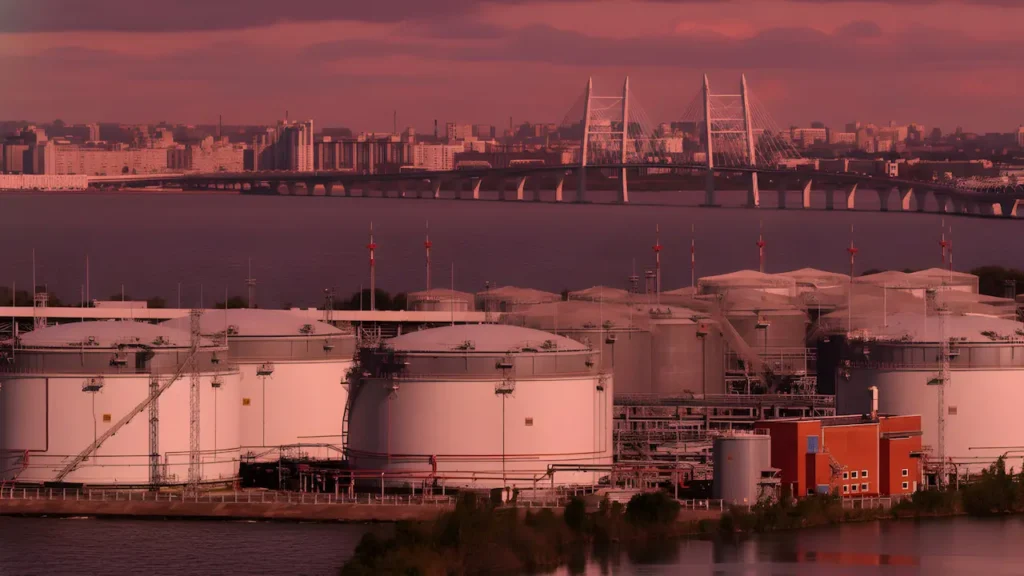
But with oil markets roiled by infrastructure attacks and shipping disruptions, the timing feels like the universe’s idea of a bad joke.
Analysts point out officials must decide if this energy shock is temporary enough to ignore or serious enough to delay those longed-for rate cuts.
Higher fuel costs are lifting headline inflation and could trickle into everyday prices, giving hawks plenty to cheer about.
On the flip side, expensive energy hits consumers and firms like a surprise tax hike, curbing the consumption and investment that lower rates are meant to encourage.
Goldman Sachs economists sum it up neatly: the war boosts chances of needing quicker cuts for softening jobs or putting them off due to persistent inflation.




Leave a Reply