
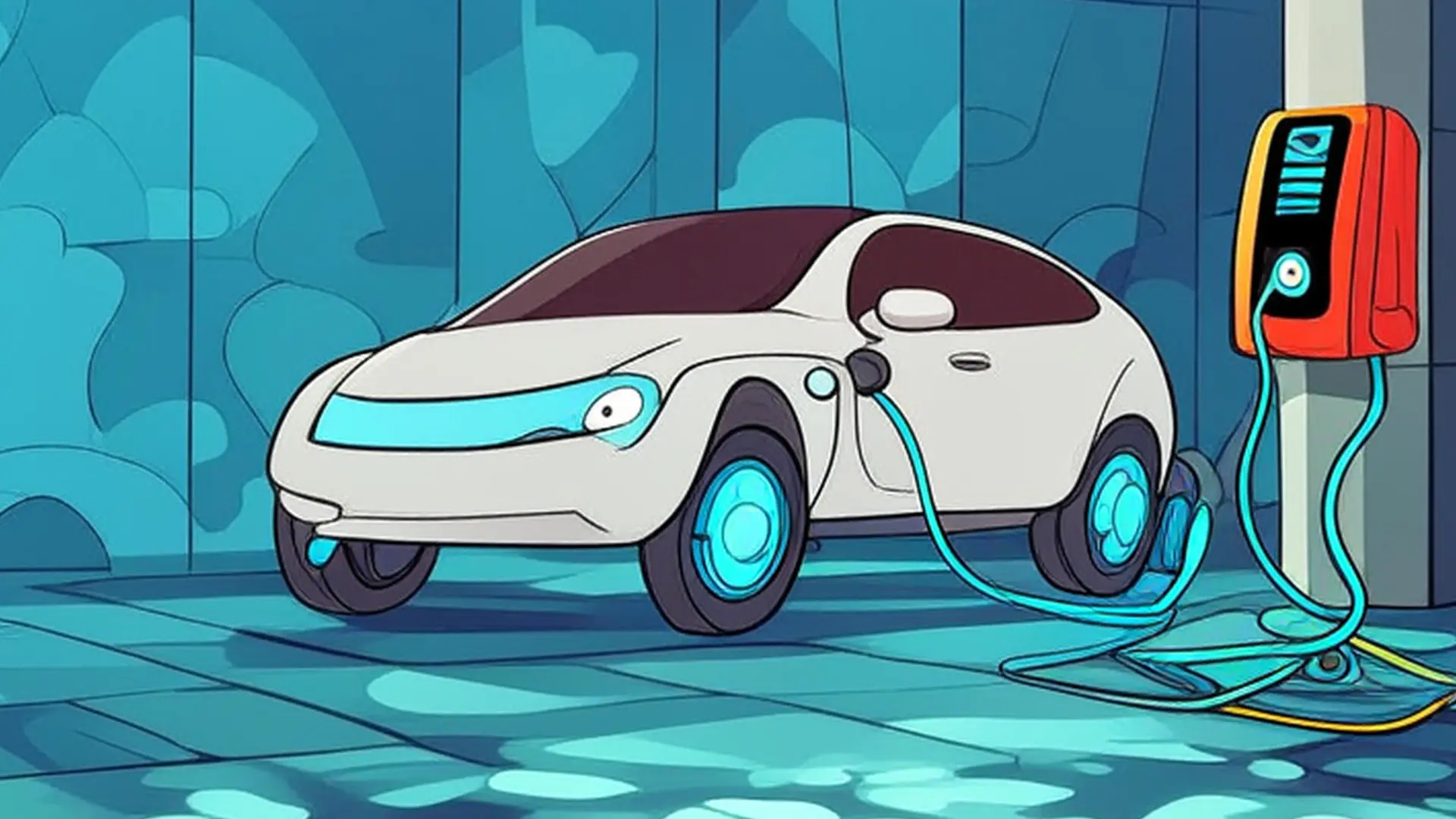
In a move that’s left electric vehicle (EV) enthusiasts feeling a bit unplugged, Congress passed a massive tax and spending cut bill on Thursday, July 3, 2025, that yanks the federal tax credits for EVs faster than you can say “zero emissions.”
The $7,500 credit for new EVs and the $4,000 credit for used ones will vanish by September 30, 2025. So, if you’re eyeing that shiny Tesla or a gently used Nissan Leaf, you’ve got until the end of September to snag those savings before they’re gone for good.
According to Kelley Blue Book, new EVs cost about $9,000 more than their gas-guzzling cousins, while used EVs are roughly $2,000 pricier than comparable fossil-fuel rides. Those tax credits were the government’s way of making EVs less of a wallet-shocker for everyday folks. Without them, Senior Policy Director Ingrid Malmgren from Plug In America warns that EVs might become a luxury item for lower- and middle-income buyers.
Malmgren isn’t throwing in the towel, though—she’s practically waving a pom-pom for EVs. She points out that EVs are cheaper to run over time, with lower fuel and maintenance costs. “They’re a great way to reduce transportation energy cost burden,” she said, probably while picturing all the gas money you’ll save for pizza nights.
The bill, dubbed the “One Big Beautiful Bill Act” (because apparently Congress loves a catchy title), was signed into law by President Trump on July 4, 2025, according to Reuters. It’s not just EVs getting the boot—other clean energy incentives are also taking a hit. The Electrification Coalition grumbled that this move could hand the EV market to China, which is probably not the victory lap America was hoping for.
But hold onto your charging cables—there’s still a spark of hope. Some states offer their own EV incentives, so your wallet might not take the full hit. Malmgren advises buyers to act fast before September 30 to lock in the federal credit, preferably at the point of sale for instant savings.
For those who can stomach the upfront cost, EVs remain a solid deal. They’re cheaper to fuel—think pennies per mile instead of dollars—and they need less maintenance than a gas car that demands oil changes more often than a toddler demands snacks. Malmgren says the break-even point depends on your car, driving habits, and local energy prices, but savings are there for the taking.
The Senate’s decision to fast-track the credit cutoff to September—three months earlier than the House’s plan—has auto dealers sweating bullets. The National Automobile Dealers Association begged for more time to clear EV inventory, but Congress clearly had other plans. Automotive News noted that the Senate’s timeline “defies the wishes of automakers and dealers,” which is a polite way of saying they’re not thrilled.
Tesla’s Model Y, the best-selling EV of 2025 so far, starts at $44,990 before credits, per USA Today. Without the $7,500 federal boost, buyers might need to dig deeper into their piggy banks. And with 1.2 million EVs sold in the U.S. in 2024, according to EVXL.co, the market’s been buzzing—until this bill came along to throw a wrench in the works.
Bloomberg predicts the loss of credits will slow EV sales but won’t kill the market entirely, thanks to new models and state-level incentives. Think of it as a speed bump, not a brick wall. Still, for budget-conscious buyers, the higher upfront cost could make EVs feel as out of reach as a private jet.
The bill’s passage wasn’t without drama—38 House Republicans tried to keep the credits alive, per CarBuzz, but they were outvoted. Tesla CEO Elon Musk, who once benefited from these subsidies, has been cheering for their demise, arguing all government incentives should go the way of the dodo. Meanwhile, the clean energy sector braces for job losses and higher costs, as USA Today warns of “disastrous losses” for automakers who’ve bet big on EVs.
For now, EV shoppers have a two-month window to cash in on the federal credits. Posts on X from Plug In America urge folks to pressure Congress, but with the bill already signed, it’s more about racing to the dealership than rallying on social media. Reuters reported the urgency, with buyers needing their EV in hand by September 30 to qualify.







Leave a Reply