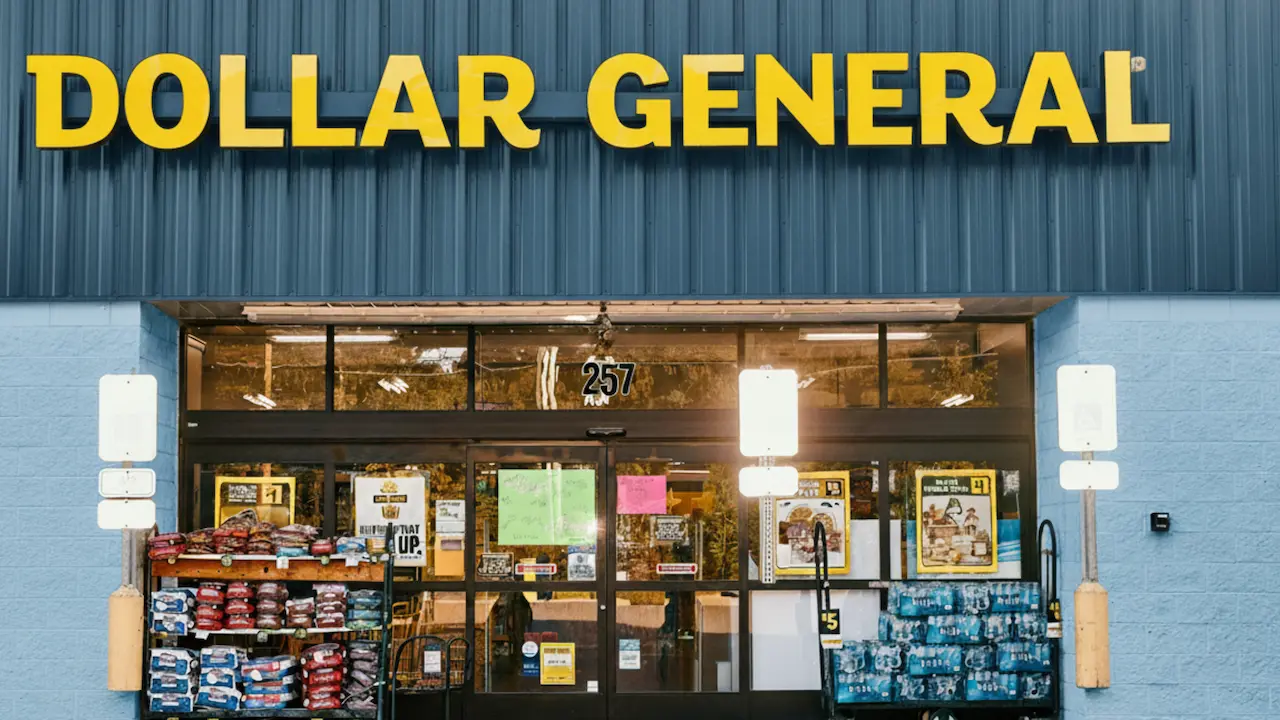
In a year when Nvidia briefly lost its crown as the market’s darling, two retailers famous for selling off-brand cheese puffs and $1 flip-flops have sprinted past it. Dollar Tree and Dollar General shares are up 55% and 65% year-to-date respectively—leaving the AI poster child eating discount dust at a mere 35% gain.
The reason? Americans from trailer parks to McMansions have decided that $1.25 now feels like a reasonable price for almost anything.
Dollar Tree welcomed three million new shoppers in the third quarter alone, on top of an existing base of roughly one hundred million bargain hunters. Remarkably, sixty percent of the newcomers earn more than $100,000 a year—suggesting that even households with six-figure incomes have started doing the math on whether name-brand paper towels are really worth the emotional damage at checkout.
Meanwhile, their less affluent regulars are leaning harder than ever on the chain. Lower-income customers increased their average spend more than twice as fast as the wealthy newcomers, proving that desperation remains the ultimate growth strategy.
Across town—or more accurately, across the same rural county—Dollar General reported the same phenomenon in slightly different packaging. Traffic is up, but baskets are shrinking. Translation: people are coming in more often, buying fewer things, and probably muttering the same sentence under their breath: “Do we really need two cans of beans this week?”
Target, for context, just posted a 3.8% drop in same-store sales, reminding everyone that there is indeed a price point at which even latté loyalists will choose dignity over a dollar.
Dollar General CEO Todd Vasos delivered the corporate equivalent of a sad trombone when he noted that rising prices per item were perfectly offset by customers putting fewer items in their carts. Economists call this “trading down.” Regular humans call it Tuesday.
The trend has turned both companies into accidental truth-tellers for an economy that looks robust in headline GDP prints yet feels like a slow-motion wallet robbery for most households. Rent, healthcare, and groceries refuse to calm down, so consumers—rich and poor alike—have apparently decided that off-brand aluminum foil is the hill they’re willing to live on.
Former Federal Reserve Vice Chair Lael Brainard summed it up neatly last month: the top 10% are floating higher on stock portfolios and home prices, while the bottom three-quarters are Googling “how many packets of ramen equal a balanced meal.”
In other words, the American Dream is alive and well—it’s just shopping in the same aisle as the canned vienna sausages now.
Investors, smelling a trend that isn’t going away before the next election cycle (or possibly ever), have bid the stocks up to levels that would make a Silicon Valley venture capitalist blush. The companies, to their credit, aren’t even pretending this is temporary. Inflation in the necessities isn’t scheduled to attend any cooldown parties soon, and neither are the customers who now consider a $5 lamp a splurge.
So while the financial press obsesses over the latest humanoid robot demo, the real action is happening under flickering fluorescent lights next to the discounted body spray. The United States economy has rarely looked more equal—everyone, from the yacht owner to the food-stamp user, is now proudly clutching the same yellow bag on the way out.
For Wall Street, the surge confirms that betting on human misery can still be a growth industry. For Main Street, it confirms that even people who can afford organic kale are choosing the $1 frozen pizza because, well, have you seen the price of organic kale lately?
Retail analysts are quietly rewriting their models to include a new variable: collective financial exhaustion. It turns out exhaustion is extremely profitable when your average item costs less than a coffee.






Leave a Reply