
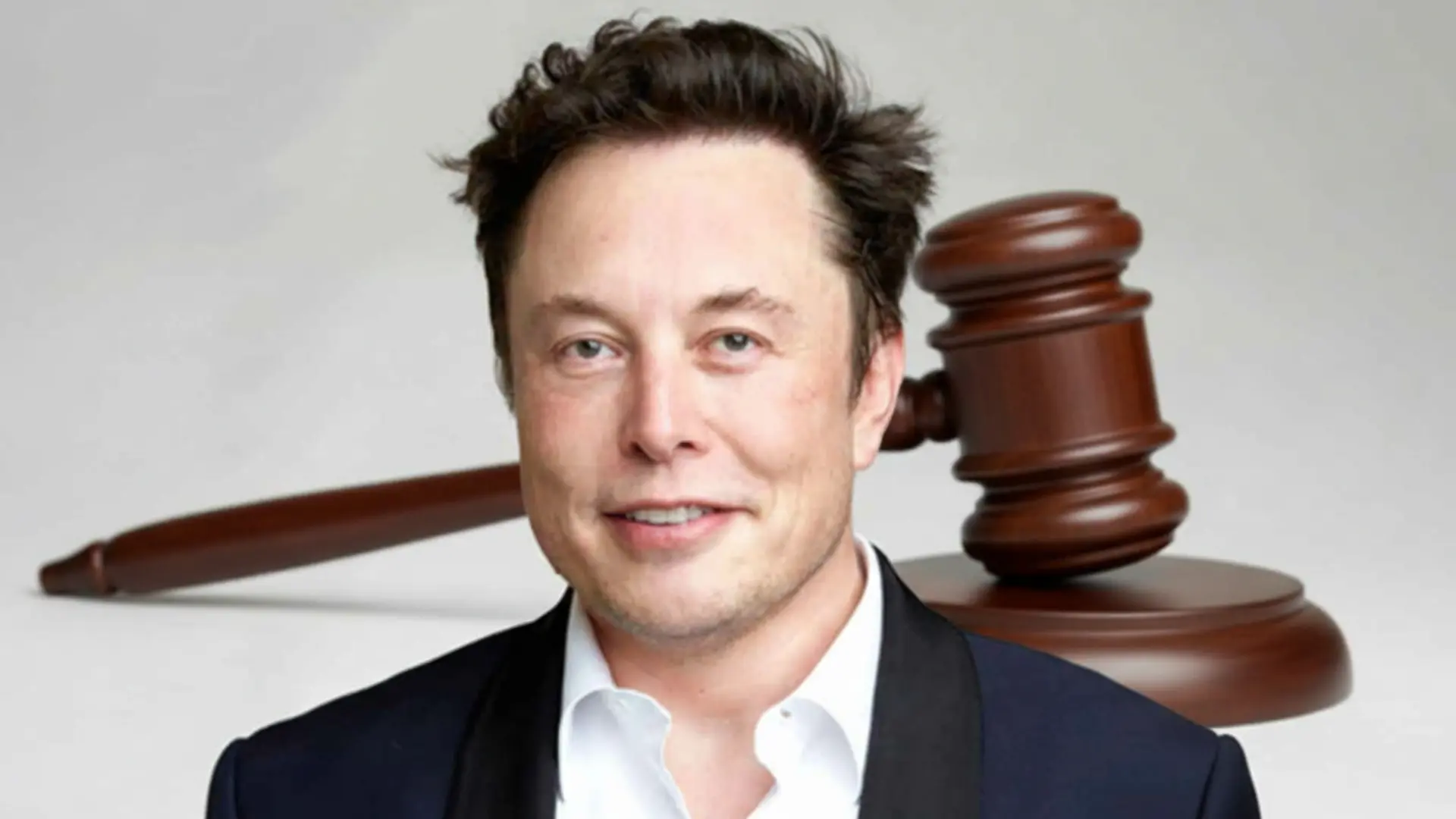
The Delaware Supreme Court on Friday reinstated Elon Musk’s 2018 Tesla compensation package—now valued at a casual $139 billion. What was once deemed “unfathomable” by a lower court is now officially fathomable again, leaving Musk feeling thoroughly vindicated.
Musk’s victory means his ownership stake could jump from around 12% to over 18%, giving him swifter voting power at a company already juggling electric cars, robots, and space dreams. Analysts note this accelerates his control, especially handy since he’s busy running SpaceX and xAI too.
Tesla avoids a potential multi-billion-dollar accounting headache from replacing the award, keeping profits looking a tad healthier. Shares ticked up modestly in after-hours trading, as if the market shrugged and said, “Well, that was expected.”
Delaware’s reputation as the go-to state for corporations takes another gentle bruise, though it remains the popular choice despite a few high-profile exits.
The saga began in 2018 when Tesla shareholders first approved a performance-based plan granting Musk options on about 304 million shares—if the company hit ambitious milestones.
Tesla did hit those marks, turning a struggling automaker into a powerhouse worth trillions at peaks.
Yet Musk couldn’t cash in, thanks to a lawsuit from shareholder Richard Tornetta, who owned exactly nine shares—enough, apparently, to spark a courtroom epic.
In 2024, Chancellor Kathaleen McCormick ruled the board was too cozy with Musk and disclosures fell short, voiding the deal entirely.
Musk, not one to quietly accept defeat, rallied shareholders for a re-vote while blasting Delaware’s courts as unfriendly to bold founders.
Companies like Dropbox and Coinbase took note, packing their legal bags for Texas or Nevada.
Shareholders reaffirmed the package overwhelmingly, but the lower court held firm.
Enter the Supreme Court, which in a unanimous 49-page opinion declared total cancellation too harsh.
Leaving Musk unpaid for six years of steering Tesla to glory? Not equitable, the justices reasoned.
They reinstated the plan, awarding nominal damages elsewhere.
Musk promptly posted “vindicated” on X, a understated celebration fitting for someone already the world’s richest.
Lawyers for the challengers, proud of their historic pushback, are mulling next moves.
Meanwhile, Tesla—now happily incorporated in Texas—has fortified against future suits by requiring challengers to own 3% of stock.
That’s about $30 billion worth, a threshold only Musk currently clears.
A clever safeguard, ensuring lone drummers with nine shares think twice.
This restores the largest CEO pay package ever, until November’s shareholder-approved newcomer potentially worth nearly $1 trillion if Tesla conquers even loftier goals.
Gene Munster of Deepwater Asset Management called it a faster path to control for Musk.
Brian Dunn from Cornell suggested courts hesitated to override clear shareholder will.
Tesla stayed mum on comment requests, letting the ruling speak volumes.
In the end, performance pay tied to sky-high targets paid off—literally—for the man who aims for Mars while driving electric dreams on Earth.
Who knew compensating visionaries could be so complicated, yet so rewarding when the vision pans out.


Leave a Reply