
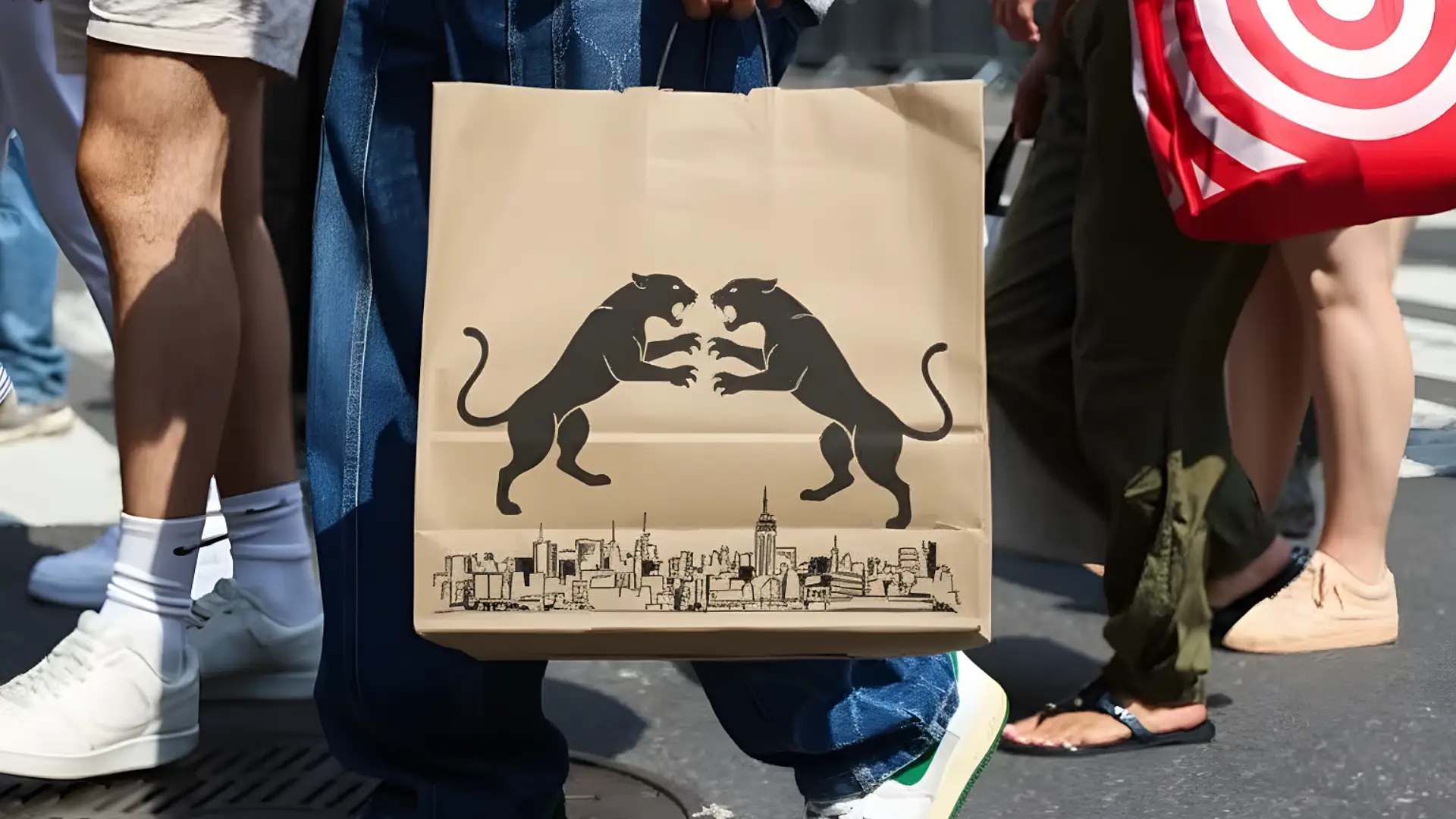
Americans are officially dating the economy behind its back—hating every awkward conversation but still footing the bill for dinner. The Commerce Department revealed Friday that consumer spending jumped 0.6% in August, outpacing economists’ wildest dreams like a caffeinated squirrel at a nut convention.
This isn’t some fluke; it’s the sequel nobody asked for. Retail sales mirrored the 0.6% spike two weeks prior, proving shoppers are treating “economic anxiety” like a mild allergy—annoying, but not enough to skip the mall.
Corporate earnings? Resilient as a rubber chicken in a pie fight, with bosses scratching their heads over why customers won’t ghost them amid the gloom.
Enter the GDP glow-up: A Thursday revision pegged second-quarter growth at the fastest clip in nearly two years, all thanks to you-know-who—consumer spending, the economy’s overachieving sidekick. Meanwhile, the Atlanta Fed’s crystal ball forecasts a sizzling 4% expansion this quarter, as if the economy’s whispering, “Haters gonna hate, but watch me hustle.”
But oh, the vibes. University of Michigan’s sentiment index cratered to 55.1 Friday—the seventh-worst mood swing since Eisenhower was buttoning his cardigan. Blame the inflation PTSD: Prices are tiptoeing up like uninvited guests at a party, hitting 2.9% annually in August, the highest since January.
Americans, per CNN polls, crown the economy as their top national headache, yet they’re rating it like a two-star Yelp review while five-starring impulse buys.
President Trump’s tariff tango isn’t helping the dance floor. Despite polls dunking on his trade polka as his weakest move, he twirled out fresh duties Thursday on drugs, furniture, trucks, and cabinets—like he’s redecorating the White House with price tags. More levies loom, and economists finger these fiscal feints for inflating costs, turning “affordable” into a punchline.
Hiring? It’s on hiatus, folks. June marked the first job loss since December 2020, like the economy’s binge-watching Netflix instead of job fairs. Black unemployment’s spiking, a red flag fluttering in the wind of potential layoffs.
And don’t get us started on the government shutdown specter—Trump’s eyeing permanent pink slips for furloughed feds, because nothing says “stability” like axing the bureaucrats who print the paychecks.
Yet here we are, economy purring like a cat on catnip. How? “Vibes,” that squishy econ buzzword making a comeback from the Biden-era “vibecession.” Back then, folks felt like the wallet fairy had ghosted them, but jobs flowed like cheap wine, and pandemic savings padded the blow. They skipped the fancy lattes but stocked the fridge—practical rebellion at its finest.
Economist Oren Klachkin nails it: Sentiment’s a sulky teenager, but hard data’s the straight-A student acing finals. Inflation’s nibbling, not chomping—2.9% versus 2022’s 9.1% monster.
Unemployment? Still low as a limbo stick. And those ultra-cheap pandemic mortgages? They’re the economic equivalent of a cozy blanket fort against price storms.
It’s a K-shaped circus, too: Wealthy wallets flap like butterfly wings, fueling the aggregate engine, while the rest clutch coupons like life rafts. Fed Chair Jerome Powell mused earlier this month that spending’s skewed upscale—”anecdotal evidence,” he said, as if economists trade gossip over espresso. But hey, it’s spending, so the GDP train chugs on, consumer-fueled at two-thirds throttle.
Recession roulette? Plenty of loaded chambers. Job gains are limping below population growth, credit card bills are ballooning like overfed goldfish, and buy-now-pay-later loans charge rates that’d make a loan shark blush. Credit scores plunged last year faster than a bad first date. Stocks? Sky-high on AI hype, but valuations scream “bubble” louder than a popped champagne cork.
Tariffs could tip the tuxedo. Wholesalers are swallowing costs like bitter pills, margins thinner than a supermodel’s patience. Citi’s Nathan Sheets figures consumers have shouldered just 30-40% of the hit so far— but when shareholders bay for profits, that tab’s heading your way, gift-wrapped in higher shelf prices.
August’s back-to-school splurge might’ve juiced the numbers, too—because who skips new sneakers when the bus honks? If sentiment keeps slumping like a deflated soufflé, next month’s receipts could read like a diet plan: lean and mean.





Leave a Reply