
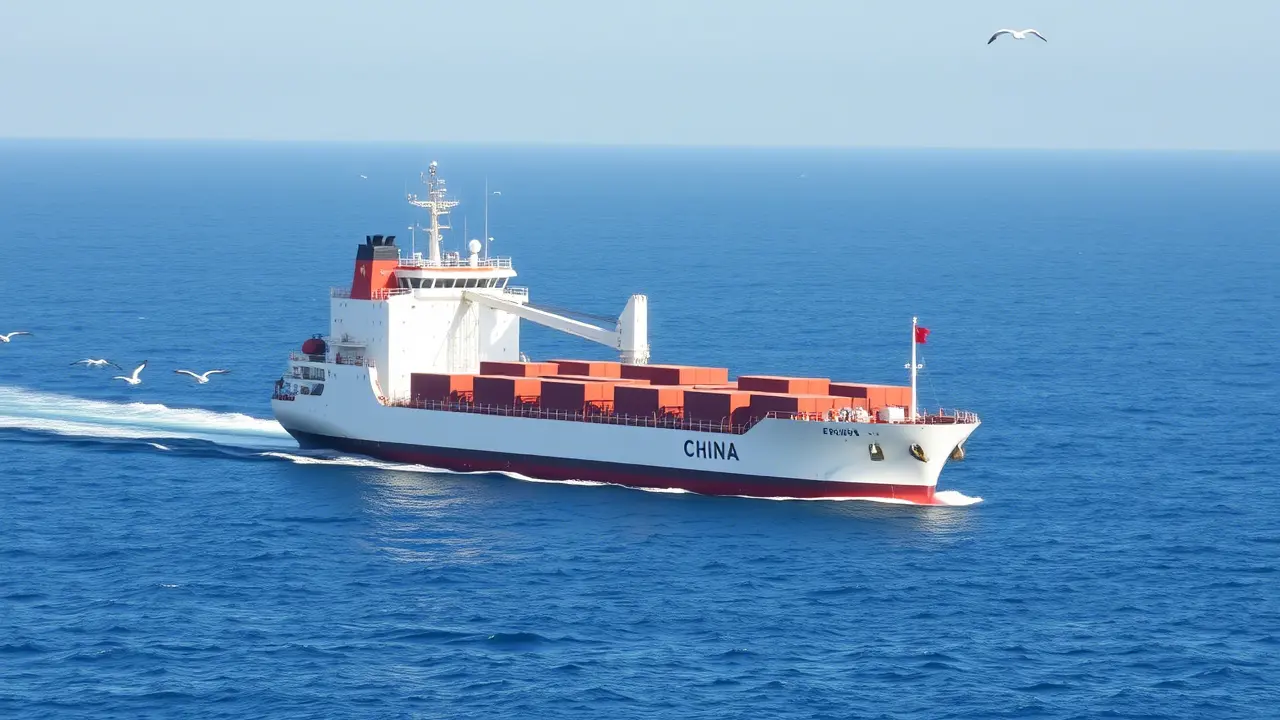
Chinese merchants are chuckling their way through Middle East tensions, undeterred by the geopolitical kerfuffle. Shipments to Dubai’s logistics hub have surged 20% this month compared to last year, as locals hoard batteries and daily essentials. Bear Huo, China general manager at FundPark, a fintech startup, estimates this boom with a grin, noting the region’s growing market allure.
“Overall, Chinese merchants are relatively optimistic,” Huo declared in Mandarin, per a CNBC translation. The Middle East’s recent rise as a hot market has businesses buzzing. Trade tensions with the U.S. have pushed Chinese firms to cozy up to the region for cash and electric car markets.
Huo predicts the Iran-Israel spat will fizzle out soon. U.S. strikes have been precise, avoiding the messy, drawn-out border battles seen elsewhere. Still, Dubai’s port, sitting across from Iran’s Strait of Hormuz, keeps everyone on their toes.
Ships are crawling, and flights are dwindling, Huo noted. He’s clueless about where Chinese goods go after hitting Dubai, thanks to U.S. sanctions keeping Iran off FundPark’s client list. Caution is the name of the game, but optimism still reigns.
China’s Foreign Ministry isn’t laughing, though, slamming U.S. attacks on Iran. They’re urging a ceasefire faster than you can say “diplomacy.” Beijing’s trade with Iran has tanked over two years, per Wind Information data, but China remains a key buyer of Iran’s sanctioned oil.
“A stable Middle East is China’s economic jackpot,” said Yue Su, a Beijing-based economist at the Economist Intelligence Unit. Beijing wants to play global peacemaker, boosting its image. Chinese firms, wary of secondary sanctions, tread lightly around Iran.
CCTV showcased Chinese citizens praising Beijing’s evacuation efforts from Iran. Unlike U.S. citizens, who face strict travel warnings, Chinese travelers enjoyed visa-free trips to Iran for three weeks. Most have now been whisked to safety, the Chinese Embassy confirmed.
If U.S. sanctions on Iran ease, Chinese businesses might swarm the country like bargain hunters at a flea market. Qin Gang, founder of Ode & Song Cultural Industry, predicts a rush to build Iran’s tourism, real estate, and infrastructure. He fondly recalls his 2013 Iran tour, courtesy of Mahan Air.
Dubai’s port, a stone’s throw from the Strait of Hormuz, remains a nerve center for Chinese goods. The 20% shipment spike shows locals stocking up like it’s a doomsday sale. Batteries and necessities are flying off the shelves, per Huo’s estimates.
Geopolitical hiccups haven’t dulled China’s shine for the Middle East. The region’s growth potential has businesses dreaming big. Trade tensions with the U.S. only sweeten the deal, pushing firms to diversify.
Beijing’s diplomatic flex in 2023, mending Saudi-Iran ties, adds to its regional clout. Chinese companies eye the Middle East for investment and markets, especially for electric cars. It’s a bold move in a tense neighborhood.
Huo’s optimism hinges on the conflict’s limited scope. Unlike sprawling wars, this one’s contained, he reckons. Still, the Strait of Hormuz looms large, a potential choke point for global trade.
China’s cautious dance with Iran reflects sanction fears. Businesses avoid direct deals, keeping their ledgers clean. Yet, the lure of a sanction-free Iran sparks dreams of a market bonanza.
Evacuations show Beijing’s got its citizens’ backs. CCTV’s Sunday interviews painted a picture of gratitude amid chaos. Visa-free travel to Iran was a perk, but safety comes first.
Qin Gang’s vision of a Chinese business invasion in Iran is bold. A relaxed sanctions regime could unleash a flood of investment. Tourism and real estate might get a Chinese makeover.
The Middle East’s allure isn’t just about oil or geopolitics. It’s a fast-growing market, hungry for Chinese goods. Dubai’s logistics hub is the gateway, humming with activity.
Despite the tensions, Chinese merchants keep their eyes on the prize. The 20% shipment jump to Dubai proves their resilience. They’re betting on stability and growth, not conflict.
Beijing’s call for a ceasefire echoes its broader goals. A peaceful Middle East means better trade routes and oil flow. China’s playing the long game, balancing caution with ambition.
Huo’s take sums it up: the conflict’s a blip, not a dealbreaker. Chinese businesses are ready to ride out the storm. Dubai’s port, buzzing with goods, is their launchpad.
In this high-stakes game, China’s merchants are the cool-headed players. They’re shipping, investing, and dreaming big, tensions be darned. The Middle East’s potential keeps their spirits high.
As the Strait of Hormuz looms, China’s focus stays sharp. Businesses dodge sanctions but crave opportunity. A stable region could turn their optimism into a gold rush.


Leave a Reply