
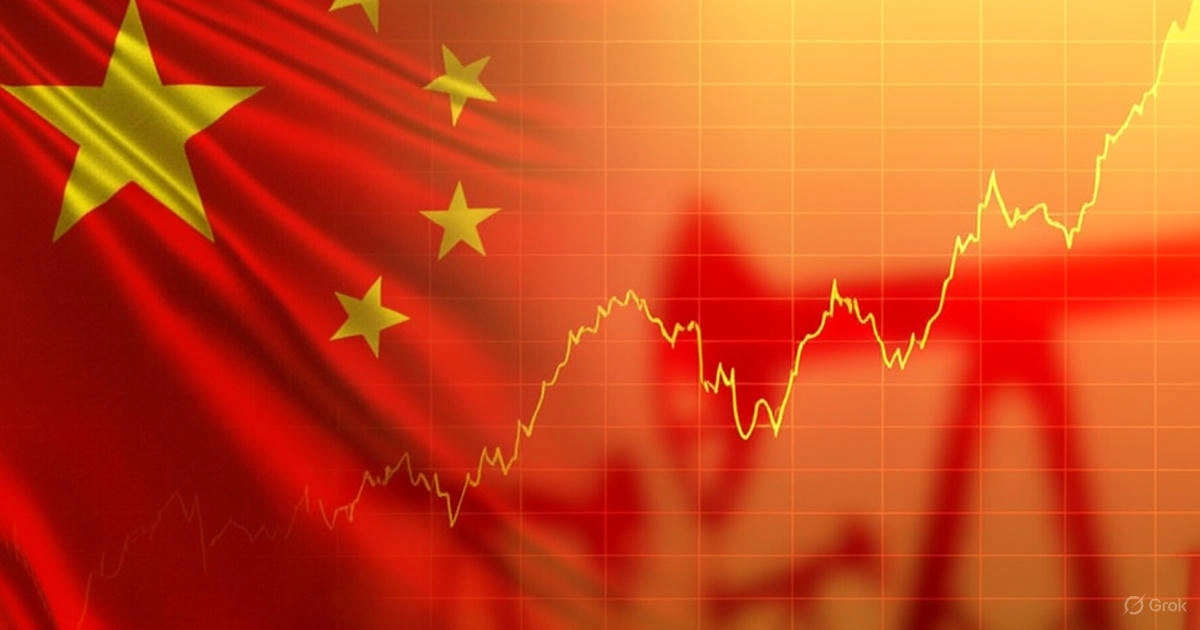
China’s economy is throwing a deflationary fiesta, and nobody’s grabbing the candy. The producer price index (PPI) took a nosedive, plummeting 3.3% in May compared to last year, the steepest drop in 22 months. This beats April’s 2.7% tumble and even outdid the Reuters poll’s guess of a 3.2% dip.
Consumer prices are joining the party, sliding 0.1% year-on-year in May, matching April’s decline but dodging a predicted 0.2% fall. Month-to-month, the consumer price index (CPI) slipped 0.2%, a sour note after April’s 0.1% uptick. Core inflation, the one that ignores food and fuel’s wild swings, crept up to 0.6% from 0.5%, but it’s hardly a cause for fireworks.
Zhiwei Zhang, chief economist at Pinpoint Asset Management, isn’t popping champagne. “China continues to face persistent deflationary pressure,” he said, probably while frowning at his spreadsheets. The data screams that prices are dropping faster than a bad comedian’s punchlines.
The auto sector’s price war is revving up the deflation engine. Carmakers are slashing prices like they’re in a clearance sale, desperate to move metal amid fierce competition. Authorities are begging them to pump the brakes on these discounts, fearing it’s turning showrooms into bargain bins.
Then there’s the housing market, which is less “dream home” and more “nightmare on sale.” Property prices, after a brief moment of stability, are back to sliding down the charts. This slump is making folks clutch their wallets tighter than a toddler with a new toy.
Trade tensions with the U.S. are tossing extra confetti on this gloomy bash. U.S. tariffs are hitting China’s factories hard, slowing production and making exporters sweat. The suspense over U.S.-China trade talks, set to resume in London on Monday, has everyone biting their nails.
Last Thursday, U.S. President Donald Trump and Chinese leader Xi Jinping had a phone chat about trade and critical minerals. They didn’t solve world peace, leaving the juicy bits for the London meeting. Fingers crossed they don’t just argue over who gets the better tea.
China’s retail sales are growing slower than a snail on vacation. Job insecurity and stagnant home prices are keeping shoppers’ hands in their pockets. Despite Beijing’s flurry of stimulus measures, folks aren’t rushing to splurge.
Factories are cooling off faster than a forgotten cup of coffee. The tariff war is dimming China’s manufacturing shine, even as the service sector tries to pick up the slack. It’s like the economy’s trying to dance with two left feet.
Beijing’s been throwing stimulus like it’s handing out free samples at a grocery store. Interest rate cuts and liquidity injections are on the menu, but they’re not sparking the demand party planners hoped for. The economy’s still stuck in the slow lane.
The National Bureau of Statistics is serving up these grim numbers, and they’re not sugarcoating it. Deflation’s grip is tighter than a cheap pair of jeans, and it’s squeezing both businesses and consumers. Nobody’s feeling like a winner in this economic game show.
China’s auto industry is in a discount duel, with companies slashing prices to lure buyers. This price war is great for bargain hunters but terrible for profits. The government’s waving a red flag, hoping to stop the madness before it tanks the industry.
Housing woes are adding to the deflationary drama. With prices dropping, developers are sweating, and buyers are playing hard to get. It’s a market where “sold” signs are rarer than a sunny day in a monsoon.
Trade talks are the wild card in this economic poker game. If the U.S. and China can’t find common ground, tariffs could keep hammering China’s exports. That’s bad news for a country already wrestling with overcapacity.
Retail’s sluggish pace is no surprise when job security’s shakier than a Jenga tower. People are saving, not spending, and new home prices are flatter than a pancake. It’s a tough time to be a mall Santa.
Core inflation’s tiny uptick is the only bright spot, but it’s like finding a single decent song on a bad album. Excluding food and fuel, prices are creeping up, but not enough to change the tune. China’s economy needs more than a minor chord to get back in rhythm.
Beijing’s stimulus efforts are like throwing water on a grease fire—well-intentioned but not quite working. Policymakers are scrambling, but the deflation dragon isn’t backing down. More fiscal tricks might be needed to slay it.
The trade war’s shadow looms large, with U.S. tariffs acting like a grumpy bouncer at China’s export party. Factories are struggling to keep the lights on as global demand wanes. It’s a tough gig for the world’s manufacturing hub.
Monday’s trade talks in London could be a game-changer, or just another round of diplomatic hot potato. Everyone’s hoping for a deal that eases tensions and boosts confidence. Until then, China’s economy is stuck in this deflationary disco, and nobody’s dancing.



Leave a Reply