
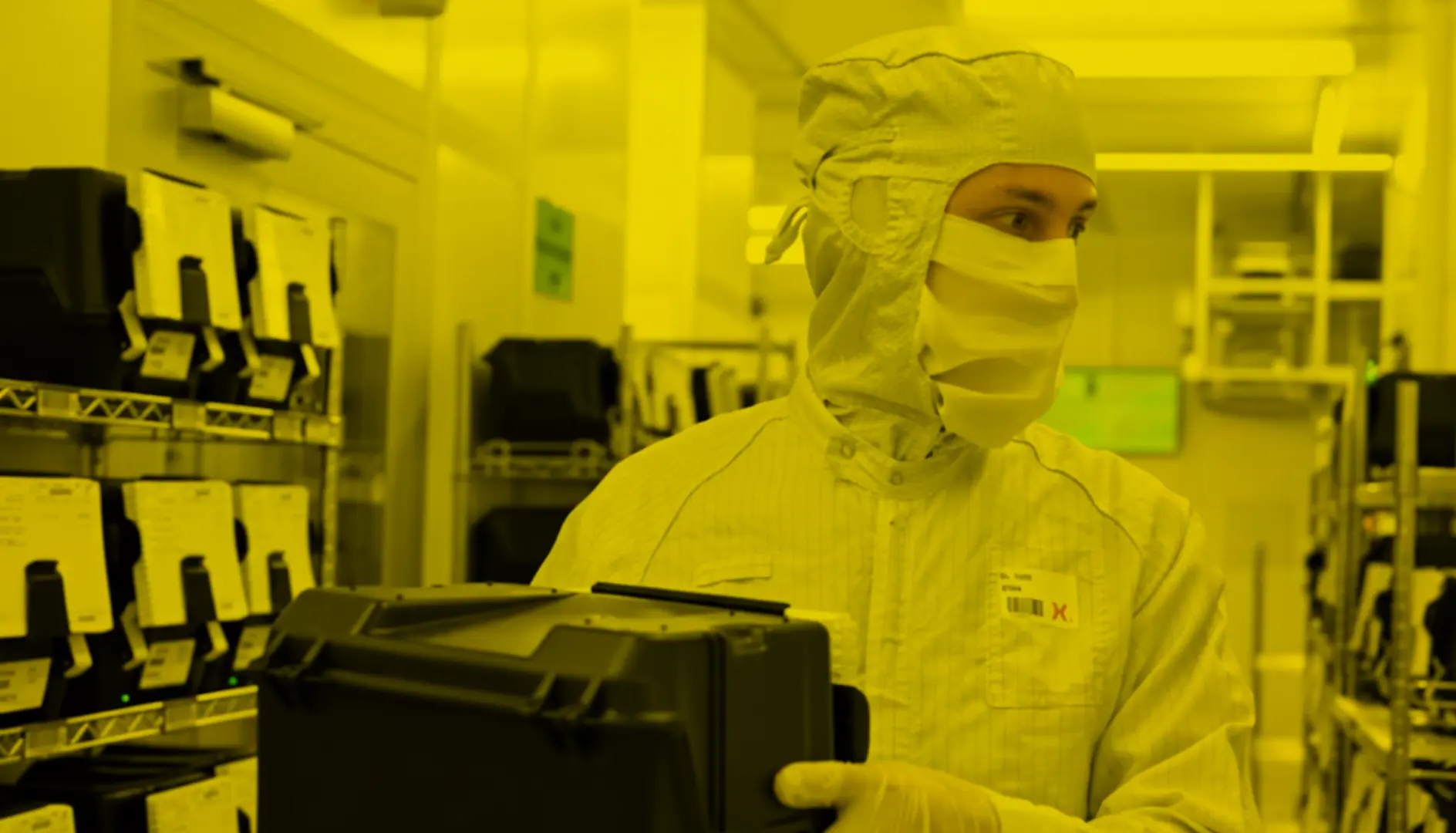
China has cracked open the gates for select Nexperia chips to escape its borders, just as global carmakers teeter on the brink of turning assembly lines into elaborate parking lots.
The move comes none too soon, with shortages so severe that Hondas in North America are reportedly practicing their best “out of gas” excuses.
Details emerged Saturday from China’s commerce ministry, which extended an olive branch—or perhaps a USB stick—to beleaguered firms. Companies reeling from the chip drought can now plead their case for export exemptions, with officials vowing to weigh “actual circumstances” like a judge at a particularly nerdy bake-off.
Eighty percent of Nexperia’s finished products get their final polish in southern China, making Beijing’s earlier shipment stranglehold feel like a bad breakup over intellectual property. But hey, in the world of geopolitics, nothing says “let’s not end this” quite like sparing the airbags.
This softening stance follows a dramatic one-year trade war ceasefire inked by U.S. President Donald Trump and Chinese leader Xi Jinping at a South Korea summit. Picture world leaders swapping business cards instead of tariffs—Trump grinning over a rare earth exemption, Xi nodding at paused tech bans on Chinese subsidiaries.
It’s the kind of detente that makes you wonder if the next G20 will feature karaoke duets on supply chain harmony.
The backstory reads like a corporate soap opera: Nexperia, the Dutch chip darling sold to a Chinese consortium in 2017 and later snapped up by Wingtech, found itself blacklisted by the U.S. last year over governance red flags. Enter Wingtech’s controlling shareholder Zhang Xuezheng, who apparently decided to moonlight as a rogue factory builder in Shanghai—without telling the bosses.
Documents reveal Zhang strong-armed Nexperia into mega-orders from his pet project, chips the company swore it didn’t need any more than a third cup of coffee at 3 a.m. The Dutch government, smelling something fishier than a harbor in Amsterdam, seized control last month, citing “serious governance shortcomings” that split the firm’s Dutch brain from its Chinese brawn.
Zhang got the boot from his Nexperia CEO perch faster than a faulty circuit blows. Wingtech, not one to mince megabytes, fired back last week, calling the Dutch move a sneaky ploy to hand the company to local suitors—like a bad blind date arranged by bureaucrats.
Nexperia’s wafers start life in tidy German and UK fabs before jetting to China for packaging, only to hit a wall that left automakers idling. Honda slashed North American output, Volkswagen issued a “chips gone by week’s end” alert that sounded more like a grocery run panic, and Ford CEO Jim Farley took to the airwaves, urging Uncle Sam to broker peace before Detroit turns into a ghost town of half-built F-150s.
Farley’s plea? A masterclass in executive understatement: the U.S. is “trying to resolve the dispute,” as if it’s just a neighborly fence squabble over who owns the semiconductors.
European Commission suits in Brussels high-fived Chinese counterparts Friday over export controls, hailing the rare earth suspension as “appropriate and responsible.” Because nothing screams maturity like grown nations agreeing not to hoard the planet’s sparkly dirt.
The Chinese ministry blamed the Dutch for “inappropriate interference” that’s turned global supply chains into a game of hot potato with high-stakes horsepower. Wingtech stayed mum on comment requests, perhaps too busy plotting its next fab heist.
Yet amid the finger-pointing, a silver lining glimmers: this spat’s de-escalation could rev up production from airbags to taillights, sparing drivers the indignity of push-starting their EVs with sheer willpower. For now, the auto world exhales, wondering if the next crisis will involve self-driving cars unionizing against their own glitches.
As exemptions roll out, one can’t help but chuckle at the irony of a Shanghai side-hustle nearly grinding the globe to a halt—proof that in tech, the real blacklists are the ones we write in our unchecked ambitions. Buckle up; the road ahead looks a tad less glitchy.





Leave a Reply