
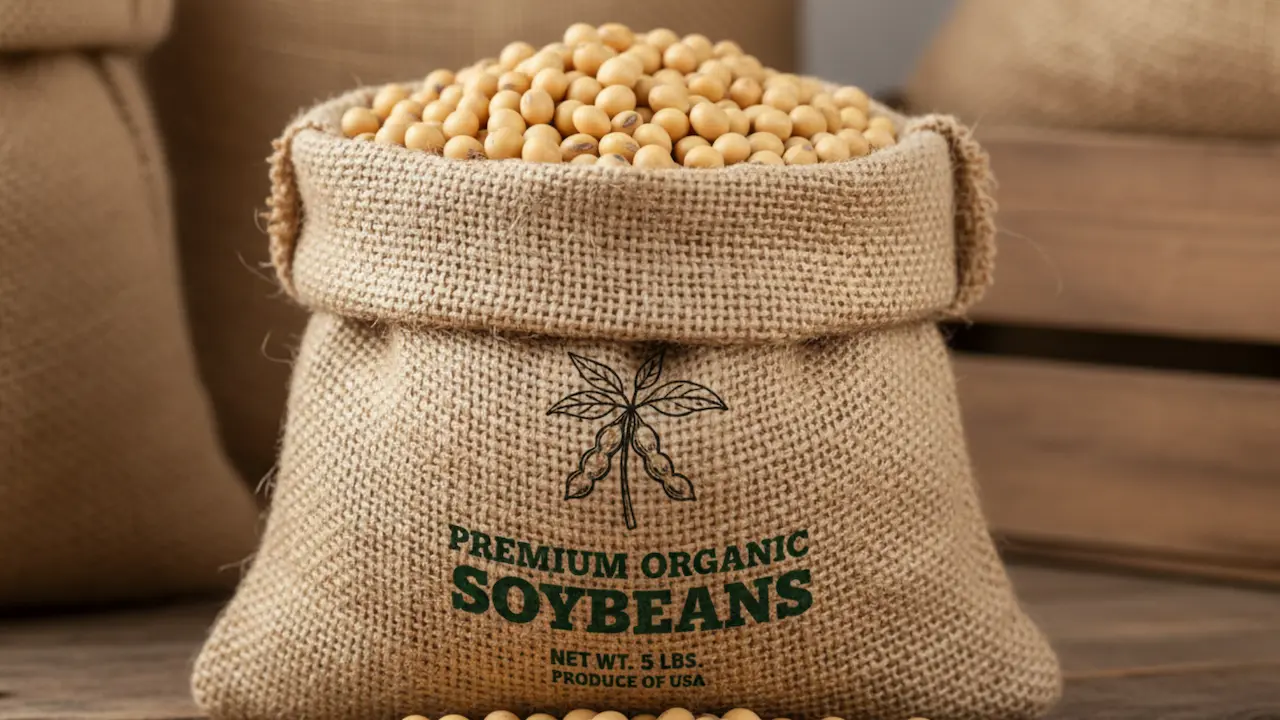
The much-hyped U.S.-China trade thaw has left American soybean farmers staring at their fields like kids who just discovered Santa’s workshop is outsourced to Brazil.
The Agriculture Department’s latest report reveals a soybean shopping spree from Beijing that’s more like a polite window-shopping trip, totaling a measly 332,000 metric tons since the Trump-Xi powwow in South Korea.
This paltry haul is a far cry from the 12 million metric tons Agriculture Secretary Brooke Rollins crowed about for January alone, not to mention the 25 million annual bonanza promised for the next three years.
Farmers, who had visions of bumper checks dancing in their heads, are now left wondering if “expanding trade” means China is just borrowing their beans for a quick photo op.
CoBank economist Tanner Ehmke delivered the gut punch: China’s stockpiles from Brazil are so overflowing, U.S. beans might as well come with a “premium import tax” sticker that screams “overpriced souvenir.” “We’re not even close to the advertised agreement,” Ehmke quipped, sounding like a salesman returning unsold vacuum cleaners to the factory.
Beijing has confirmed only a “consensus” on farm trade – which, in translation, apparently means “we’ll think about it while munching on those cheaper South American snacks.” Even if a deal materializes, Ehmke notes, China might haggle until U.S. prices drop lower than a farmer’s morale after a rainy harvest.
President Trump, undeterred, flashed his trademark optimism to reporters, claiming fresh chats with Chinese officials guarantee “not only a little bit but a lot” of soybean buys incoming. Details? As scarce as those purchases themselves, leaving White House watchers to speculate if “a lot” means enough for a single tofu factory or a nationwide stir-fry festival.
The sting lingers in the tariffs: China’s levy on U.S. beans hovers at a wallet-busting 24%, down a token 10 points post-summit, ensuring Brazilian beans remain the budget-friendly bargain basement option. It’s like inviting your rival to a feast and charging them extra for the napkins.
Soybean prices plunged 23 cents to $11.24 per bushel Friday, a nosedive Ehmke attributes to the market’s collective gasp at the USDA’s reality check. Sure, that’s up from the pre-deal $10.60 dip, but without a Chinese cash infusion, analysts predict further slides steeper than a buttered hillside.
This isn’t farmers’ first rodeo with dashed trade dreams; recall the 2020 pact that promised crop riches, only for COVID to crash the party like an uninvited guest with a cough. Exports peaked in 2022 before tumbling, proving that global deals are as reliable as weather apps during hurricane season.
Yet, silver linings persist: this year’s slimmer U.S. crop and biodiesel boom have propped prices above last year’s levels, even sans China’s usual quarter-share feast. It’s a small mercy, like finding an extra fry at the bottom of the bag amid a diet gone wrong.
But mercy has limits when fertilizer, seeds, equipment, and labor costs are skyrocketing faster than a SpaceX launch. Caleb Ragland, Kentucky soybean kingpin and American Soybean Association president, frets that without Beijing’s buy-in or a government bailout, thousands of farms could fold quicker than a bad poker hand.
Ragland clings to hope like a barnacle on a ship, insisting China’s follow-through is just fashionably late. “It’s going to be a wonderful day when those beans ship and the checks clear,” he said, his voice a mix of farmer grit and lottery-ticket optimism – because in agribusiness, every delayed dollar feels like a cliffhanger episode.
China, devouring over half the world’s soybeans and $12.5 billion of last year’s U.S. exports, ditched American beans this year post-tariffs, pivoting to South America where Brazilian imports claimed 70% of the pie. U.S. share? A crumbly 21%, per World Bank tallies, turning the trade war into a global game of musical exports – and America just lost the chair.
Vendors are jacking prices for next year’s inputs, Ragland reports, squeezing profits like a juicer on overdrive. Farmers aren’t just planting seeds; they’re sowing prayers for a deal that delivers more than press releases and presidential promises.
As the shutdown dust settles, whispers of aid packages swirl – echoes of Trump’s earlier lifeline, now as uncertain as a weathervan’s spin in a storm. Will Washington step up, or will soybeans become the punchline in this endless trade tango? Stay tuned; in farm news, the only sure harvest is more waiting.




Leave a Reply