
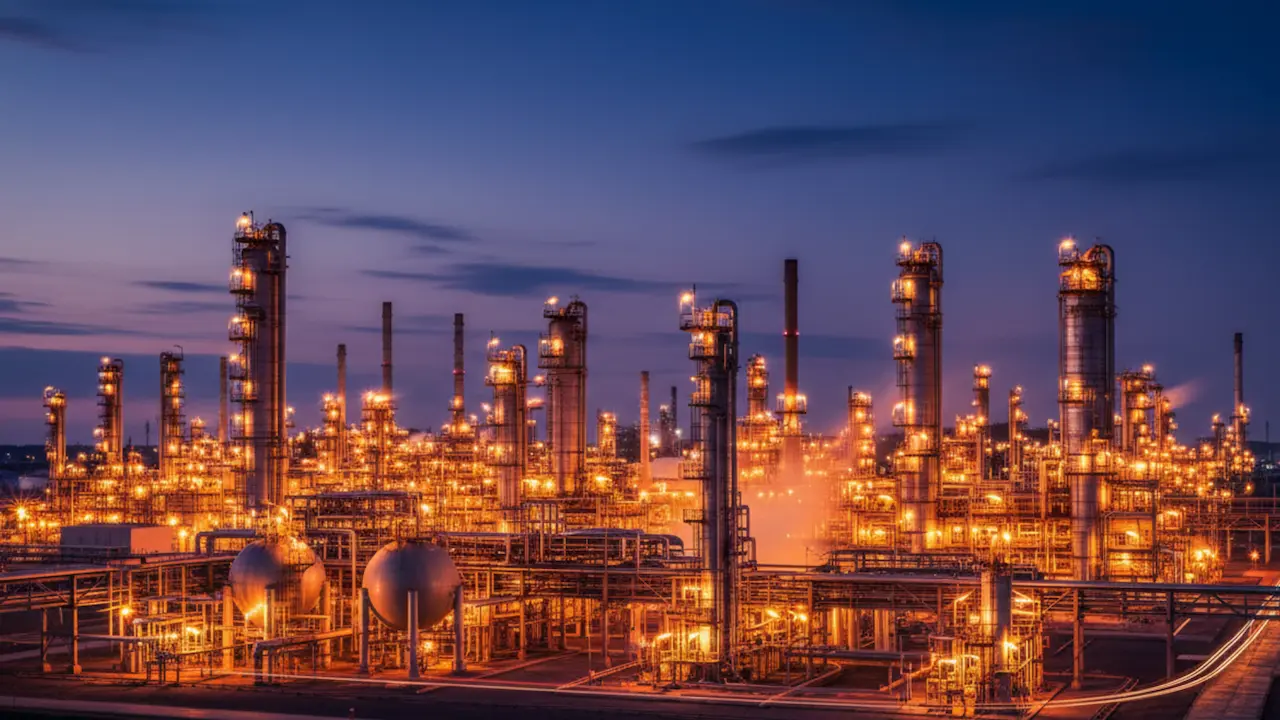
Los Angeles – As one major refinery winds down operations this month and another prepares to follow in April, California faces tighter gasoline supplies that could push already lofty pump prices even higher.
Drivers in the Golden State, long accustomed to leading the nation in fuel costs, may soon see sustained increases amid a shrinking domestic refining landscape.
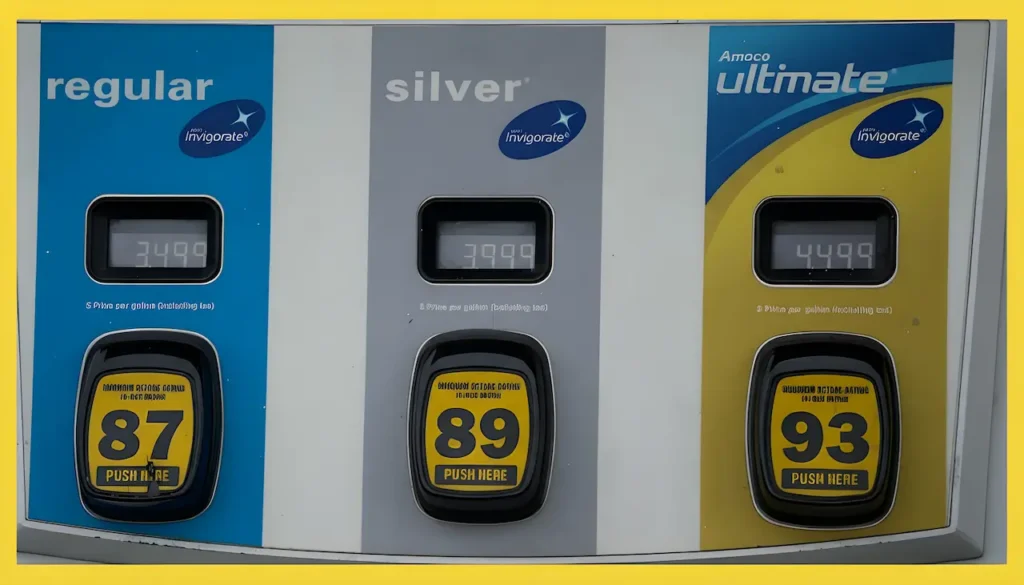
The impact could sting wallets across the state. Experts predict prices, currently averaging around $4.31 per gallon, might rise by 50 cents or more as the market adjusts to importing roughly 17% more of its gasoline.
While the rest of the country enjoys falling averages toward $2.75, California’s unique blend and high taxes keep it in a league of its own – second only to Hawaii.
Oil analyst Andy Lipow notes the loss will force month-after-month imports, sustaining higher costs. Tom Kloza adds that with fewer refineries left, any unplanned outage could send prices rocketing to $5 or $6.
Yet state officials remain calm, pointing to global sources meeting California’s clean fuel standards and a Martinez refinery restarting early next year.
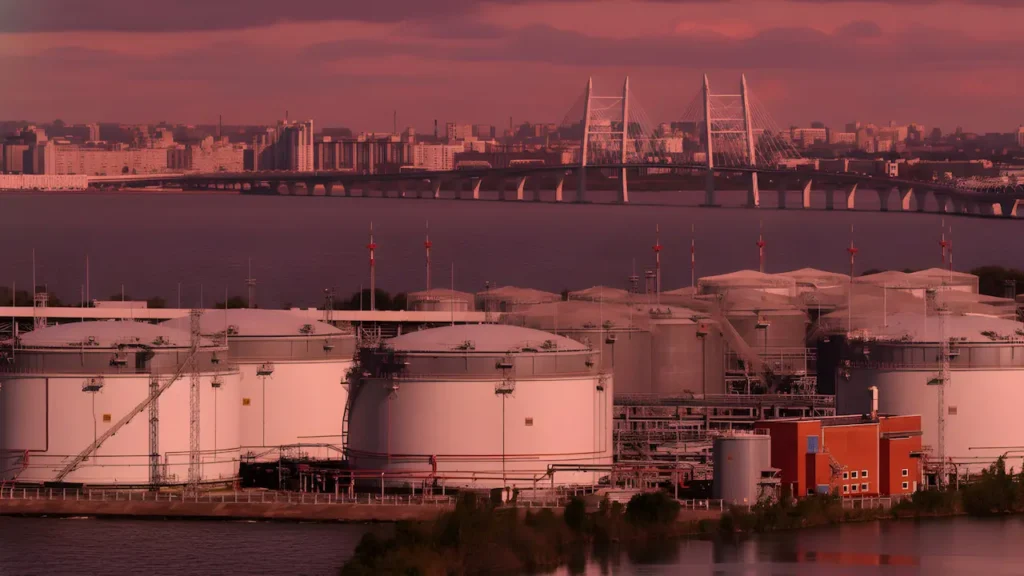
Phillips 66 is ceasing operations at its Los Angeles-area facility by year’s end.
The company calls it a “challenged asset,” citing operating costs in the regulatory environment.
Workers there, numbering hundreds, face transitions as units idle in phases.
Meanwhile, Valero plans to halt refining at its Bay Area site in April 2026.
The decision stems from regulatory pressures and uncertainties.
Both facilities together account for about 17% of the state’s gasoline production.
California’s refineries have dwindled over years, leaving just a handful to produce the special low-carbon blend required here.
The state’s nearly 71-cent gas tax – double the national average – plus a carbon fee of 20-25 cents per gallon, already pads prices.
Kloza observes California takes carbon suppression seriously, unlike much of the nation.
Demand for oil is expected to decline as electric vehicles grow.
But for now, imports from Asia and beyond will fill gaps.
Officials insist market shifts and cleaner global production will prevent shortages.
One past fire at Martinez kept it offline longer than expected.
With more refineries, such events were manageable.
Now, with six or fewer, the buffer shrinks.
Analysts agree the national trend is downward for prices in 2026.
For California, bets are off on cheaper gas.
Companies promise to meet demand through other channels.
Drivers, though, might find filling up feels a bit more like a luxury.
The shift underscores California’s push toward alternatives.
Yet gasoline remains king on the roads today.
As closures loom, the pump becomes a reminder of changing times.



Leave a Reply