
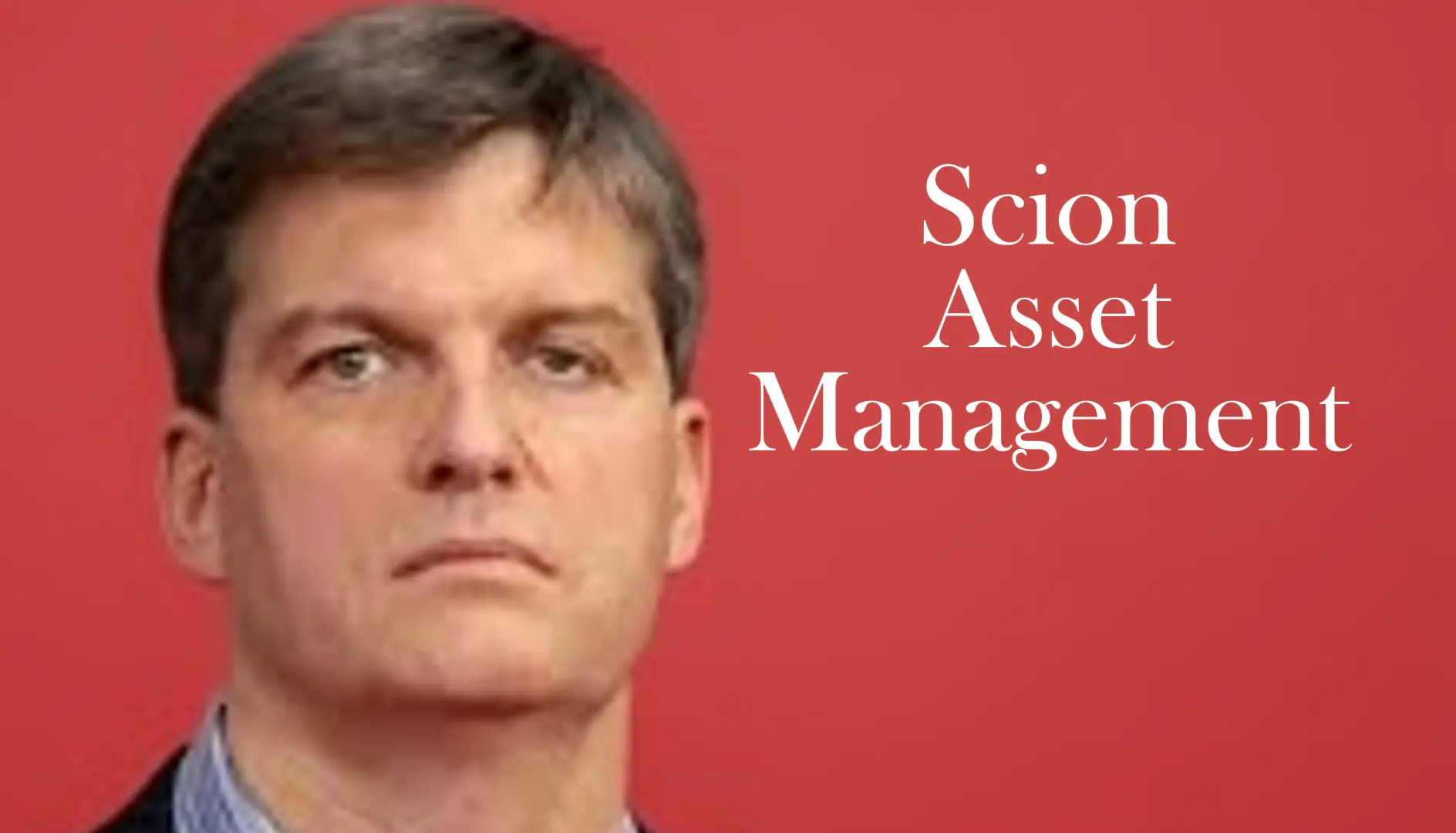
Michael Burry’s Scion Asset Management quietly terminated its SEC registration on November 10, leaving investors to ponder if the housing crash oracle is finally cashing out for a quiet life—or plotting the next financial apocalypse from a bunker.
The filing, tucked away on the SEC’s website like a forgotten Post-it note, signals the end of mandatory oversight for funds managing over $100 million in assets.
Burry couldn’t resist a social media flourish: a screenshot of the termination paired with the cryptic tease, “on to much better things Nov 25th.” One can only imagine if “better things” means artisanal cheese-making or decoding ancient Mayan stock charts.
Details emerged faster than a flash crash. Scion, once a beacon for contrarian bets, no longer needs to bare its portfolio soul to regulators. Burry’s fame, cemented by his prescient 2008 wager against the U.S. housing bubble—immortalized in “The Big Short”—now feels like a distant echo as he sidesteps the paperwork parade.
Last month, Burry dusted off his movie-poster alter ego to post a somber warning: “sometimes, we see bubbles.” It was the kind of line that makes quants spill their coffee and retail investors double-check their Robinhood apps, wondering if their Nvidia shares were about to pop like overripe tomatoes.
In a third-quarter filing that read like a hit list, Scion disclosed gloomy gambles on Nvidia Corp. and Palantir Technologies Inc. Burry didn’t just whisper doubts; he shelled out $9.2 million on options to offload Palantir shares at a lofty $50 strike in 2027, as if politely declining a dinner invitation from overvalued tech darlings.
Picture the scene—no, wait, just absorb the audacity. Earlier this year, in the first quarter, Scion liquidated nearly its entire equity empire, swapping stocks for put options on Nvidia and a smattering of U.S.-listed Chinese tech behemoths. It was less a portfolio pivot and more a dramatic wardrobe change, from bullish blazer to bearish trench coat.
The plot thickened with visual flair. Burry’s social feed lit up earlier this month with a Bloomberg News graphic spotlighting “circular financing” worries around Nvidia and peers—think companies lending to their own suppliers in a loop that could unravel faster than a cheap sweater. Posting it felt like a gentle nudge: “Hey, markets, remember me? The guy who called the last party a dud?”
Curiosity peaked as Scion stonewalled comment requests, leaving reporters to chase shadows. MarketWatch broke the filing news first, but Burry’s Nov. 25 hint dangles like a carrot on a stick—could it herald a new venture, a memoir sequel, or simply the launch of “Burry’s Bubble-Busting Bed & Breakfast”?
The silence amplifies the suspense, turning a routine deregistration into a riddle wrapped in an enigma, served with a side of schadenfreude for frothy valuations.
Yet amid the exodus, ironic echoes abound. The man who thrived on seeing what others missed now renders his moves opaque, freeing him to hunt bubbles without the bureaucratic binoculars. Investors, meanwhile, clutch their diversified dreams a tad tighter, half-expecting Burry’s next post to feature a crystal ball etched with “Told You So.”
As markets meander toward year-end highs, Burry’s departure underscores a timeless trader’s truth: sometimes, the boldest bet is betting on yourself. Whether Scion shrinks below the $100 million threshold or Burry’s eyeing pastures anew, one thing’s clear— the oracle’s off-script, and Wall Street’s script just got a lot more unpredictable.






Leave a Reply