
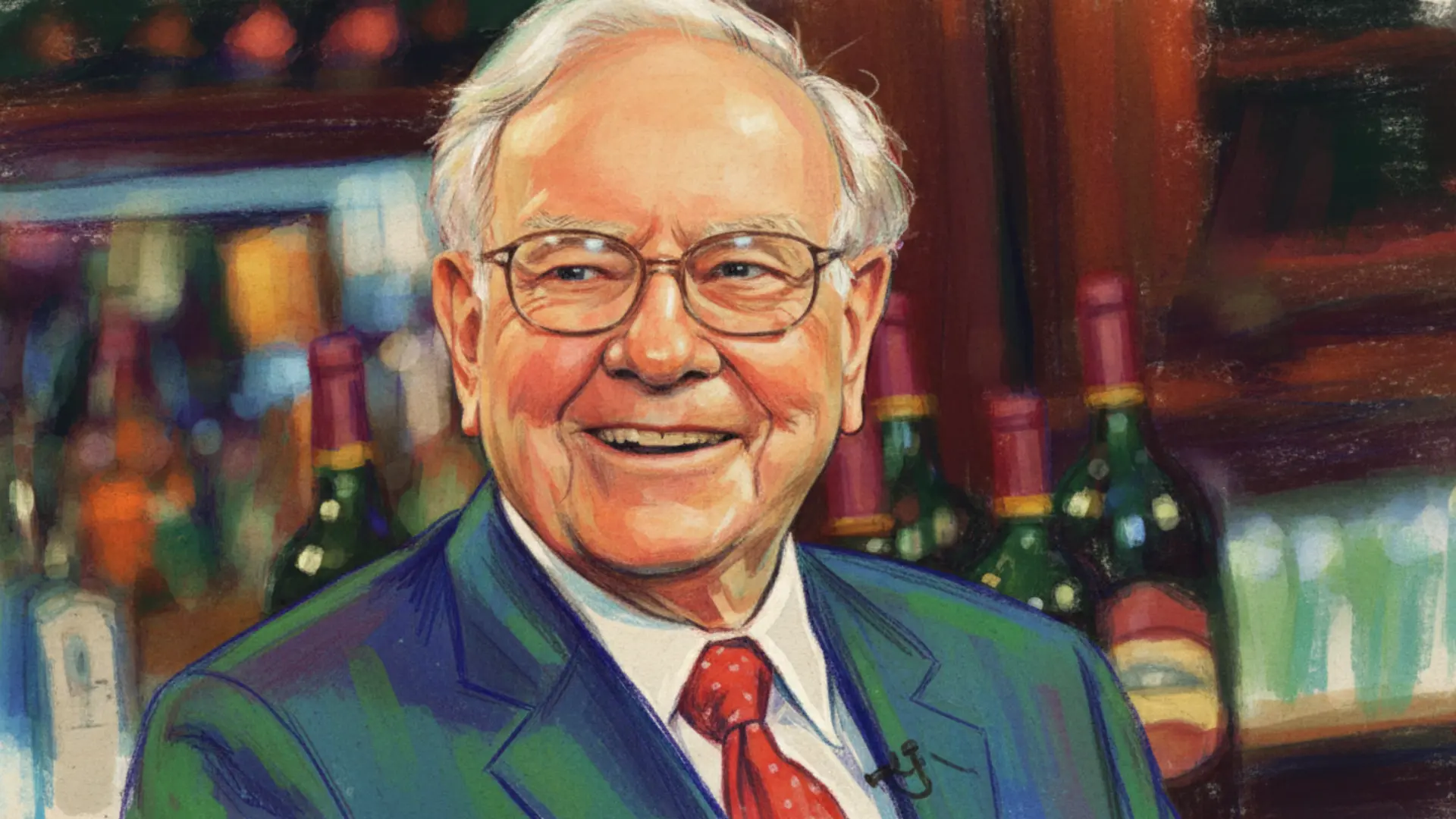
On this New Year’s Eve, the legendary Warren Buffett, at 95, officially steps down as CEO of Berkshire Hathaway, handing the reins to longtime protégé Greg Abel starting tomorrow.
After six decades turning a fading textile mill into a trillion-dollar empire, the Oracle of Omaha is retiring—though sources say he’ll still shuffle into the office daily, proving some habits die harder than market bubbles.
Business leaders across the globe are toasting Buffett’s legacy with a mix of gratitude and mild panic, wondering if anyone can match his knack for turning cash piles into compounding miracles. Shareholders, meanwhile, face a future where annual letters might lack those punchy one-liners, potentially making investor meetings feel a tad less like stand-up comedy.
Greg Abel steps into shoes that could fit a circus tent, tasked with managing a conglomerate that owns everything from insurance giants to ice cream chains—without the folksy quips to smooth over rough quarters.
Warren Buffett’s departure marks the end of an era where plain English ruled supreme in a world drowning in jargon. CEOs told reporters they cherished his shareholder letters, those annual treats blending dry wit with wisdom sharper than a value investor’s spreadsheet.
One favorite: “It’s only when the tide goes out that you learn who’s been swimming naked.” A gentle reminder that market dips expose the overleveraged, much like low tide reveals forgotten beach toys.
Another gem: “Predicting rain doesn’t count; building arks does.” Buffett preferred action over forecasts, hoarding cash until opportunities flooded in.
He sat on massive reserves, waiting patiently while others chased hot stocks. His mantra? “Our favorite holding period is forever.” Anthony Scaramucci once wrote Buffett about buying shares for his toddler, expecting a century-long hold.
Buffett replied swiftly, suggesting even 82 years smacked of short-term thinking—aim for a hundred.
Patience defined him. Yet beneath the avuncular charm lay steel. Buffett built billions, but demanded integrity above all. “Lose money for the firm and I will be understanding,” he testified once. “Lose a shred of reputation, and I will be ruthless.”
A shark in ethical waters. Kayak CEO Steve Hafner praised Buffett and the late Charlie Munger for stripping complex ideas to basics, making tough concepts accessible without the fluff.
Their letters became must-reads, entertaining as much as educating. Buffett lived modestly for a billionaire—same house, Cherry Coke habit, Dairy Queen indulgence—yet co-founded the Giving Pledge, urging the ultra-rich to donate most fortunes.
“A vast collection of possessions ends up possessing its owner,” he wrote. Real Capital Solutions CEO Marcel Arsenault signed on, inspired to prioritize impact over accumulation. Buffett’s choices shaped lives beyond balance sheets.
Eli Lilly’s David Ricks called him Mount Rushmore material among business icons. Hightower’s Larry Restieri learned excellence as disciplined patience. As Abel assumes control, he inherits a culture of autonomy, long horizons, and unflinching honesty.
Buffett plans to linger as chairman, offering advice like an elder statesman who refuses the rocking chair. The transition, telegraphed for years, feels seamless—yet uniquely irreplaceable.
One can’t help noting the quiet humor in a man worth around $150 billion stepping aside while vowing daily office visits. Retirement, Buffett style: less a exit, more a slight pivot.







Leave a Reply