
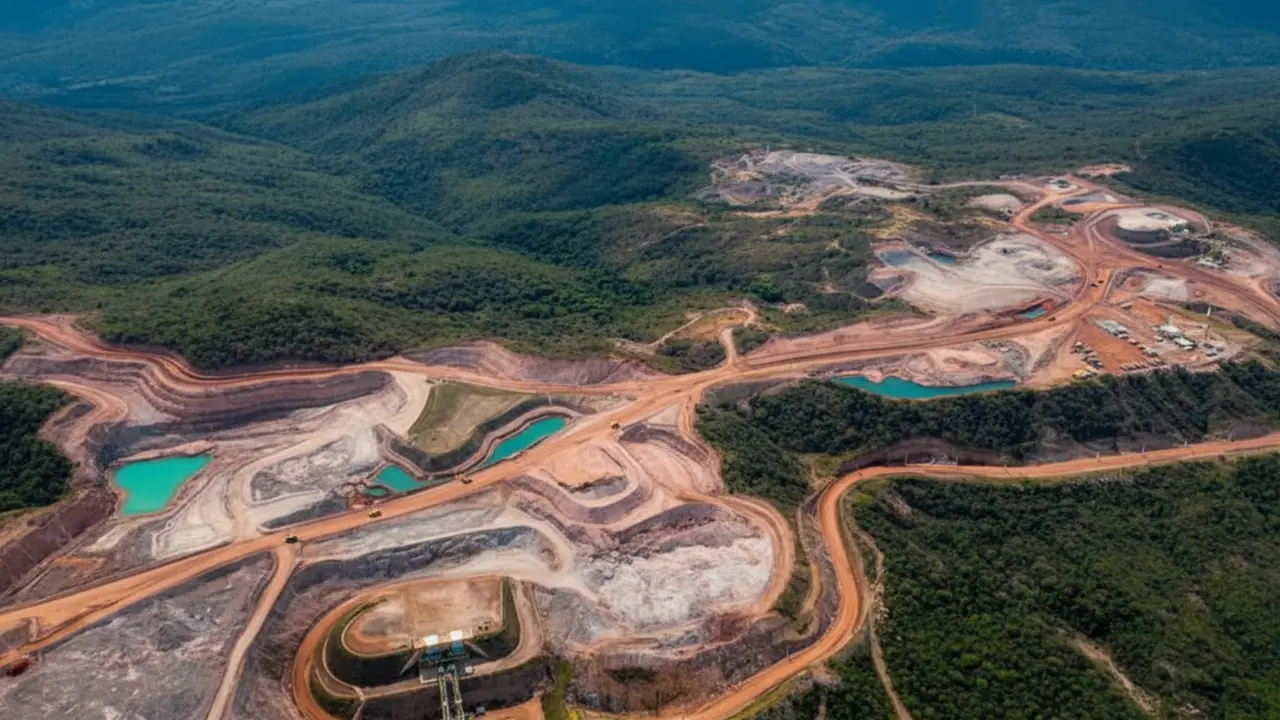
Australian-listed Brazilian Rare Earths Limited (ASX: BRE) is positioning itself as the unlikely hero in the great rare earth decoupling saga, promising production from its vast Brazilian deposits by 2028 amid accusations that China is once again playing hardball with global supplies.
The surprise announcement comes as Western nations wake up to the uncomfortable reality that the 17 obscure elements powering everything from fighter jets to wind turbines have been largely controlled by one supplier – a supplier now accused of flooding markets to kneecap competitors while hoarding the good stuff for its own finished products.
The impact could be electric, quite literally. Demand for rare earth magnets is projected to surge fivefold in the United States by 2035, fueled by EVs, robotics, drones, and the occasional humanoid butler.
Without alternatives, automakers and defense contractors risk watching their supply chains grind to a halt faster than a Tesla on low battery mode.
Meanwhile, China’s alleged market maneuvers have sent rival projects scrambling, turning what was once a sleepy mining niche into a high-stakes geopolitical chess game where the pawns are worth thousands per kilo.
Brazilian Rare Earths, or BRE as it’s known to its growing fanbase of investors, has acquired expansive land in northeast Brazil’s Rocha da Rocha province. The company boasts a “globally significant” deposit brimming with both light and heavy rare earths.
Heavy ones like dysprosium and terbium are the real prizes. These power permanent magnets in electric motors and wind turbines.
China dominates here even more fiercely than in the lighter varieties. BRE claims one of the highest heavy-to-light ratios outside China – often 20 or 30 to one in top projects.
That high grade means less dirt to move for more metal. Mining becomes cheaper and far kinder to the environment.
No massive craters required. Just polite excavation with impressive yields.
CEO Bernardo da Veiga didn’t mince words in a recent interview. “China doesn’t want to sell you rare earths,” he said. “They want to sell you cars.”
Beijing prefers exporting high-margin EVs rather than raw materials. This leaves competitors scrambling for magnets.
Enter Western-friendly deposits. BRE aims for operations by 2028 and full processing by 2030.
That’s lightning speed in mining terms. Jefferies analysts note it typically takes 10 to 15 years to reach viability.
BRE isn’t alone in Brazil. The US government has backed the Serra Verde project elsewhere in the country.
Across the globe, firms in Australia and the US announce fundraises. Some even secure government equity stakes, like MP Materials.
What sets BRE apart? Purity levels that make rivals blush.
Da Veiga explained that total grade summaries can mislead. They lump priceless elements with near-worthless ones.
His deposits shine when broken down element by element. Valuable heavies dominate the mix.
Investors agree. BRE’s stock has rocketed over 80% this year on a promise of future shovels in the ground.
Progress continues apace. Recent partnerships include a 10-year offtake deal with French firm Carester for technical know-how and guaranteed buyers.
A hefty A$120 million raise in October bolstered the war chest. More deals with Brazilian institutions advance pilot plants.
Headwinds lurk, of course. Permitting delays could slow the samba.
Or China might flood markets again. Accusations of exactly that are flying as of late 2025.
Da Veiga remains unfazed. Brazilian sites avoid sensitive areas.
Carester gets consulting fees but craves the output. They plan to refine BRE’s materials further.
It’s a match made in mineral heaven. French expertise meets Brazilian bounty.
For now, BRE investors bet big on a company yet to produce a single kilo. In the rare earth world, hope springs eternal – and occasionally pays off handsomely.
As global demand revs up, Brazil’s underground treasures might just keep the West’s engines humming without begging Beijing for scraps.


Leave a Reply