
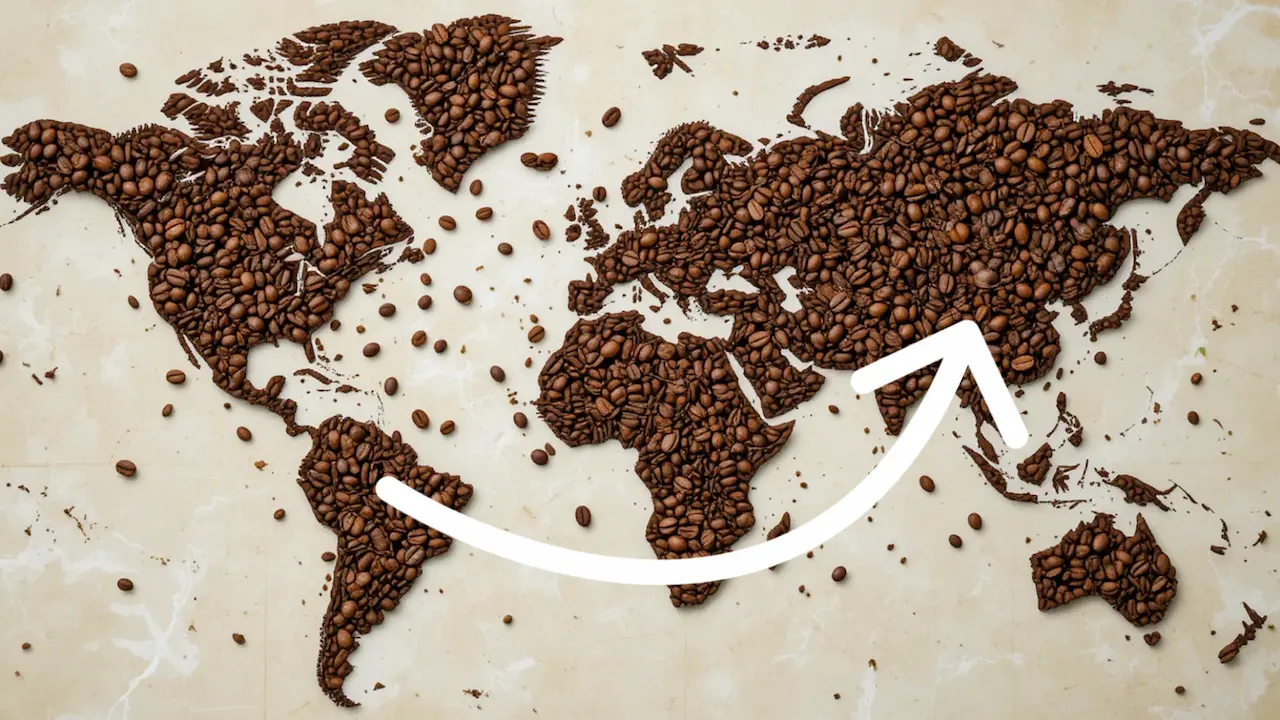
Brazil’s coffee industry just got a caffeine jolt from an unexpected source—China! In a move that’s got exporters buzzing, the Chinese embassy in Brazil announced on social media that 183 new Brazilian coffee companies can now ship their beans to the Chinese market.
This decision, effective July 30, comes just as the U.S. slaps a 50% tariff on Brazilian coffee starting August 6, leaving traders scrambling to redirect their precious cargo.
The U.S. tariff is no small roast. It threatens to burn a hole in the wallets of Brazilian exporters who send about 8 million 60-kilo bags of coffee to the U.S. annually, fueling a third of America’s coffee obsession, worth $4.4 billion in the year ending June.
With China stepping in with five-year export permits, Brazil’s coffee barons are eyeing the East to keep their beans flowing and their profits perky.
China’s coffee market is waking up faster than a double espresso shot. In the 2023-24 crop year, Brazil’s coffee exports to China skyrocketed by 186.1%, hitting 1.64 million bags, according to the Brazilian Coffee Exporters Council (Cecafe).
While the U.S. gulped down 440,034 bags in June alone, China sipped a modest 56,000, but the gap is narrowing as Chinese consumers swap tea for a morning brew.
The timing of China’s move is as convenient as a drive-thru coffee shop. With U.S. tariffs looming, Brazilian exporters face a bitter reality: American roasters won’t swallow a 50% price hike, and growers can’t afford to slash prices.
China’s open door offers a sweet deal, especially since it’s already Brazil’s top trade partner, gobbling up soybeans, beef, and now, more coffee.
But don’t expect Brazil to ditch the U.S. market entirely—it’s not that simple. The U.S. coffee trade is a well-oiled machine, with blends and logistics fine-tuned over years. Redirecting 8 million bags to China or elsewhere requires more than a quick pivot; it’s a logistical latte art challenge.
Some traders are getting creative, eyeing sneaky detours to dodge the tariffs. Experts suggest routing beans through countries like Mexico or Panama to cut the tariff hit to 10-15%.
“Without a strong traceable supply chain, tariffs are meaningless,” said one commodities guru, hinting that coffee might slip into the U.S. via a scenic route.
China’s coffee craze is no flash in the pan. Young professionals are fueling a 20% annual growth in coffee consumption, with per capita intake doubling in five years. Luckin Coffee, China’s answer to Starbucks, is all-in on Brazilian beans, planning to buy 120,000 tons by 2026 in a $500 million deal.
Brazil’s coffee industry, employing over 8 million people, is the world’s largest, setting global prices for arabica and robusta.
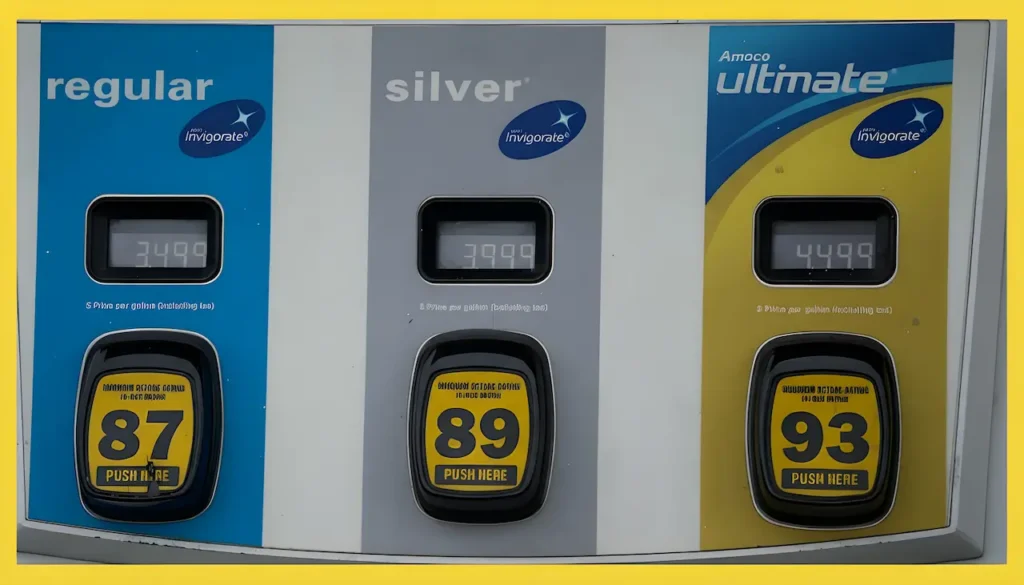
The U.S. tariff could send shockwaves from São Paulo to Seattle, jacking up prices for American coffee drinkers. A 50% wholesale cost spike might add 25 cents to your daily cup, and that’s no small change for your morning ritual.
The European Union could also scoop up some of Brazil’s redirected beans, as it imposes no tariffs. But replacing the U.S. market, which buys a third of Brazil’s coffee, is tougher than brewing decaf that tastes good.
Other coffee-producing countries face their own U.S. tariffs—Vietnam at 20%, Indonesia at 19%—making Brazil’s beans a hot commodity elsewhere.
Brazil’s government is steaming over the U.S. tariffs, calling them a political jab tied to former President Jair Bolsonaro’s legal woes.
The Brazilian agribusiness caucus is pushing for sharp diplomacy to protect exporters, but retaliation could brew a bigger trade war. For now, coffee growers are hoping for a U.S. exemption, though the odds seem slimmer than a skim latte.
China’s strict food safety rules and unique taste preferences add a twist to Brazil’s export plans. Exporters must tweak flavor profiles and packaging to suit Chinese palates, which differ from Western norms.
Still, with China’s coffee market projected to hit $44 billion by year-end, the effort might be worth the grind.
The U.S. coffee industry is bracing for a jolt. Roasters are rushing to secure Brazilian beans before the tariff hits, but long-term, they may turn to Central America or Africa. With global supply tight, prices are set to climb, leaving American coffee lovers to foot the bill.
Brazil’s coffee exporters are no strangers to tough times—think droughts, pandemics, and now tariffs.
Cecafe’s Marcos Matos remains cautiously optimistic, noting coffee’s resilience in turbulent markets. But with the U.S. tariff deadline looming, the industry’s future is brewing with uncertainty.
This coffee kerfuffle shows how global trade can turn on a dime. Brazil’s pivot to China might keep its coffee flowing, but American consumers could face pricier cups. For now, grab your coffee while it’s hot—and maybe stock up before the tariffs hit your wallet.




Leave a Reply