Tim Cook, the unflappable steward who transformed Apple from a tech darling into a $4 trillion colossus over 14 years, is poised to step aside as early as next year, according to the Financial Times.
In his place rises John Ternus, the meticulous hardware engineer whose battles over screw grooves suggest he’ll treat corporate crises like pesky manufacturing flaws—methodically, and with zero tolerance for excess.
Cook’s reign has minted nearly half a trillion dollars in annual revenue, a windfall that could fund a fleet of private islands or just one very elaborate keynote stage.
Yet Ternus inherits a gleaming empire dotted with tripwires: a Department of Justice antitrust lawsuit threatening to loosen Apple’s grip on its ecosystem, and Wall Street’s relentless ribbing over lagging AI innovations that make rivals look like sci-fi savants.
It’s the corporate equivalent of winning the lottery only to discover the fine print includes a molehill-to-mountain regulatory hike—exhilarating, but with enough plot complications to keep shareholders scrolling for updates.
Cook joined Apple in 1998, back when the internet was dial-up slow and Steve Jobs still had a fondness for turtlenecks. Fast-forward 14 years at the helm, and he’s not just built successes; he’s stacked them like a Jenga tower of market caps, now teetering at $4 trillion without a wobble.
At 65, though, even the most steadfast captain eyes the horizon. The Financial Times reports Apple aims for a gentle touchdown for his successor, timing the exit before WWDC’s whirlwind of demos and drama engulfs the newbie.
Enter John Ternus, 50, the senior VP of hardware engineering who’s been at Apple since 2001, longer than some iPhone models have been obsolete. Bloomberg’s Mark Gurman has him pegged as the frontrunner, especially now that Jeff Williams, the retired COO and former heir apparent, has hung up his badge like a well-worn lanyard.
Ternus didn’t stumble into this; he engineered his way. A University of Pennsylvania mechanical engineering grad, he cut his teeth at Virtual Research Systems before Apple lured him with visions of sleeker displays. Since 2013, he’s overseen the guts of iPhones, iPads, and AirPods, plus Apple’s pivot to homegrown silicon chips that hum like they mean business.
But Ternus’s real superpower? Obsessive detail. In a 2024 Penn commencement speech, he confessed to haggling with a supplier over screw heads for the Apple Cinema Display—insisting on 25 grooves, not 35, because why settle for “good enough” when “imperceptibly superior” beckons?
One might wonder if that’s efficient, but at Apple, it’s gospel: months of toil demand every nook considered, even if customers never glimpse the grooves. It’s the kind of logic that turns potential waste into quiet pride, like hiding Easter eggs in code no one will ever hunt.
With Williams out, the succession lane clears like a freshly wiped screen. Experts like Deepwater’s Gene Munster nod approvingly, calling Apple a “small country” where outsiders would flounder like tourists at a tarmac. “It has to be internal,” Munster told Yahoo Finance, praising Ternus as “the only pick”—groomed, nuanced, and ready to dazzle.
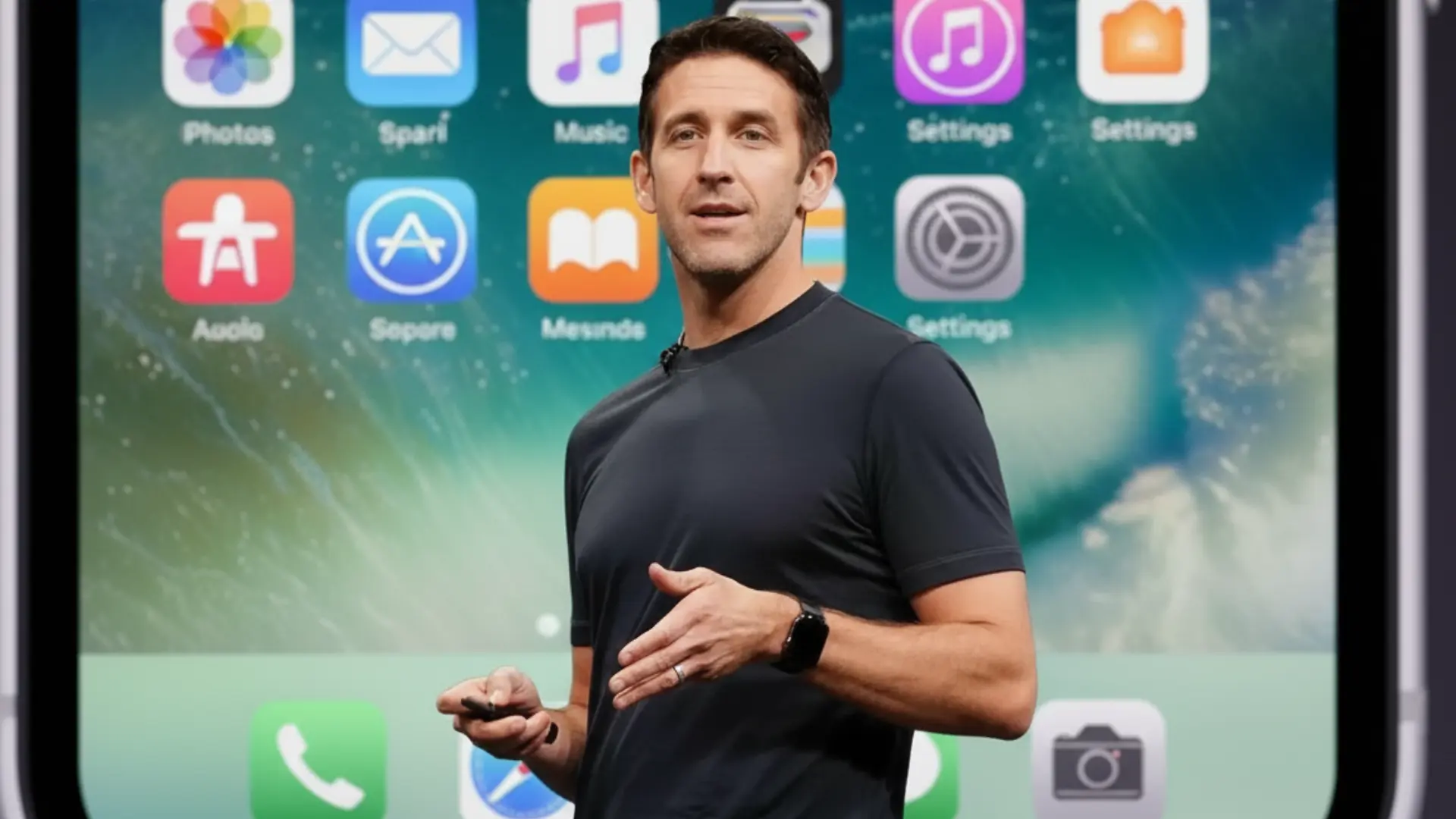
Ternus has warmed up in the spotlight, striding onstage at iPhone launches with the poise of a presenter who’s stress-tested every pixel. His cross-product resume spans devices that billions clutch daily, positioning him to steer Apple’s growth without missing a beat—or a bolt.
Yet storm clouds gather. The DOJ’s antitrust suit looms like a bad software update, potentially forcing tweaks to Apple’s airtight practices. Wall Street, meanwhile, tut-tuts the AI shortfall, where competitors sprint ahead while Cupertino fine-tunes its starting blocks.
Munster tempers the Financial Times’ timeline, betting on a co-CEO phase with Cook—a tag-team handover smoother than AirPods pairing. It buys time to polish those dark spots, ensuring the transition feels less like a leap and more like a seamless scroll.
Cook’s scorecard gleams: Apple Watch and AirPods leaped from concept to cuff essential, custom M-series chips banished Intel’s baggage, and services ballooned to $109 billion yearly, proving software subscriptions stickier than fresh caramel.




Leave a Reply