
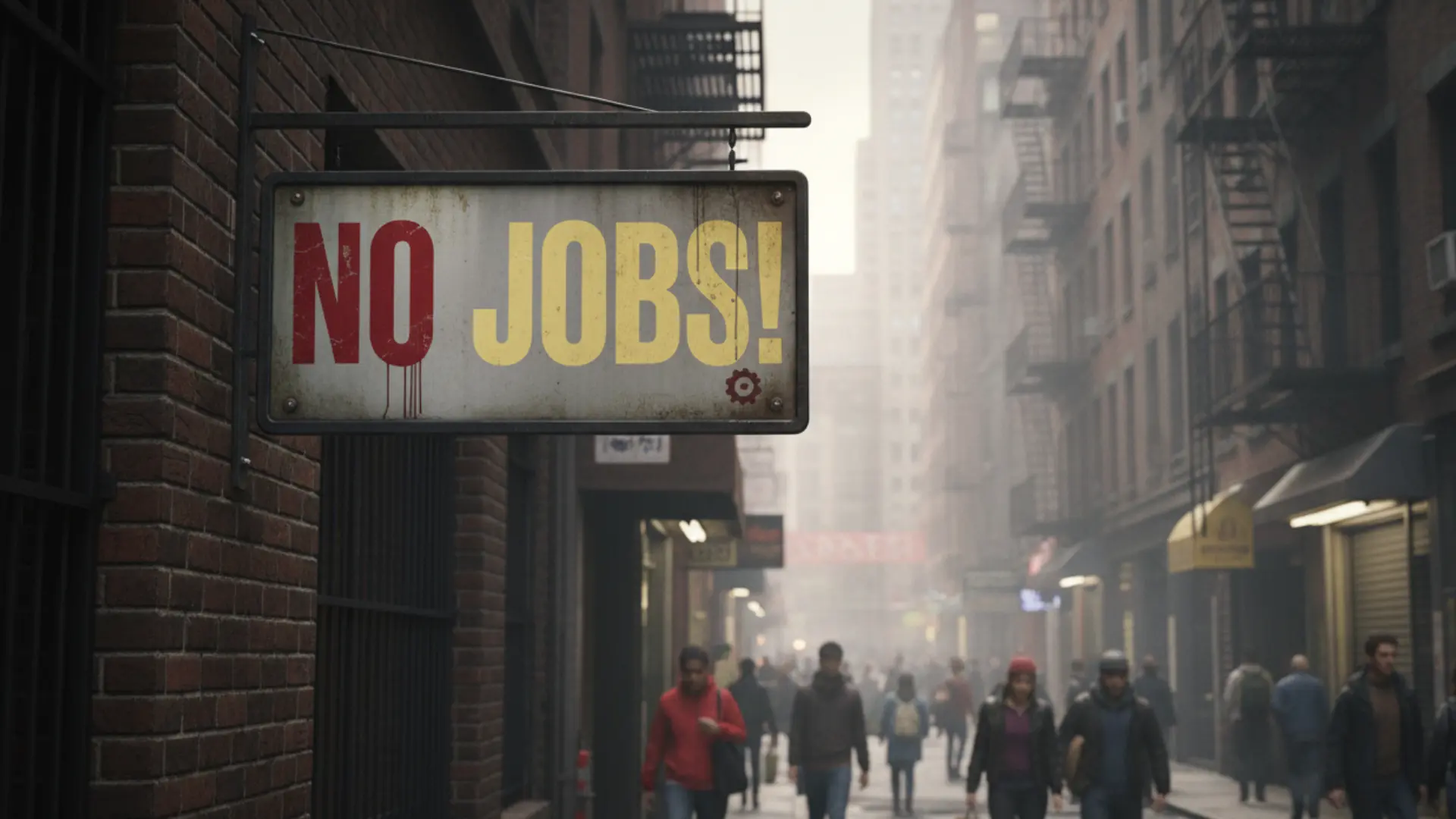
The U.S. economy surged ahead with a blistering 4.3% annualized growth rate in the third quarter of 2025, far exceeding expectations. Yet, in a peculiar twist of fate, the job market stayed cooler than a forgotten coffee, with unemployment climbing to 4.6% and hiring barely keeping pace.
This “jobless boom” left many Americans scratching their heads. Robust consumer spending and massive investments in artificial intelligence propelled the numbers upward, even as companies trimmed staff and froze new hires.
White-collar workers felt the chill most acutely. Tech giants and corporate heavyweights announced cuts, while job seekers reported applying to hundreds – sometimes thousands – of positions with scant callbacks.
The impact rippled through households. Affluent spenders kept the economy humming, splashing out on everything from premium travel to healthcare services, which saw their biggest spike since the Omicron days.
Meanwhile, everyday wage earners tightened belts amid stagnant income growth and lingering inflation above the Fed’s target. Consumer sentiment hovered near historic lows, suggesting the spending surge stemmed more from necessity than exuberance.
KPMG chief economist Diane Swonk noted the unusual decoupling: growth and labor markets heading in opposite directions. Companies embraced the “do more with less” philosophy. Many corrected overhiring from the pandemic frenzy through attrition and targeted layoffs.
Big Tech led the charge. Firms like Amazon, Microsoft, Meta, Google, and Tesla slashed roles, often citing efficiency in an AI-driven world. Profits soared for these investors. AI infrastructure spending fueled much of the GDP jump, rewarding shareholders handsomely.
Job seekers shared tales of frustration. Cumbersome processes, fierce competition, suspected ageism, and AI resume screeners turned the hunt into an endurance test. Some landed offers only after over a year, frequently at lower pay. Others clung to current roles, fearing the alternative.
Healthcare spending powered much of the consumer boost. Hospital and nursing costs climbed, marking the highest outlay on medical services in years. Tariff uncertainties added caution. Yet spending held firm, driven partly by wealthier households buoyed by stock gains.
President Trump hailed the figures. He declared the “Trump Economic Golden Age is FULL steam ahead,” crediting policies for the strong performance. Federal Reserve Chair Jerome Powell offered nuance. He suggested recent jobs data might overstate weakness due to distortions.
Economists grappled with the rarity. Typically, hot growth sparks hiring sprees, but here productivity gains and caution prevailed. Firms offset margin squeezes from tariffs with leaner operations. Hiring freezes became commonplace outside essential sectors.
The U.S. operated with fewer jobs than pre-COVID levels. Still, overall layoffs remained historically low, concentrated in corporate realms. If AI investments yield promised returns, productivity could rise further. That might extend the boom – but deepen the job freeze.
For now, the economy chugged along impressively. Just don’t ask too many people how their job search is going.





Leave a Reply