
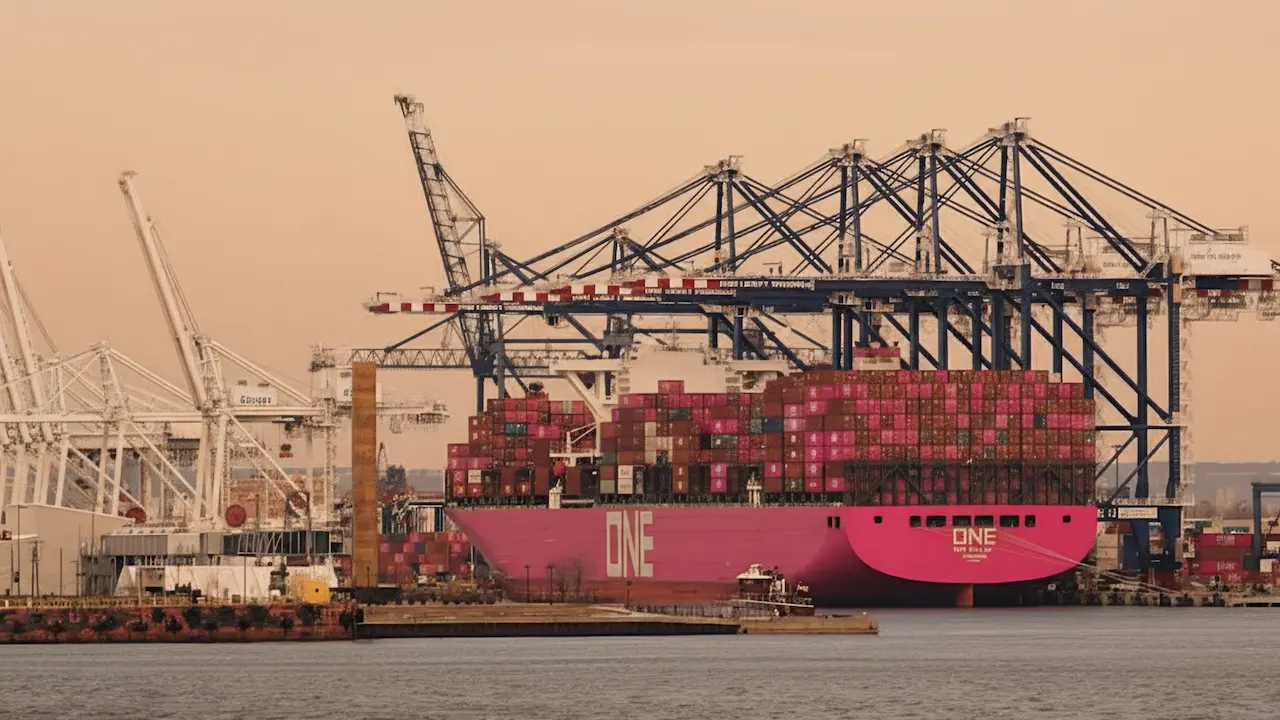
The Trump administration has edged closer to refunding billions in tariffs the Supreme Court declared illegal earlier this year. A fresh court filing this week quietly admitted that even those pesky “liquidated” duties—once thought stamped final like a bad parking ticket—could soon be eligible for payback.
Importers who shelled out under the International Emergency Economic Powers Act are breathing easier, or at least chuckling at the paperwork marathon ahead. The government’s own update suggests a refund portal is chugging along, though not quite at warp speed.
Companies stand to claw back millions, potentially easing costs that trickled down to everything from gadgets to groceries. That’s welcome news for supply chains still recovering from the tariff rollercoaster—imagine getting a surprise rebate just when your margins were gasping for air.
Of course, the process promises to be delightfully slow, with phases and reviews that could test even the most patient accountant’s sense of humor.
The legal kerfuffle centers on the difference between liquidated and unliquidated tariffs. In plain English, liquidation is when Customs finally tallies the bill and calls it done—usually within 10 to 11 months of goods hitting the dock.
This week’s filing signaled that the entire batch of IEEPA entries, regardless of status, may fit inside the court-ordered refund framework. Trade lawyers called it a meaningful step forward, the kind that makes you exhale after holding your breath since last February.
Preemptive lawsuits from worried importers started as early as 2025, long before the Supreme Court’s February ruling confirmed the duties exceeded presidential powers under the 1977 law. Now the administration appears to be cooperating, at least on paper.
Customs and Border Protection outlined a four-step portal process—claim, processing, review, payment—currently 60 to 85 percent complete. The first version should handle about 63 percent of entries when it launches, leaving the more complex “final liquidation” cases for later guidance.
Judge Richard K. Eaton of the U.S. Court of International Trade noted the government is “on track” for an April 20 deadline to start accepting applications, requesting another update by April 14. Progress reports in court filings have a certain optimistic tone, like a contractor promising the kitchen remodel will finish “any day now.”
Experts remain cautiously relieved. One attorney observed that if the government planned to dig in its heels on liquidated entries, this would have been the moment to say so. Still, nothing stops future legal pushback down the road.
President Trump once predicted two years of litigation over refunds. Lately he’s been quieter on the topic, letting the paperwork do the talking.
For importers, the message is clear: the money might be coming back, but bring snacks and patience. The bureaucratic refund machine is warming up, one phase at a time.







Leave a Reply