
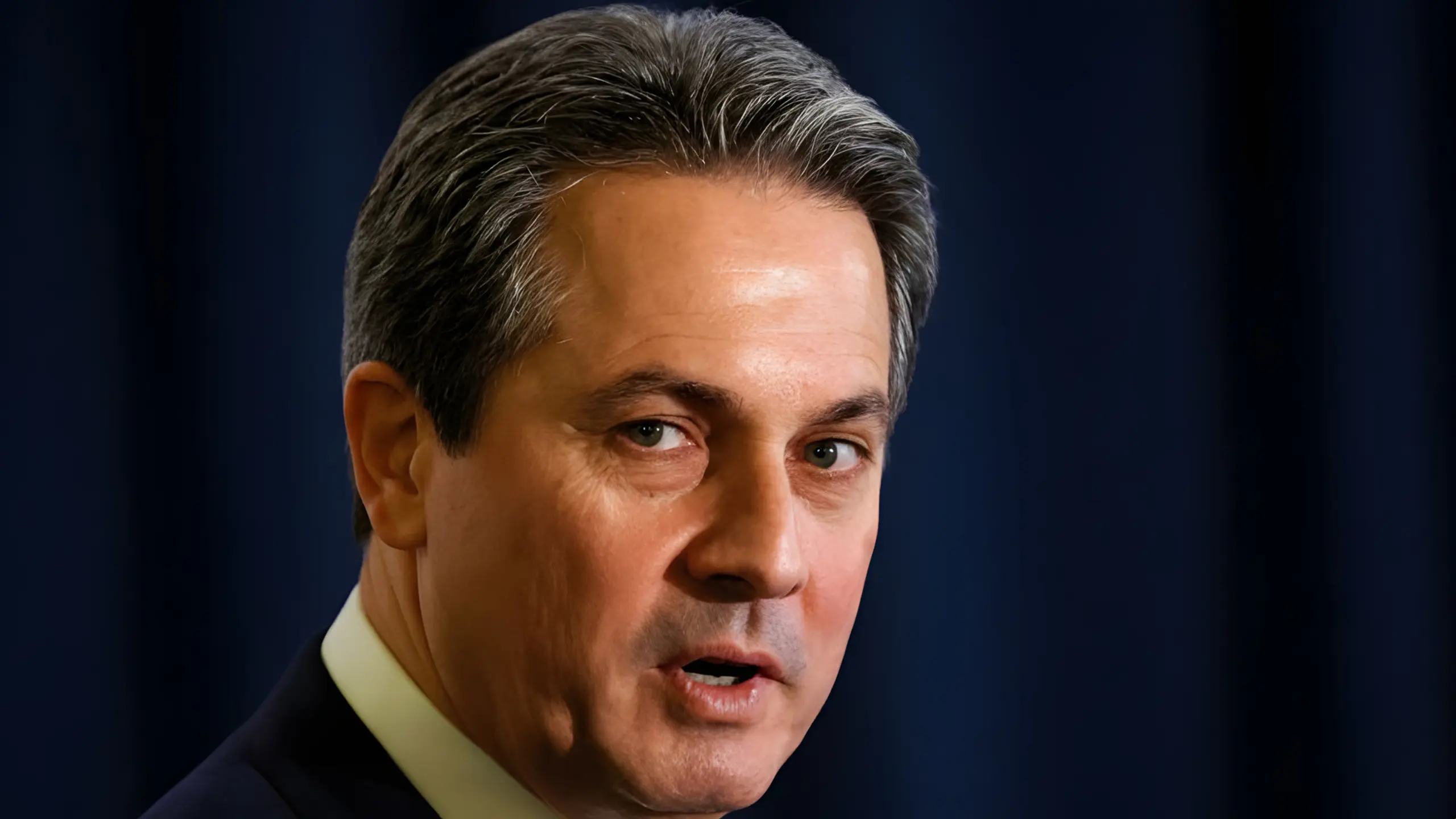
In a Washington speech that had economists reaching for their antacids, St. Louis Fed President Alberto Musalem warned against casually brushing off the latest surge in oil prices driven by geopolitical tensions in the Middle East. Instead of the usual “it’s just a blip” approach, he urged caution, noting that with inflation already sticky above target, ignoring supply shocks could backfire spectacularly.
Americans staring at higher gas prices may soon feel it ripple through everything from grocery bills to airline tickets, while the Fed keeps its benchmark rate steady—leaving borrowers and savers in a familiar limbo of “wait and see.” Businesses passing along energy costs could keep the pressure on, turning a temporary headache into something more persistent.
Musalem delivered the remarks at the American Enterprise Institute, sounding like a seasoned referee calling foul on the temptation to focus only on jobs and growth while pretending energy costs don’t matter. He pointed out that today’s oil shock may differ from the 1970s oil crises, yet public sensitivity to inflation makes it riskier this time around.
Firms in a recent survey reported the biggest jump in selling prices since 2022, happily passing higher energy bills to customers. Core services outside housing remain stubbornly sticky, and tariff effects on goods have added their own layer of sustained price pressure.
Geopolitical developments have muddied earlier hopes that inflation would ease nicely in the second half of the year. Musalem now sees elevated risks of above-target inflation lingering through 2026, with energy prices pushing headline numbers higher and some spillover into core measures.
On the jobs side, he noted downside risks: hiring has slowed, concentrated in just a few sectors, and surveys show firms growing more reluctant amid uncertainty. A sudden rise in layoffs could quickly push unemployment higher from its currently balanced level.
The policy rate, adjusted for inflation, sits in the lower end of neutral territory—neither pumping up nor slamming the brakes on the economy. Musalem called the current setting “appropriate” for balancing inflation and employment risks, expecting it to stay put for some time.
He added a hopeful nod to artificial intelligence potentially boosting productivity and easing price pressures down the road, but cautioned against easing policy based purely on that sunny prospect while demand remains firm and inflation elevated.




Leave a Reply