
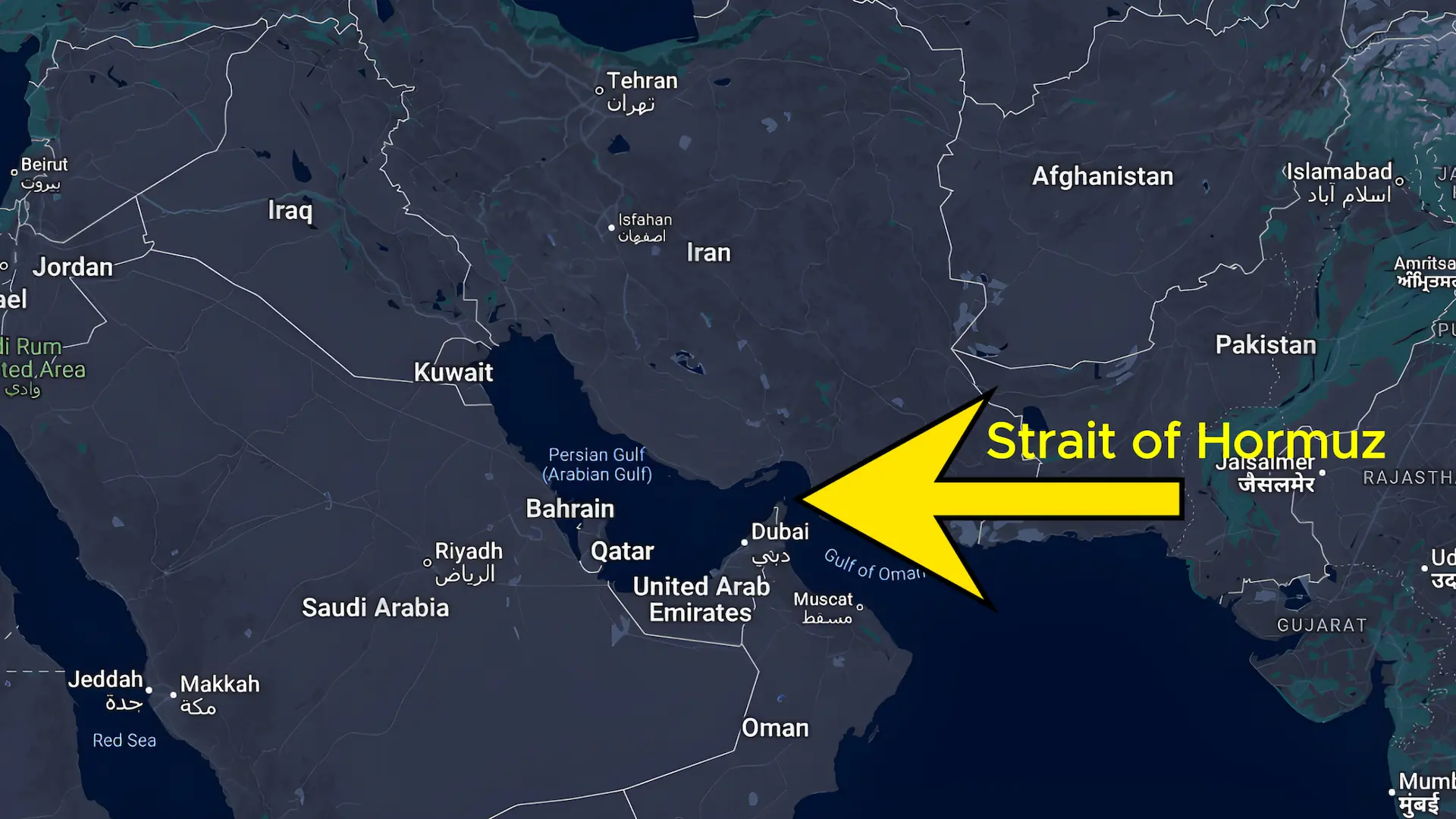
Iran is now requiring vessels hoping to transit the Strait of Hormuz under its protection to hand over crew lists, cargo details, voyage plans, and bills of lading — all for the Islamic Revolutionary Guard Corps’ stamp of approval. Some tankers are even being quietly asked for protection payments that reportedly reach up to $2 million per trip, turning one of the world’s busiest oil arteries into the world’s most expensive paperwork checkpoint.
The impact has been immediate and awkward for global energy markets already jittery from nearly a month of conflict. A trickle of mostly Iranian or China-linked ships now hug Iran’s coastline like nervous commuters sticking to the slow lane, while fuel shortages ripple outward. India is rationing cooking gas, Asian buyers are sweating price spikes, and insurers are treating the strait like a haunted house no one wants to enter.
Ships seeking safe passage must now play by Tehran’s idiosyncratic rules. Details flow through intermediaries, approvals vary ship by ship, and the IRGC recently turned back a container vessel that skipped the protocol. One senior officer on an Indian LPG tanker described days at anchor followed by a tense nighttime run with constant radio chatter and Iranian directions to stay close to shore.
High-value cargoes — oil tankers, gas carriers — seem most likely to face the extra “fee” requests, though not every ship gets the bill. Payments, when demanded, arrive through back channels in amounts that differ wildly. Meanwhile, Iran insists the strait remains open to “friendly nations” in coordination with its authorities, even as its Supreme Leader once floated shutting it entirely.
The irony of international law meets reality is hard to miss: India reminds everyone that freedom of navigation means no fees allowed, while Chinese officials quietly note their vessels sometimes pay anyway, viewing Beijing’s oil purchases as leverage rather than a receipt. A 15-point U.S. ceasefire proposal has helped ease oil prices slightly, yet traffic stays sparse and tensions high.
U.S. President Donald Trump’s extended deadline for reopening the waterway hangs in the air, with little visible change on the water. For now, captains face a new maritime reality: fill out the forms, hug the coast, and hope the bill stays optional.






Leave a Reply