
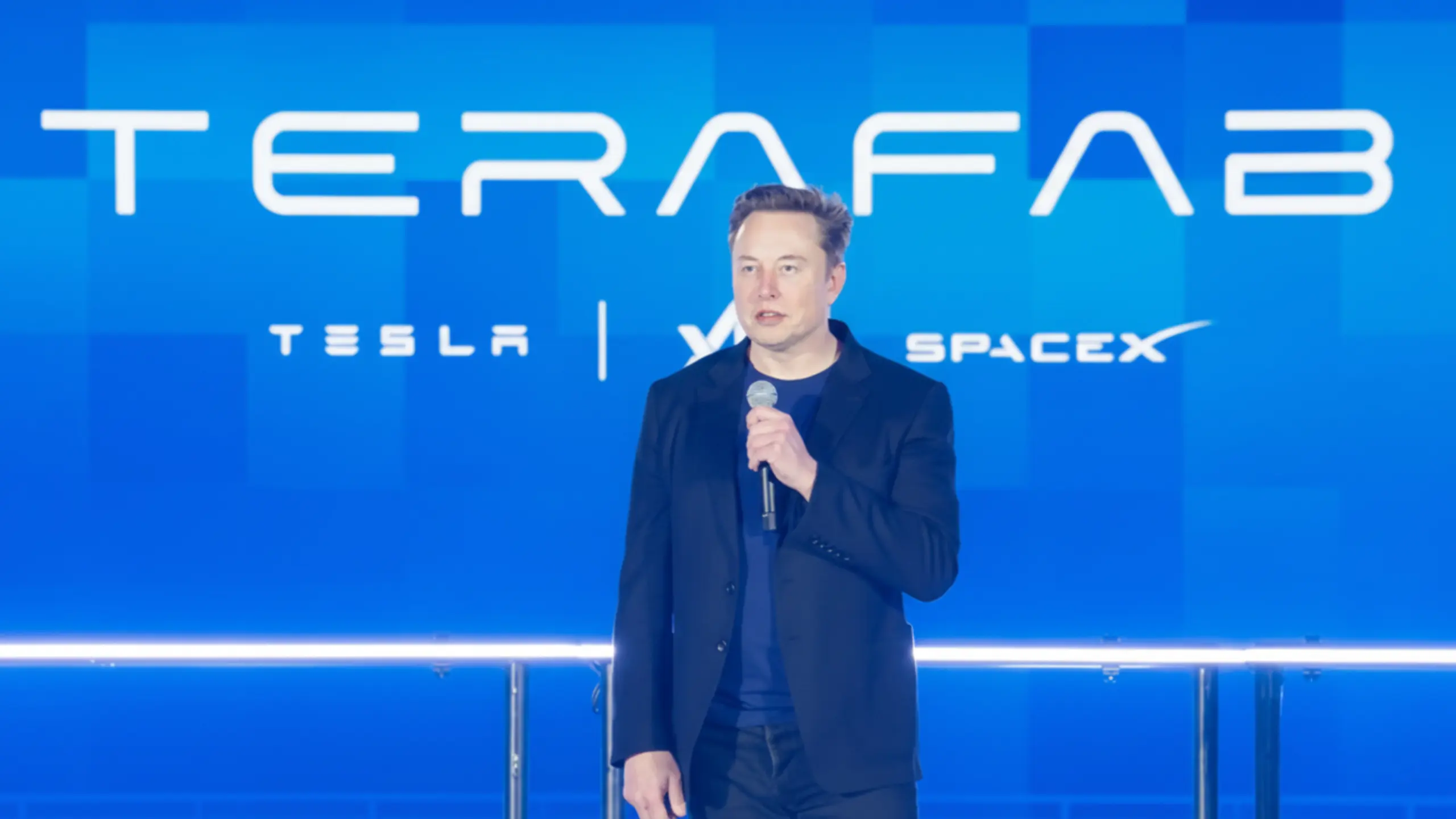
Elon Musk took the stage and declared he’s launching the “most epic chip-building exercise in history by far.” His new Terafab project, a joint venture between Tesla, SpaceX, and xAI, aims to crank out enough computing power to hit an eye-watering one terawatt per year—mostly parked in space.
The scale is so vast that analysts immediately started giggling into their spreadsheets. Bernstein estimates the full vision could swallow $5 trillion to $13 trillion in spending and require building somewhere between 140 and 360 new factories. That’s not a factory—it’s basically a small country dedicated to silicon wafers.
Yet Musk, fresh off turning rockets into taxi services and cars into rolling computers, insists the world simply needs more chips than anyone is currently willing to make. “We either build the Terafab or we don’t have the chips,” he said, sounding less like a CEO and more like a man who just realized the entire AI party is running low on snacks.
Skeptics wasted no time pointing out the obvious: current global semiconductor capacity would need to multiply several times over just to approach Musk’s target. Some analysts politely called the full plan “a stretch,” which in Wall Street speak means “adorable but good luck with that.” Others wondered aloud whether the real goal is simply to light a fire under existing chipmakers who are already sweating over hyperscalers’ $650 billion data-center shopping spree this year alone.
Still, the man has form. He once made reusable rockets seem routine and turned electric cars from niche toy into everyday reality. If anyone can make a terawatt of compute look inevitable, it might be the guy whose companies already treat physics like a polite suggestion.
For now, Terafab begins modestly: an advanced technology fab on the Giga Texas campus where chips, memory, packaging, and even lithography masks can all happen under one very large roof. Production is eyed for 2027, assuming the funding fairy visits with a very generous checkbook.







Leave a Reply