
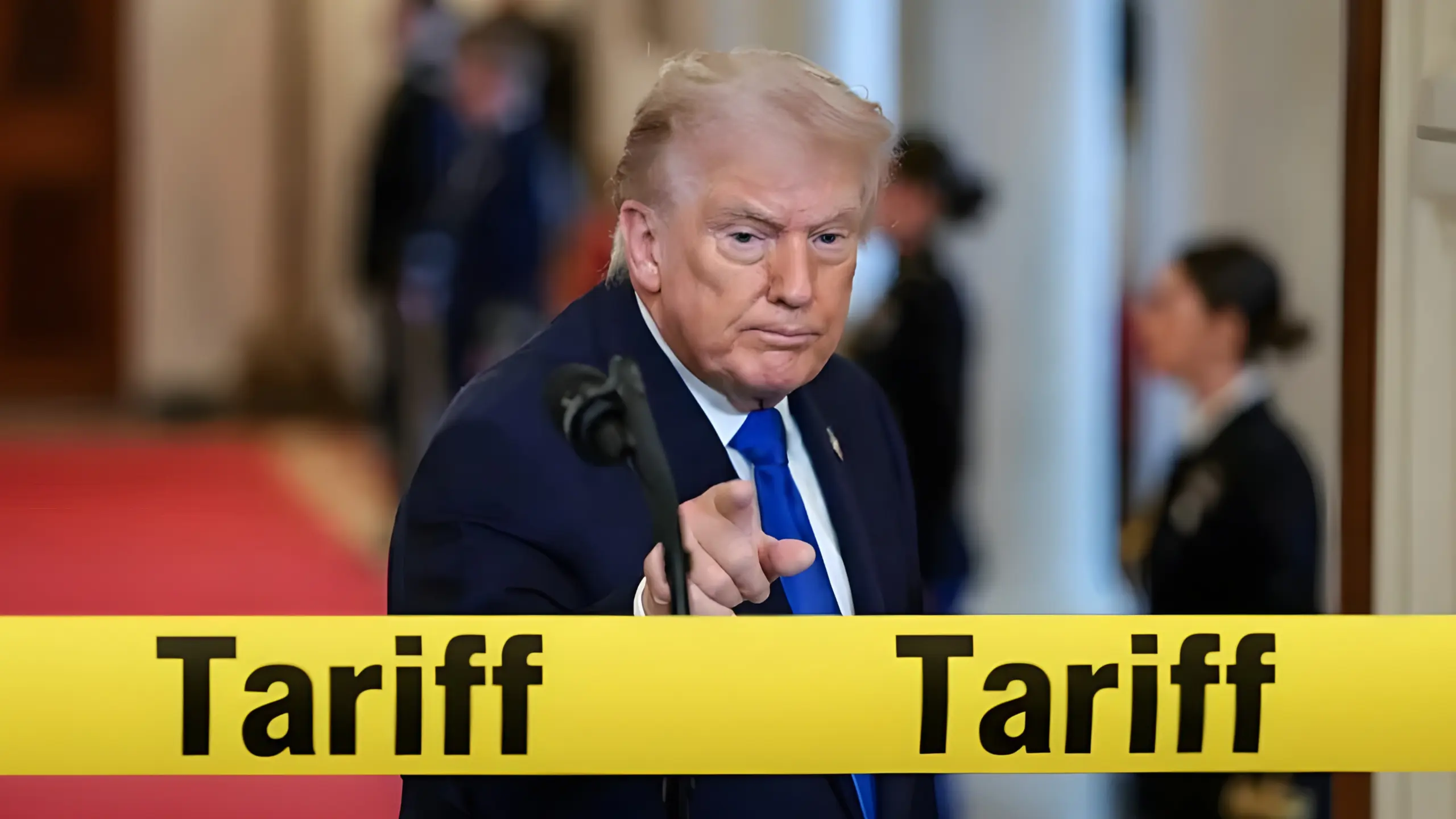
President Donald Trump’s grand tariff empire took a Supreme Court-sized hit last Friday—only for him to dust himself off, sign a new executive order faster than you can say “trade deficit,” and slap a fresh 10% global import tax on just about everything Tuesday morning.
The levies kicked in at 12:01 a.m. Washington time under the dusty old Section 122 of the 1974 Trade Act, giving the president a 150-day window to play tariff roulette without asking Congress for permission. Hours after the justices ruled his previous emergency-powered duties illegal, Trump promised this new baseline would hold the line on his trade agenda.
He even floated bumping it to 15% over the weekend, though that upgrade hadn’t quite materialized by Tuesday’s deadline—leaving importers, exporters, and probably a few confused customs officers staring at their spreadsheets.
Global trading partners are reacting like they’ve been invited to a surprise party where the host keeps changing the dress code. The European Union paused ratification of its recent deal with the U.S., India postponed talks on an interim agreement, and even the UK—fresh off negotiating a sweetheart 10% rate last year—now eyes a potential downgrade with the enthusiasm of someone discovering their coffee is decaf.
Christine Lagarde at the European Central Bank pleaded for “clarity,” which in diplomatic speak means “please stop turning global trade into a game of economic musical chairs.”
Meanwhile, the White House insists these deals are still “good deals” and urges everyone to stick to them. U.S. Trade Representative Jamieson Greer went on television to deliver the message with a straight face: stand by your agreements, folks. The response from abroad? A collective eye-roll audible across the Atlantic.
Details reveal a carefully curated set of exemptions—USMCA-compliant goods from Canada and Mexico get a pass, along with select agricultural items, critical minerals, pharmaceuticals, and enough passenger vehicles to keep Detroit from complete panic. Bloomberg Economics crunched the numbers: the average effective U.S. tariff rate lands around 10.2%, a dip from the 13.6% pre-ruling level.
If that threatened 15% ever arrives, it climbs to about 12%. Hardly the end of the world, but enough to make imported widgets cost a bit more—like adding a service fee to the global shopping cart.
The administration isn’t sitting idle. Plans are brewing for fresh national security investigations into batteries, cast iron fittings, telecom gear, plastic piping, and various chemicals—precursors to more targeted duties under Sections 301 and 232.
These probes might take months, but they signal tariffs remain the star of Trump’s economic show. The old emergency-powers shortcut is gone, replaced by slower, less flexible tools. Still, the message is clear: trade policy isn’t retiring anytime soon.
Confusion reigns supreme abroad as countries scramble to reassess deals and brace for whatever comes next. China, perhaps sensing a momentary upper hand, awaits Trump’s upcoming Beijing visit with Xi Jinping. Domestically, polls show growing public fatigue—64% disapprove of the tariff handling—right as the president gears up for a State of the Union address heavy on economic wins. Timing, as they say, is everything.




Leave a Reply