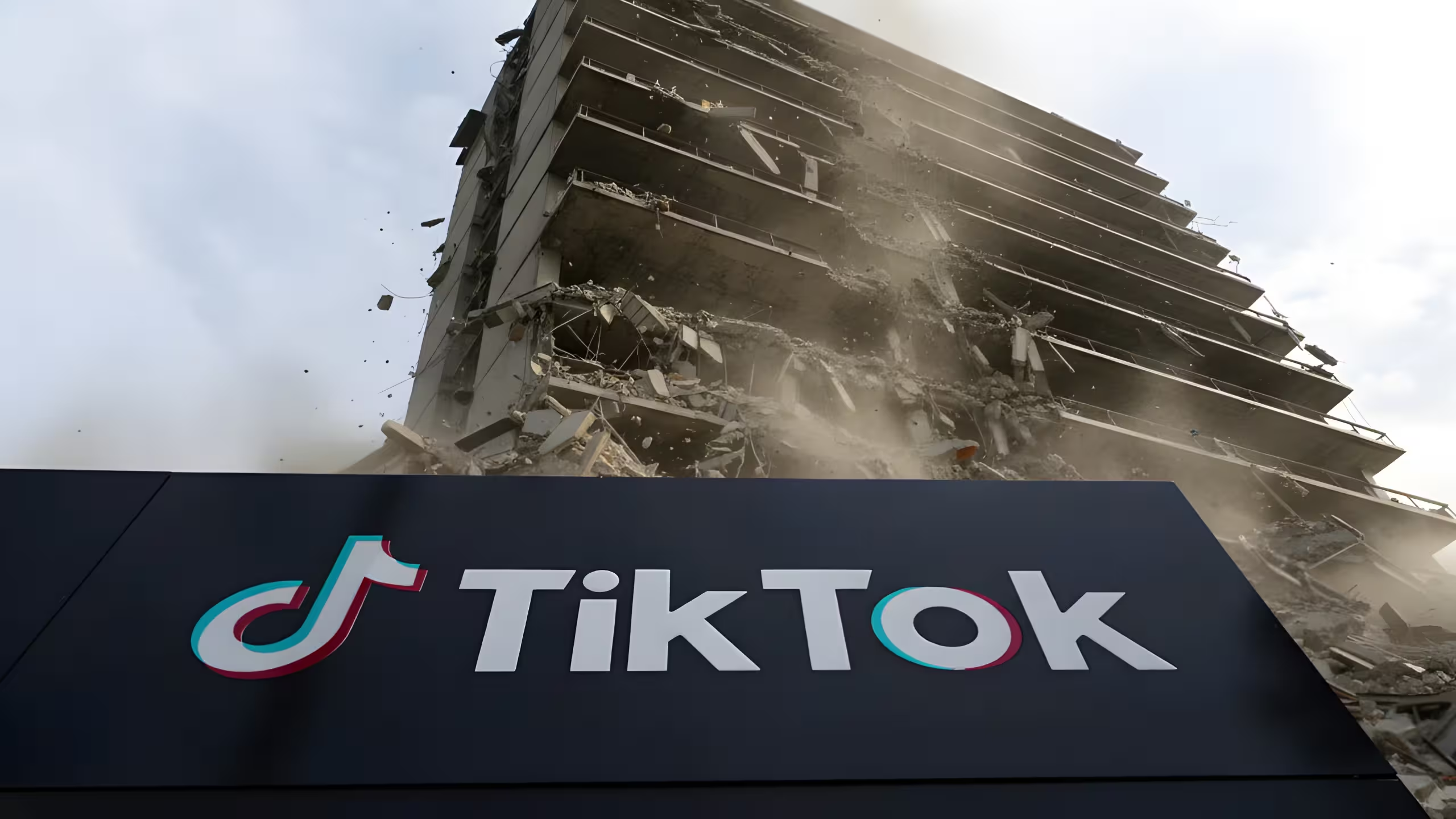
TikTok officially became as American as apple pie and Oracle databases on January 22, 2026, only to spend its very first week as a U.S. citizen buried under snowdrifts, conspiracy theories, and one very unfortunate data center.
The ByteDance-to-American-investors handoff, complete with Oracle, Silver Lake, and a few international friends holding the majority stake, was supposed to be the app’s triumphant naturalization ceremony. Instead, it kicked off with a privacy policy update that let everyone collect more precise location data—the same kind Instagram and friends have been hoovering up for years.
But when the new bosses include billionaire Larry Ellison, some users immediately smelled a conspiracy stronger than burnt popcorn in a server room.
Then Mother Nature decided to join the party. Winter Storm Fern slammed the country, knocking out power to millions and—crucially—taking down an Oracle data center that TikTok depends on. Uploads froze. Views flatlined at zero. Videos vanished into the digital tundra. For days the app looked like it had been shadow-banned by a polar vortex.
Users trying to post about the tragic shooting of 37-year-old U.S. citizen Alex Pretti by federal immigration agents in Minneapolis found their content going nowhere fast. Zero views. Failed uploads. Celebrities, influencers, a California state senator, even Billie Eilish’s brother piled on. Comedian Meg Stalter dramatically threatened to delete her account.
Headlines screamed censorship. A U.S. senator called it a “threat to democracy.” The governor of California launched an investigation into possible pro-MAGA meddling. The internet did what the internet does: it accelerated straight to DEFCON 1.
TikTok and Oracle eventually emerged from the blizzard with the most mundane explanation possible: weather broke power, power broke servers, servers broke TikTok. No shadowy censorship cabal—just ice, wind, and insufficient backup redundancy for a company that usually prides itself on being very online.
The damage, however, was already done. Uninstalls spiked. A plucky little competitor called Upscrolled rocketed to the top of the App Store charts on promises of “less censorship” and presumably more reliable data centers.
VPN apps climbed the download ranks as users suddenly got very serious about hiding from their own government. TikTok, once an unstoppable cultural juggernaut, limped to 16th place in the iPhone store like a tourist who just realized they packed flip-flops for Alaska.
The great irony? After years of panic that Chinese owners might spy on Americans, the app’s first week under patriotic ownership featured more outages than a 90s dial-up connection and enough suspicion to fuel a dozen true-crime podcasts. Turns out the biggest threat to TikTok wasn’t geopolitics—it was a classic American winter storm reminding everyone that even billion-dollar algorithms can’t argue with physics.
In the end, TikTok’s American adventure has all the grace of a viral dance challenge performed on black ice: flashy, chaotic, and very likely to end with someone flat on their back wondering what just happened.

Leave a Reply