
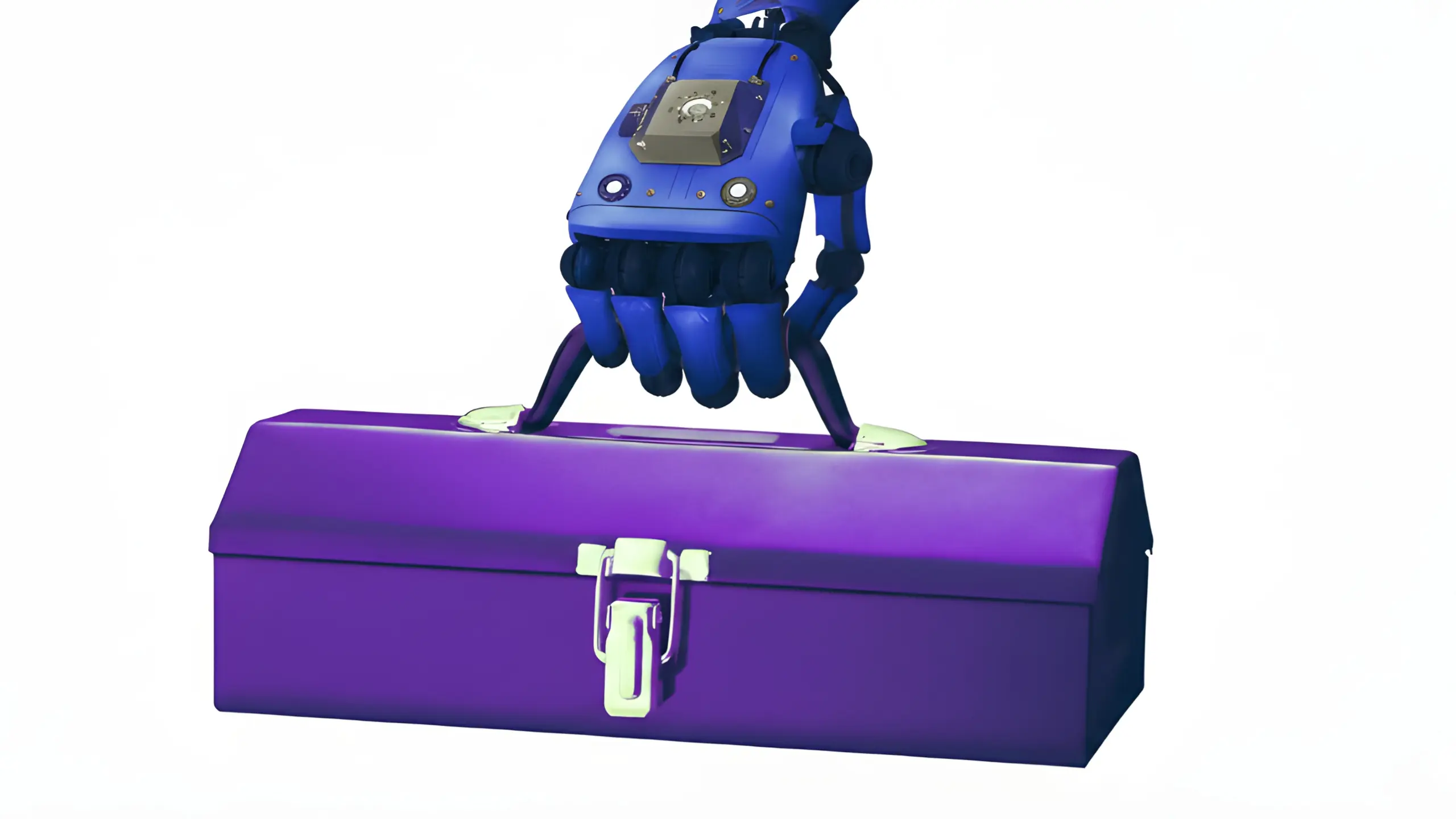
AI startups are vacuuming up billions to build robotic “brains” capable of tackling everything from welding oil rigs to flipping burgers—proving that even grease monkeys might soon need to unionize against circuits.
The surge hit fever pitch recently, with Toronto’s Waabi hauling in up to $1 billion—the largest funding round in Canadian history—to power autonomous trucks and robotaxis (because nothing says progress like a self-driving semi that never asks for a coffee break).
Pittsburgh’s Skild AI followed suit with roughly $1.4 billion at a $14 billion valuation, boldly declaring “Any robot. Any task. One brain.” Meanwhile, FieldAI pocketed nearly $400 million to target the “dirty, dull, or dangerous” jobs in energy and logistics—essentially letting robots handle the work humans once did while complaining about the weather.
These aren’t your grandfather’s clunky factory arms. The new wave focuses on software smarts that grasp real-world physics: gravity, slippery surfaces, that one pipe that always leaks on Tuesdays. Some envision humanoid helpers straight out of sci-fi, others bet on whatever shape gets the job done fastest. Form follows function, unless the function is looking cute while failing at parallel parking.
The cash flood reflects a broader race. Companies gobble real-world data or lean on cheaper simulated “world models” (thank you, Yann LeCun’s latest venture) to teach robots not just to move, but to think on their feet—or wheels, or treads.
Waabi’s CEO Raquel Urtasun called it the dawn of “Physical AI,” where autonomy finally scales beyond lab demos. Translation: the robots are coming for the hard hats, and they’ve got venture capital deeper than a utility trench.
For workers in construction, plumbing, electrical, welding, auto repair, and beyond, the implications land somewhere between “mild concern” and “time to learn coding… or robot repair.” Optimists insist new tech always births more jobs than it buries—someone has to program, maintain, and occasionally kick these machines when they freeze mid-task.
Critics, however, note that AI’s leap from screens to the physical world feels less like past disruptions and more like a plot where the tools start writing their own pink slips.
Hardware costs and integration headaches might slow the takeover—at least until the price of a robot plumber drops below a human’s hourly rate. For now, the factories churning out these brains are the real job creators: investors betting big that the future involves far fewer sore backs and far more extension cords.
Yet the quiet chuckle comes from the irony. While white-collar folks fretted over chatbots stealing spreadsheets, the blue-collar world quietly watched as billions poured into machines that lift, weld, and drive without union dues or lunch breaks. The robots won’t demand overtime, but they also won’t share a beer after a long shift. Progress, as always, arrives with a bill—and this one might come itemized in displaced wrenches.







Leave a Reply