
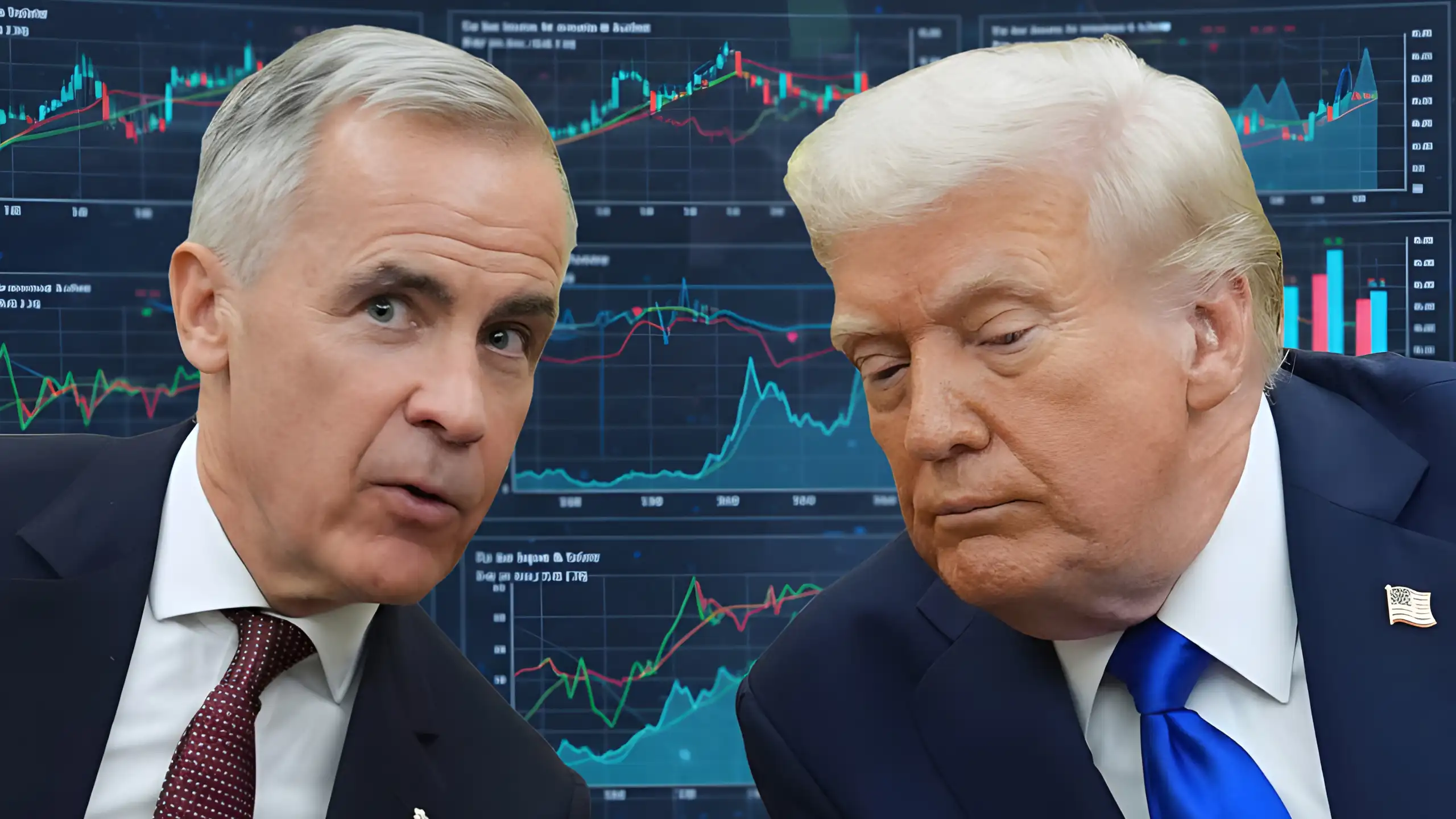
The stock market wrapped up President Donald Trump’s first year back in the White House with a gain that sounds respectable—until you compare it to the fireworks of previous openings. From inauguration day in January 2025 to January 20, 2026, the S&P 500 climbed 13.3%, a solid performance by most measures. Yet it clocked in as the weakest first-year start for any new presidential term since George W. Bush’s second term in 2005.
That modest 13.3% looks almost shy next to the 24.1% sprint during Trump’s own first term in 2017. Investors who expected another round of record-smashing enthusiasm found themselves sipping decaf instead of champagne.
The bar was sky-high after back-to-back 20%-plus annual gains in prior years—the kind of streak not seen since the dot-com era. Expectations were so lofty that even a double-digit rise felt like showing up to a feast and getting served a sensible salad.
The year delivered plenty of drama to keep traders’ hearts racing. Stocks teetered on the edge of a bear market in April as tariff talk sent everyone reaching for antacids. The VIX, Wall Street’s favorite panic meter, spiked above 50 for the first time since the pandemic—because nothing says “relaxed investing” like wondering if global trade is about to reenact a wrestling match.
Then, almost on cue, threats softened, and stocks bounced back with the enthusiasm of a puppy spotting a tennis ball. The S&P 500 notched 39 record highs across the year. Respectable, sure—but a far cry from the 62 highs in 2017’s smoother ride.
Artificial intelligence remained the party’s undisputed MVP, powering gains even as policy headlines stole the spotlight. Optimism about Federal Reserve rate cuts, sturdy corporate earnings, and an economy that refused to quit added fuel.
In summer, Trump signed the “One Big Beautiful Bill Act,” a stimulative package that front-loaded goodies and gave markets a helpful nudge. Analysts noted the administration seemed keen to keep the economy humming hot, especially with midterm elections looming like a report card deadline.
Trump himself keeps a close eye on the ticker, treating it like a personal approval rating. When a recent dip tied to tariff and Greenland chatter surfaced, he dismissed it as “peanuts” and promised the market would soon double—classic bravado that sent shares rebounding by day’s end.
Investors hedged their bets with defensive moves while clinging to fundamentals: earnings growth, AI momentum, and fiscal tailwinds.
Volatility became the year’s unwelcome houseguest, popping in for extended stays during policy whiplash. Yet the market’s resilience shone through—international stocks even outpaced the U.S. for the first time in ages, a polite reminder that the world doesn’t revolve around one index.
Wall Street pros preached discipline: stay focused on long-term drivers, rebalance when tempted by shiny objects, and remember that policy uncertainty can vanish as quickly as it appears.
In the end, 13.3% isn’t a disaster—it’s just not the fireworks show some ordered. The bull run extended, records were set, and the economy chugged along. But in a town where expectations are measured in exclamation points, this year delivered a solid period instead of a bold underline.





Leave a Reply