
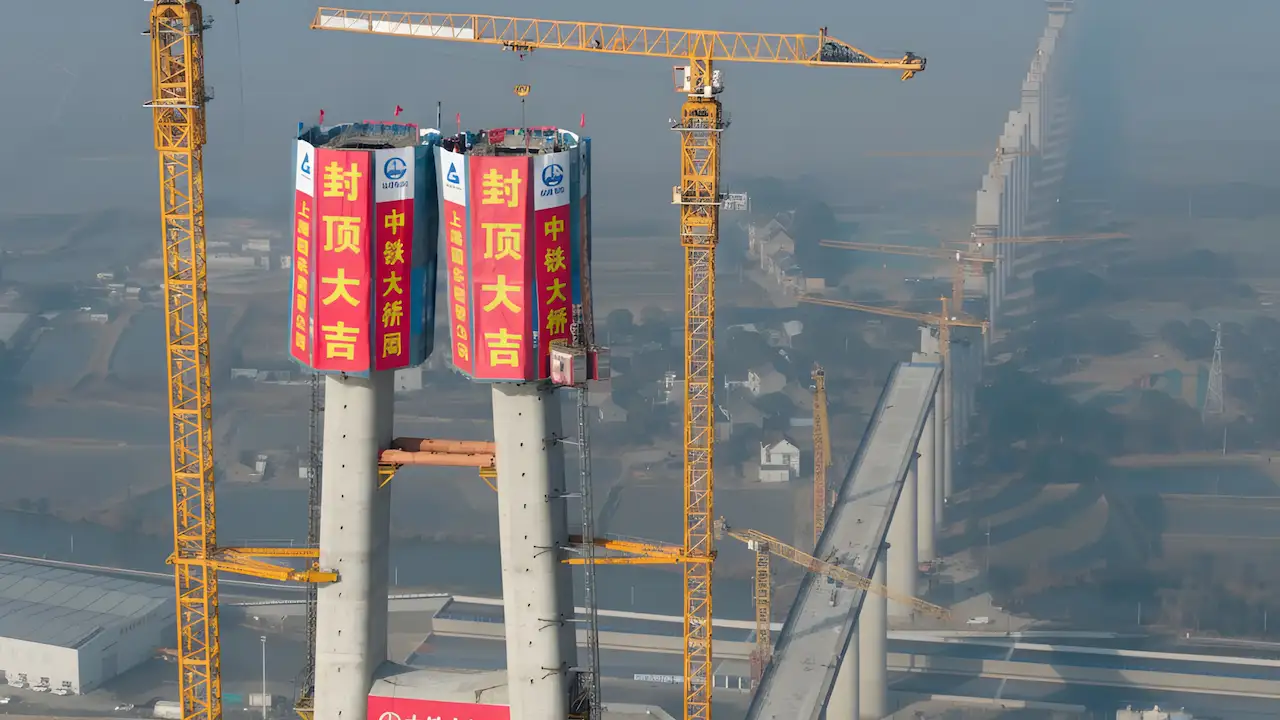
China’s economy just pulled off a classic plot twist: it hit its 5% growth target for 2025, but only by leaning harder on exports while the home front quietly decided to take a very long nap. Fixed-asset investment—the bricks, mortar, and mega-projects that once fueled China’s rocket ride—actually shrank 3.8% last year, marking the first annual drop in decades.
Fitch Ratings, never one to sugarcoat, warned that this slump is cranking up credit risks for everyone from homebuilders to banks, with the property sector looking especially like it’s auditioning for a tragedy.
The impact ripples out like a bad domino chain in a ghost town. Households, staring at falling apartment values, have tightened their belts so much they’re practically wearing corsets. Businesses respond by slashing prices in a desperate bid to move inventory, squeezing margins until they squeak.
Developers who once built skyscrapers faster than you can say “ghost city” now face downgrades to “restricted default” status—Fitch’s polite way of saying “we’re not sure you’ll pay us back without some divine intervention.”
Even local governments, deprived of their beloved land-sale cash cow, are forced to focus on debt repayment instead of shiny new bridges, leaving entire regions wondering where the next infrastructure party went.
The numbers tell a story of selective enthusiasm. Property investment plunged 17.2% for the fourth straight year, dragging residential sales to their lowest since 2015. Existing home prices kept sliding, turning what was once the safest family wealth bet into something closer to a game of economic Jenga.
Nationwide, the unemployment rate crept up to 5.2%, a gentle nudge that has everyone watching banks’ loan books like hawks. Fitch sees only mild trouble ahead for lenders if things stay calm, but a deeper slump could turn those mortgages into unwanted souvenirs.
Yet amid the gloom, a few rays of ironic sunshine peek through. Manufacturing held up, and some emerging sectors like green tech quietly chugged along.
Goldman Sachs suggested the investment drop might partly stem from fixing old over-reported stats—because nothing says “economic vigor” like a statistical correction party. Beijing’s cautious monetary moves, including expected small rate cuts, aim to keep things stable without popping the champagne too early.
Fitch predicts GDP growth dipping to around 4.1% in 2026 unless consumer spending wakes up from its extended vacation.
The property crisis has already claimed casualties—China Vanke, once the king of developers, joined the “restricted default” club last month, while others like Dalian Wanda and Jingrui Holdings faced their own humbling moments. It’s a reminder that even in the world’s second-largest economy, gravity eventually applies to skyscrapers too.






Leave a Reply