
The U.S. cost of living climbed 2.7% in December compared to a year earlier, according to fresh federal data released this week. That’s a slowdown from the wilder inflation days, yet it still packs a punch for everyday shoppers. Tariffs dominated the retail headlines in 2025, with President Trump’s sweeping duties on imports leaving their fingerprints on shelves everywhere. Extreme weather added its own chaotic seasoning, battering crops and cattle supplies alike.
Nearly half the items NPR tracked in a recent Walmart price check ended up more expensive. Chinese-made paper folders shot up 46%, Vietnamese swai fish fillets rose 34%, and even a Schwinn infant bike helmet—relocated from China to Vietnam—climbed 18%. Aluminum foil from Canada, now facing a 50% tariff, helped push Reynolds Wrap prices 13% higher. Companies like Dole blamed a mix of tariffs and weather-shortened pineapple harvests for their 25% canned fruit hike.
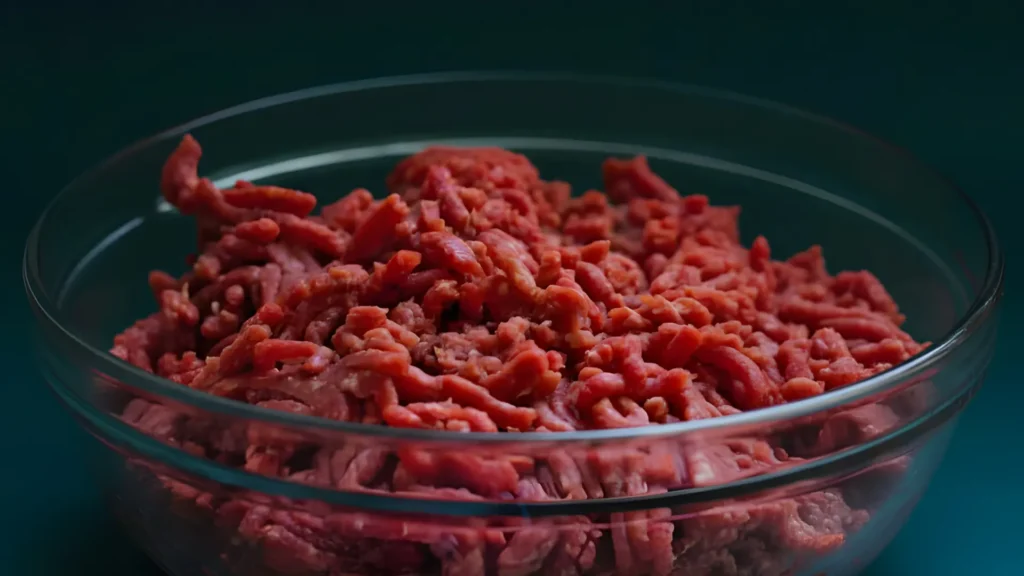
Coffee lovers felt the burn too. Maxwell House ground Colombian jumped 46%, its K-Cups 34%. Chocolate bars from Hershey’s and Lindt gained around 26%. Ground beef increased 30%, prompting Walmart to spotlight a beef-pork blend as the budget-friendly alternative. Climate change delivered erratic rains, floods, and droughts to coffee and cacao farms, while U.S. beef herds hit decades-low levels after prolonged dry spells. Manufacturers insist they’ve absorbed some costs, but wallets notice the difference.
Shrinkflation sneaks in quietly, as always. Tide laundry detergent bottles have slimmed down over the years—from 100 ounces pre-pandemic to 80 now—while promising the same 64 loads. Procter & Gamble calls it a “significant upgrade” with boosted cleaning power and smarter dosing. Shoppers might call it clever math.
Yet not every aisle tells a tale of woe. Eggs, once inflated by bird flu outbreaks, dropped 30% by December. Butter eased nearly 16% amid dairy abundance. Brands like PepsiCo and General Mills slashed prices on snacks and cereals to lure back cautious buyers—Cheerios fell 19%. Walmart rolled back thousands of prices, with about 2,000 becoming permanent discounts.
The overall picture? Inflation cooled but refused to vanish, tariffs nudged costs upward without sparking chaos, and weather played spoiler. Shoppers like Reyes adapt, crossing luxuries off lists and hunting deals. In the grand supermarket of 2025 economics, some carts get lighter, but the checkout lines keep moving.





Leave a Reply