
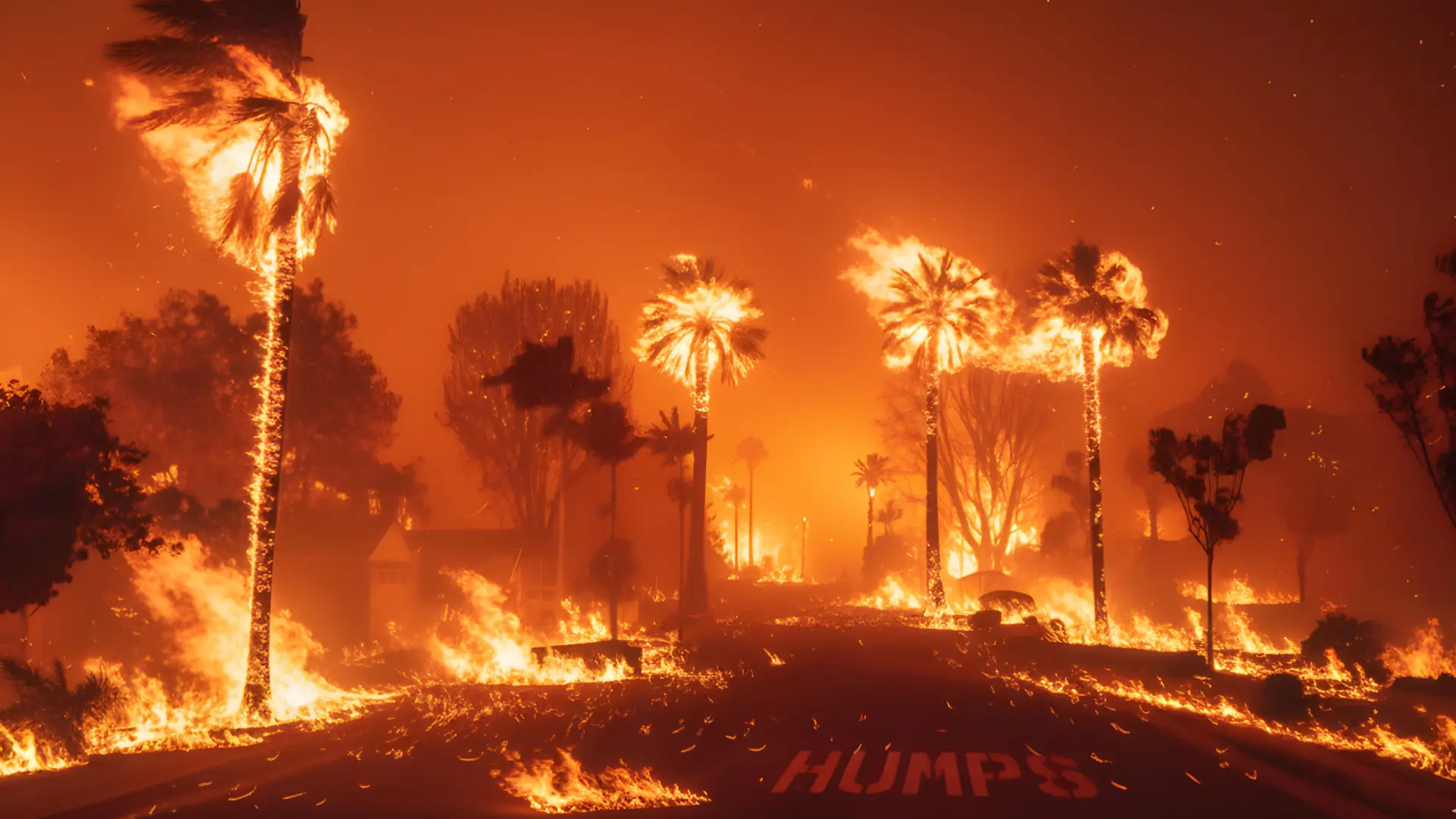
Los Angeles Mayor Karen Bass, thinking the cameras had stopped rolling during a cozy podcast chat, delivered a scorching verdict on the response to last year’s catastrophic Palisades and Eaton fires: “Both sides botched it.”
That unguarded gem, captured when she believed the interview wrapped, has fueled a year of frustration as survivors mark the anniversary with protests and pointed questions.
The twin blazes, igniting on January 7, 2025, claimed 31 lives and razed over 13,000 homes, leaving communities in Pacific Palisades and Altadena grappling with slow rebuilding and lingering distrust.
Residents, many still displaced, wonder how such extreme conditions caught officials flat-footed, turning what might have been manageable threats into historic disasters.
Bass’s blunt assessment, later requested for editing by her team, highlights a rare bipartisan agreement in LA politics: everyone involved could have done better.
Yet for fire survivors, the real impact hits closer to home—insurance battles drag on, permits crawl, and confidence in local leadership smolders low.
Protests planned today underscore the frustration, with signs echoing the sentiment that without full accountability, history risks repeating in the next windstorm.
One year on, the emotional and financial toll remains heavy, as families rebuild amid unanswered queries about prevention and response.
Mayor Bass, facing reelection, finds her fire handling a vulnerable spot, amplified by that leaked candor.
Altadena community leader Shawna Dawson Beer, who lost her home, captured the mood perfectly: real change demands real answers, or trust evaporates faster than dry brush in Santa Ana winds.
Bone-dry conditions met hurricane-force gusts that fateful morning, priming the region for trouble.
The Palisades fire erupted mid-morning, charging downhill into the upscale neighborhood with views worth millions—until flames claimed them.
Seven hours later, the Eaton fire sparked 35 miles away, taxing resources as night fell and winds grounded helicopters.
Critical missteps amplified the chaos.
A small arson-set blaze six days earlier in Palisades, thought extinguished, simmered underground before reigniting spectacularly.
Firefighters believed it out, but embers had other plans, turning a contained incident into an inferno.
In Altadena, flames appeared hours before evacuation orders reached western residents.
Tragically, nearly all Eaton fatalities occurred in that delayed zone, a historically Black neighborhood where alerts arrived fashionably late.
The suspected culprit there: a dormant Southern California Edison transmission line that apparently woke up energized.
Multiple agencies shelled out millions for post-mortems, including LA County’s $1.9 million to the McChrystal Group.
Their hefty report praised as progress by supervisors, yet left key questions dangling like ungrounded power lines.
Residents countered with action: a Rose Parade float briefly unfurled a banner demanding a fresh investigation—promptly crumpled by parade officials.
Altadena survivors organized vigils and rallies, insisting reports alone won’t prevent the next blaze. Pacific Palisades joined in, marching under “They Let Us Burn” banners, a wry nod to perceived oversight.
As protests unfold today, the message rings clear: expensive reviews are fine, but tangible fixes—and honesty—would be hotter. Bass’s off-air honesty, while refreshing, arrived a tad late for those watching homes vanish.
In a city accustomed to traffic jams, delayed evacuations proved the ultimate gridlock. With winds howling and visibility nil, helicopters stayed parked—nature’s way of saying ground game matters.
A rekindled fire from presumed extinction? That’s not bad luck; that’s a plot worthy of Hollywood’s nearby lots. Edison’s idle line sparking up uninvited adds to the comedy of errors, if only the stakes weren’t so high.
County supervisors hailed the McChrystal report as vital, perhaps hoping 132 pages would douse the criticism. Survivors, meanwhile, prefer actions over acronyms, eyeing rebuilds with skepticism usually reserved for weather forecasts.
One year later, LA’s fire story blends tragedy with the absurd: millions spent on lessons, yet basic queries linger. As Bass campaigns, her podcast slip serves as a reminder—sometimes the mic stays hot longer than expected.







Leave a Reply