
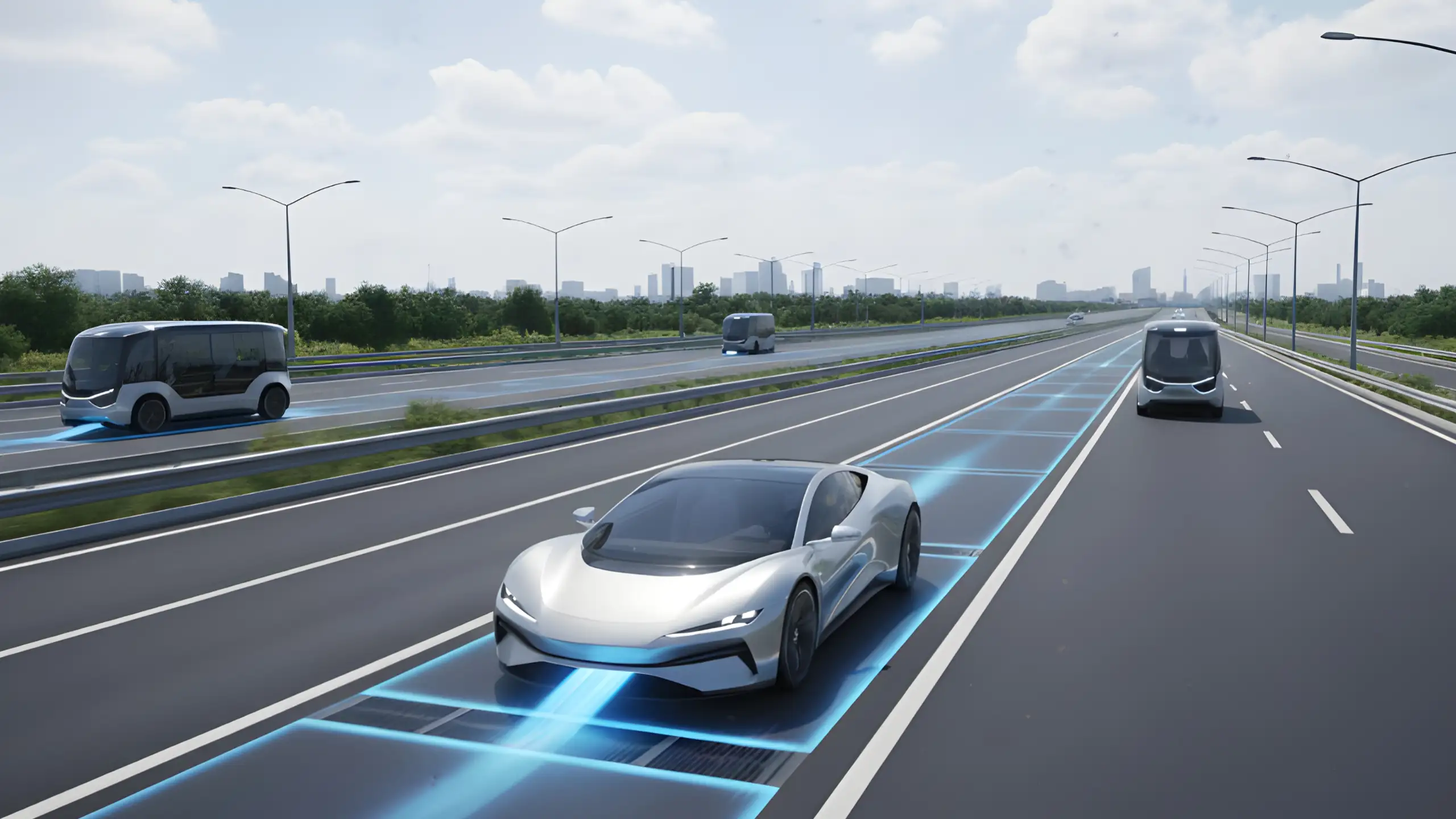
In Central Florida, construction crews are shaping a stretch of highway that could make “low battery” warnings as obsolete as flip phones. State Road 516, a 4.4-mile toll expressway linking Lake and Orange counties, will include a pilot section where electric vehicles charge wirelessly at highway speeds.
The innovation arrives just as EV owners complain about scarce chargers and long waits. This short electrified lane might ease those gripes, though only specially equipped test vehicles will benefit at first, leaving everyday drivers to watch enviously from the next lane.
Range anxiety could fade for future commuters. ENRX’s technology delivers up to 200 kilowatts inductively, enough to add meaningful miles without pulling over.
Local traffic snarls from booming population growth may ease sooner. Parts of the road open by 2027, promising smoother rides long before the charging coils hum to life.
Construction began in 2024 on what the Central Florida Expressway Authority calls its most sustainable project yet. Funds partly stem from Volkswagen’s Dieselgate settlement, turning old emissions fines into cleaner future tech.
Crews have already moved a million cubic feet of dirt for embankments. WFTV got the exclusive site tour in late 2025, where spokesperson Brian Hutchings highlighted tremendous progress.
One segment features solar panels powering lights and tolls. Another includes wildlife crossings to keep Florida’s corridors intact.
The wireless charging pilot spans about three-quarters of a mile in the first phase. Coils embedded under asphalt transfer power like a giant phone charger. ENRX CEO Bjørn Eldar Petersen boasts no competitor matches their high-speed 200kW delivery.
Detroit tested something similar years ago, but Florida scales it for real highways. The full expressway wraps up in 2029, costing over $500 million. Drivers might extend trips without stops, though retrofitting cars with receiver pads remains a hurdle.
Congestion relief hits first, as new lanes connect growing hubs. Hurricanes loom less daunting with added evacuation routes. Solar features offset energy use, keeping the eco-friendly promise.
Short test lane or not, the idea sparks curiosity about roads that multitask. EV skeptics might finally plug in – metaphorically, at least. Until then, gas stations stay busy while this stretch plays the long game.









Leave a Reply