
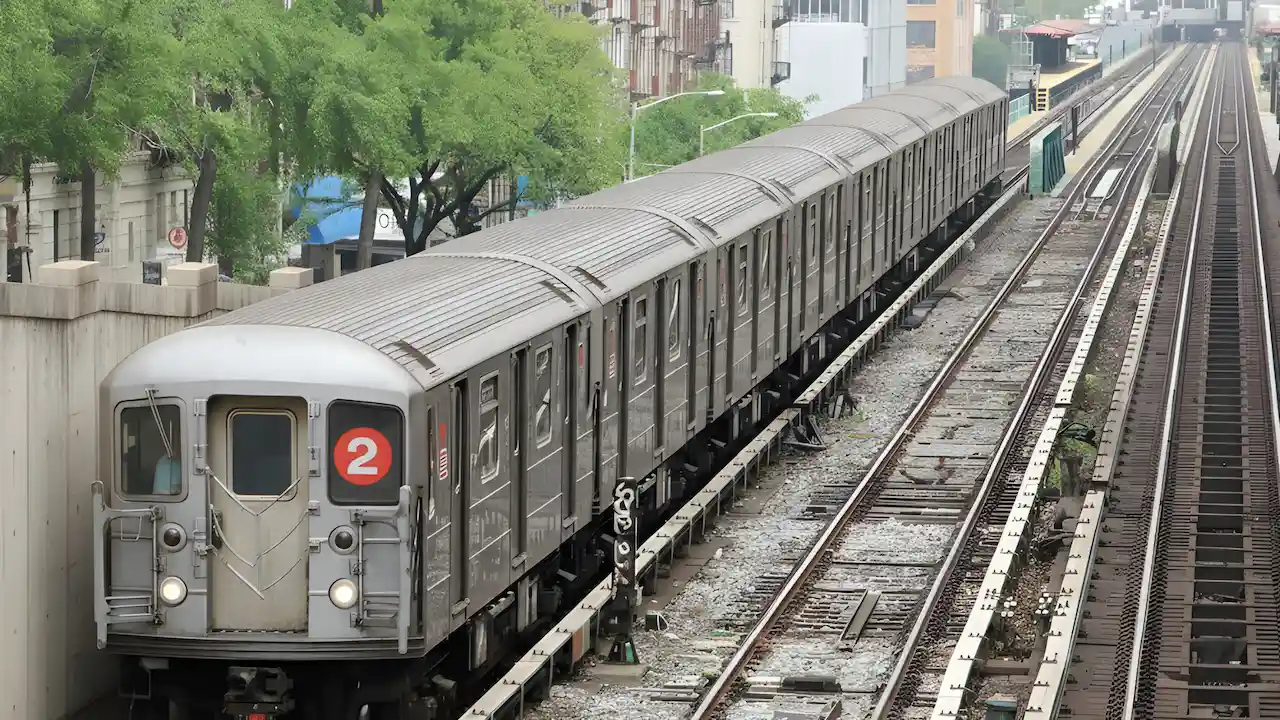
New York City commuters woke up to a slightly emptier wallet this week as the Metropolitan Transportation Authority raised subway and bus fares to $3 per ride starting January 4, 2026.
The modest 10-cent bump, paired with the final farewell to the beloved MetroCard in favor of tap-and-go OMNY, has turned every turnstile into a tiny reminder that nothing stays cheap forever.
For the average straphanger clocking in five days a week, that extra dime means about $260 more annually compared to 2015 fares – enough to buy a few extra lattes or, ironically, a cab ride home when the subway decides to take a personal day.
Frequent riders, however, can take solace in the new rolling seven-day fare cap at $35: pay for 12 trips and the rest of the week is free. It’s the MTA’s way of saying, “We raised prices, but we’re not monsters – just budget-conscious.” Express bus users face a similar story, now capped at $67 for a week of premium misery.
The fare hike completes a years-long transition from the swipeable MetroCard to OMNY’s sleek tap system.
MetroCards, those flimsy plastic relics that once ruled the turnstiles, are now officially unsellable. Existing ones remain valid for a while longer, but good luck finding a refill spot – the MTA is done printing them.
Buses have gone cashless too, except at vending machines, so no more fumbling for quarters while the driver sighs dramatically.
Express buses jumped from $7 to $7.25, and their weekly cap rose to $67. Commuter rails like LIRR and Metro-North saw monthly tickets climb about 4.5 percent, with one-way fares up to 8 percent in some zones.
Regional buses such as NICE and Bee-Line aligned their base fares to $3, ensuring Long Island and Westchester commuters feel the pinch equally.
The MTA insists these increases are below inflation and necessary to keep the trains running – or at least running more often than not.
Critics point out that if adjusted for inflation since 2023, the fare would be around $3.14. The agency opted for $3 instead, perhaps to avoid any pi-related jokes.
OMNY’s big perk is the automatic fare cap: tap 12 times in a week, and suddenly you’re riding for free until Monday. It’s like the system finally learned to reward loyalty without making you buy a monthly pass in advance.
The old 30-day unlimited is gone, replaced by this weekly reset. For heavy users, it’s a win; for casual riders, it’s a gentle nudge toward more frequent trips.
Meanwhile, the OMNY card fee will rise to $2 later in 2026 once MetroCards fully vanish.
New Yorkers have seen fare hikes before, but this one arrives with a side of tech upgrade.
Some commuters mourn the MetroCard’s satisfying swipe; others celebrate ditching the magnetic strip that always demagnetized at the worst moment.
The MTA promises smoother entries and fewer delays from jammed turnstiles.
In a city where delays are an art form, even a 10-cent increase feels like a plot twist in the daily commute saga.







Leave a Reply