
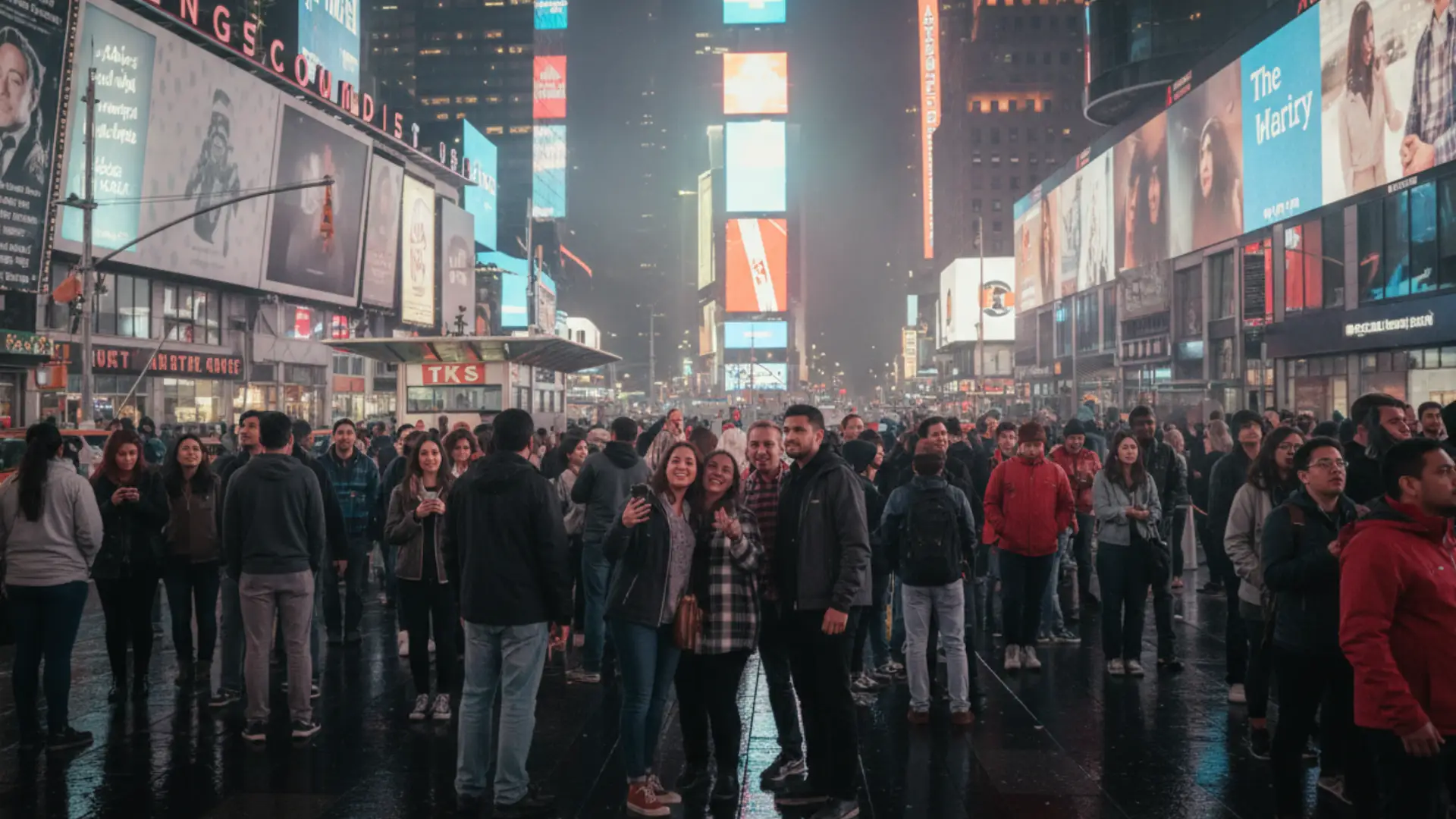
One year into President Trump’s aggressive immigration crackdown, the effects are rippling through everyday American life in ways no one quite expected.
Construction crews hunt for carpenters, hospitals miss incoming doctors, and youth soccer leagues struggle to muster full teams – all as the foreign-born population begins to decline for the first time in decades.
In Louisiana, builders stare at half-finished frames, wondering if projects will ever wrap up on time now that skilled hands from abroad have vanished.
West Virginia hospitals, already stretched thin, quietly shelve plans for new specialists who never arrived.
In Memphis, neighborhood soccer organizers cancel games, staring at empty fields where enthusiastic kids once chased balls in multiple languages.
These shortages highlight how deeply immigrants had embedded in the workforce and communities.
Meanwhile, schools in places like Marshalltown, Iowa, hear fewer dialects in hallways, a subtle shift that feels both quieter and oddly uniform.
The changes promise broader ripples: slower population growth in an aging nation, potential labor crunches in key industries, and a cultural fabric that might feel a tad less colorful.
The Trump administration has pulled every lever to curb immigration.
Borders sealed tighter, legal pathways narrowed, visa fees hiked sharply enough to make applicants wince.
Refugee admissions plummeted to near zero, a figure so low it barely registers on charts.
International student numbers dipped, leaving some campuses with unexpectedly roomy dorms.
Temporary protections from the Biden era rolled back, leaving hundreds of thousands suddenly glancing over shoulders.
Officials boast of over 600,000 expulsions already, though the total foreign-born decline has reached millions when factoring in those who left voluntarily.
Net immigration now hovers around 450,000 annually, per Oxford Economics – a fraction of the two to three million seen in prior years.
The foreign-born share peaked at 14.8 percent in 2024, matching levels not seen since 1890.
Now, it’s shrinking, marking the first drop in over half a century.
White House advisers, including Stephen Miller, openly admire the 1920s restrictions that slashed net immigration to zero and bottomed the foreign-born share at 4.7 percent by 1970.
Miller has called those low-immigration decades the era of America’s undisputed superpower status.
Construction firms find carpenters scarce, as overseas recruits rethink moves.
Hospitals lose out on nurses and doctors who eyed U.S. opportunities but now look elsewhere.
Soccer leagues in immigrant-heavy neighborhoods can’t field teams, with children staying home amid family uncertainties.
In small-town Iowa, public schools once buzzed with 50 dialects; now, translation apps gather dust.
Main Streets notice fewer new shops opening with global flavors.
Corporate boardrooms miss fresh international talent.
Factory floors adjust to thinner labor pools.
Immigration had threaded through American life so thoroughly – from hospital wards to city parks – that unwinding it alters routines in subtle, persistent ways.
Daily life for millions shifts, as the nation experiments with far less influx.
The full picture will unfold slowly, but the early signs suggest a country rediscovering what lower immigration truly means – quieter fields, longer waits for repairs, and perhaps fewer late-night taquerias staying open.






Leave a Reply