
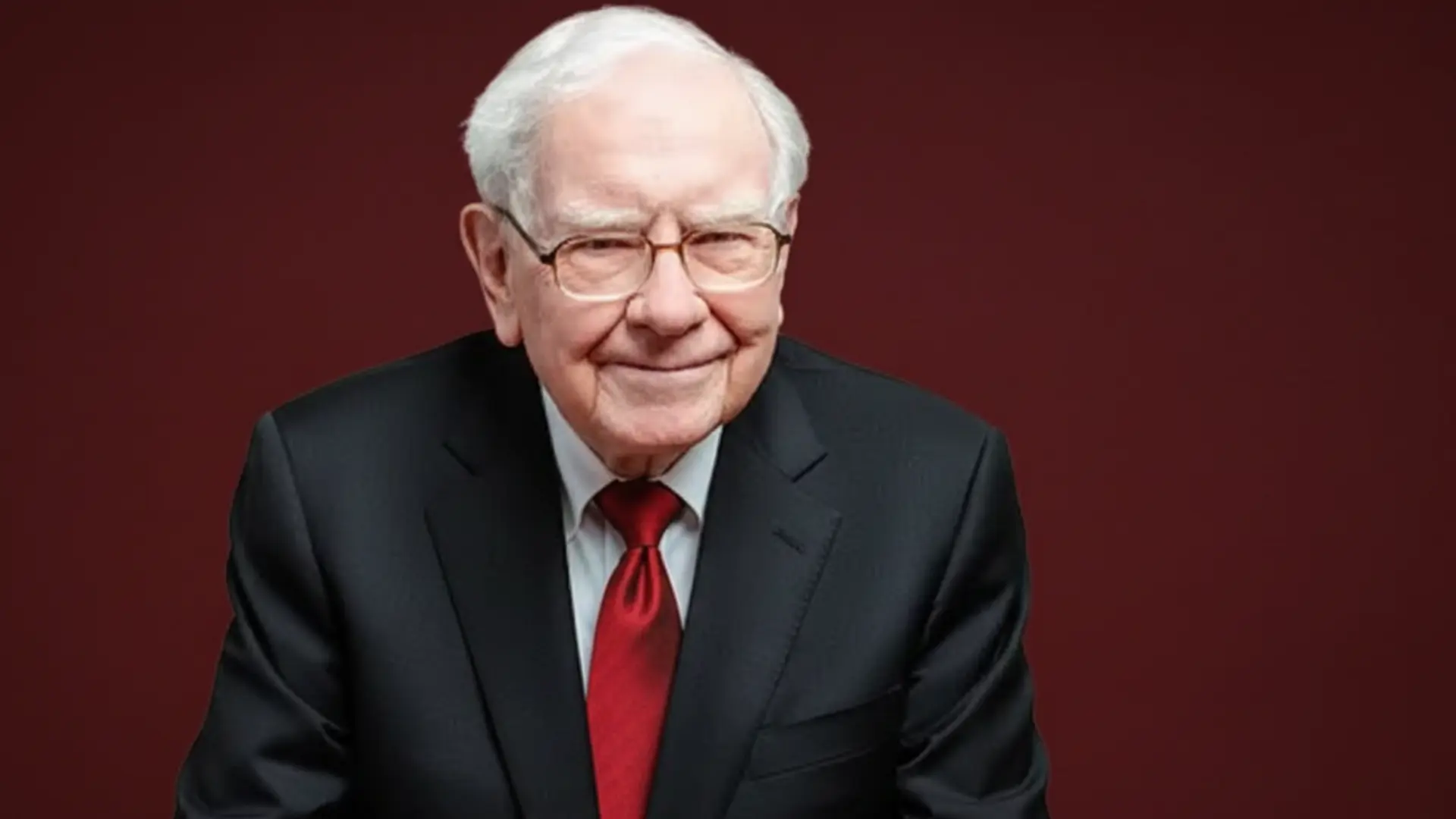
At 95, Warren Buffett, the legendary “Oracle of Omaha,” is stepping down as CEO of Berkshire Hathaway after a remarkable 60-year run, passing the reins to Greg Abel on January 1.
Yet even in retirement, he’s leaving behind a treasure trove of advice that’s as straightforward as it is profound—reminders to avoid losing money, keep investing simple, and perhaps most charmingly, pick a spouse with a sense of humor.
Buffett’s departure marks the close of an extraordinary chapter for Wall Street and everyday investors alike, who have long treated his words like gospel wrapped in folksy charm.
Financial planners are already nodding along, noting how his emphasis on capital preservation and diversification helps clients weather market storms without dramatic flair.
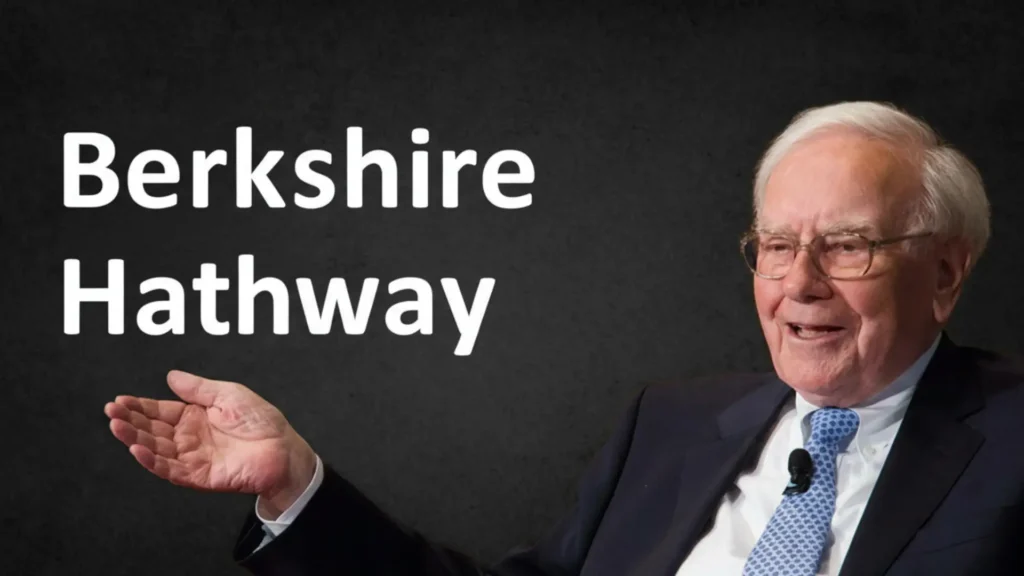
Buffett took control of Berkshire Hathaway back in the 1960s, turning a struggling textile company into a conglomerate powerhouse worth over a trillion dollars.
His secret? Value investing—snapping up undervalued companies at bargain prices.
As he once put it, buy things far below their worth, grab a bunch, and you basically don’t lose money. Simple, really, like ordering Cherry Coke without the fuss.
Experts like certified financial planner Brian Kearns swear by this approach for managing money.
It’s all about growth paired with protecting what you’ve got—finding reasonable deals without betting the farm on one wild idea.
Diversification plays a starring role too.
Mixing asset classes smooths out the bumps, letting you hold steady for the long haul with less heartburn. Buffett’s golden rule remains unforgettable: The first rule of investing is don’t lose money. The second? Don’t forget the first.
He shrugs off big-picture economic guesses. Macro forecasts? They don’t sway his buys, because what’s important must also be knowable—and the economy’s future rarely qualifies.
Certified planner Adam Grossman tells clients the same: Skip the crystal ball; focus on what you can grasp.
Keep it uncomplicated, Buffett urges.
Most folks aren’t pros, so aim for satisfactory returns with low-cost, diversified strategies. No need for fancy swings—just steady hits.
He even advised his wife’s trustee to park 90% in a cheap S&P 500 index fund and 10% in safe bonds. Superior results, he predicted, over high-fee wizards.
On life beyond the ledger, Buffett gets delightfully candid. He once likened chasing resume polish over passion to saving up sex for old age—a delay that misses the point entirely.
Better to chase work you admire, even if you don’t need the paycheck.
Credit cards? Steer clear. Revolving debt at 18-20% interest stalls progress faster than a stalled elevator. If you can’t pay cash, skip the purchase.
Choosing a partner ranks high too. Marry right, he says—prioritize humor, character, brains, or someone with delightfully low expectations—and life turns out well.
Kindness tops his list for greatness. Treat the cleaning lady with the same respect as the chairman. Wealth or power doesn’t define it; helping others does, costless yet invaluable.
Follow the Golden Rule, whether religious or not.
As Buffett steps back—remaining chairman, of course—his legacy endures in these nuggets. Abel steps up to a well-prepared empire, cash pile intact. Investors might miss the annual wit, but the principles? They’ll keep compounding, quietly and reliably.






Leave a Reply