
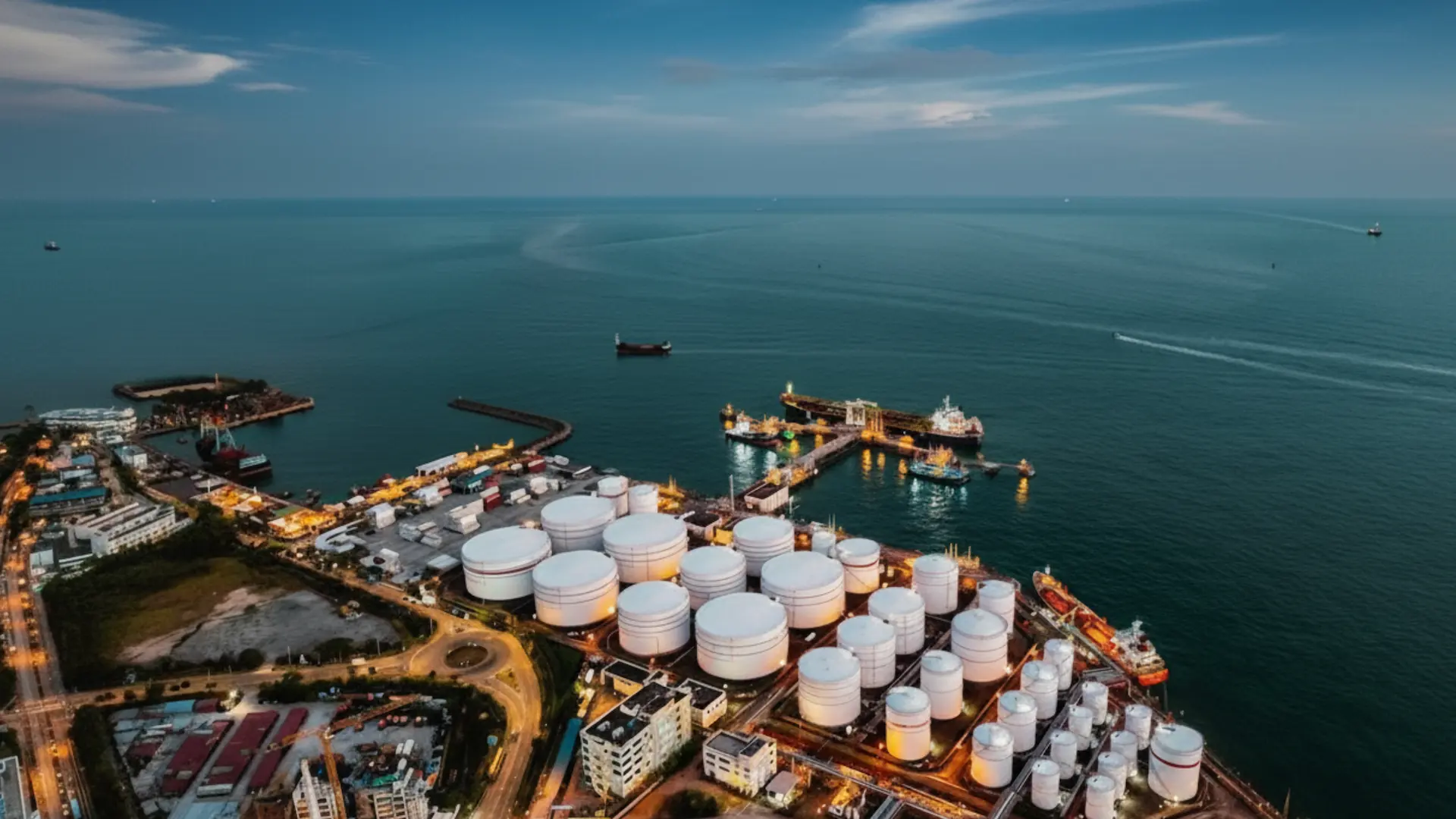
Crude oil prices plunged to levels unseen since early 2021 on Tuesday morning, with Brent dipping below $59 per barrel and WTI briefly under $56. The sharp decline came as an anticipated supply glut gained steam, compounded by advancing peace negotiations in the Russia-Ukraine conflict.
Motorists might soon enjoy even cheaper fills at the pump, though the joy could be short-lived if producers feel the pinch too hard. Oil-dependent economies face budget squeezes, while energy companies contemplate trimming payrolls in a market that suddenly feels like it’s swimming in excess barrels.
Industry executives warn of vanishing drilling activity and a talent exodus, as one survey respondent quipped about the administration seemingly aiming for $40 oil—enough to make even the hardiest roughnecks consider career changes.
Brent crude futures dropped more than 2.8 percent to trade under $58.86. WTI took a steeper 3.1 percent tumble, briefly sinking below $55.
These benchmarks haven’t seen such depths since February 2021. Analysts blame an “extraordinary oversupply” outlook that’s proving stubbornly accurate.
Both grades are on track for annual losses exceeding 20 percent. The market has been awash with fresh supply from multiple corners.
OPEC+ has steadily unwound production cuts. Member nations ramped up output by 2.9 million barrels per day from April through December.
Saudi Arabia led the charge, eager to reclaim market share from rivals. Non-OPEC producers outside the Americas joined the surge as well.
U.S. inventories are projected to keep swelling into 2026, per the Energy Information Administration. Even OPEC’s recent pause on further hikes for the first quarter couldn’t halt the momentum.
The International Energy Agency now sees a 3.8 million barrel per day glut in 2026. Crude tankers afloat are storing over 1 billion barrels, a tally climbing as buyers grow picky.
Dubai crude and U.S. Gulf Coast barrels slipped into contango. Future prices exceed spot, hinting at rising storage costs in a loosening market.
Refined product margins have narrowed too. Crack spreads for gasoline, diesel, and jet fuel weakened as derivative prices softened.
Wall Street remains decidedly bearish. Strategists at JPMorgan and Goldman Sachs predict Brent sliding into the $50s next year—pandemic-era territory.
JPMorgan notes supply outpaces robust demand, a message they’ve repeated since mid-2023. Without deeper cuts from OPEC+ and others, prices could plunge to the $40s or even $30s.
Macquarie analysts admit the downturn has outpaced their already gloomy forecasts. They once called the glut “cartoonishly” oversupplied; now it looks downright animated.
Some potential lifelines exist. U.S. sanctions on Russia’s Rosneft and Lukoil might trim barrels, though discounted oil often finds roundabout paths to China and India.
Progress in Ukraine-Russia talks, including recent security guarantee agreements, raises the prospect of lifted sanctions. That could flood the market with more Russian exports.
Tensions with Venezuela, highlighted by a U.S. tanker seizure, could curb flows there. Buyers steer clear of scrutinized cargoes.
The Federal Reserve’s recent rate cut typically boosts oil via a weaker dollar and growth signals. Yet experts like Rystad Energy’s Claudio Galimberti insist fundamentals dominate.
Dallas Fed surveys reveal growing anxiety among producers and service firms. Respondents fret over financial risks, lost jobs, and a sector that’s “bleeding” support talent.







Leave a Reply