

Three years after ChatGPT ignited global excitement about artificial intelligence, the euphoria is cooling fast. Investors are now questioning whether the trillions pouring into AI will ever deliver matching returns, triggering selloffs in key stocks like Nvidia and Oracle.
The AI frenzy has powered much of the stock market’s recent gains, but cracks are showing—and they’re hitting portfolios hard. When shares of chipmakers and cloud providers tumble on spending reports, broader indexes feel the pinch, reminding everyone that today’s tech darlings can quickly become tomorrow’s cautionary tales.
Bondholders, meanwhile, are getting nervous faster than stockholders, as companies load up on debt for data centers that might take years to pay off. If growth slows even a notch, the rush to the exits could turn orderly retreats into stampedes.
OpenAI, the company that kicked off this madness with ChatGPT, now plans to spend around $1.4 trillion on infrastructure in coming years.
Yet its revenue, while growing impressively to an estimated $20 billion annualized run rate, remains dwarfed by those ambitions.
The firm has secured massive deals, including Nvidia committing up to $100 billion in investments and Oracle agreeing to hundreds of billions in computing power.
These arrangements help fuel data center buildouts, but they also create a web where money circles back to suppliers.
Nvidia supplies chips.
OpenAI buys them in vast quantities.
Nvidia invests in OpenAI to ensure more purchases.
Observers note this setup feels familiar, like certain financing tricks from past tech booms.
Oracle’s shares took a beating recently after revealing higher-than-expected capital spending and slower cloud growth.
Reports surfaced of delays pushing some OpenAI-related data centers to 2028 due to labor and material shortages.
Oracle quickly denied any delays affecting commitments, but the damage was done—stocks dipped anyway.
Big Tech isn’t slowing down.
Alphabet, Microsoft, Amazon, and Meta are on track to spend over $400 billion collectively on capital expenditures in the next year, mostly for AI data centers.
Their revenue from AI services is rising, but not nearly fast enough to cover the outlays.
Depreciation expenses from all those new facilities are climbing sharply, squeezing free cash flow.
By 2026, some projections show Meta and Microsoft facing negative free cash after shareholder returns.
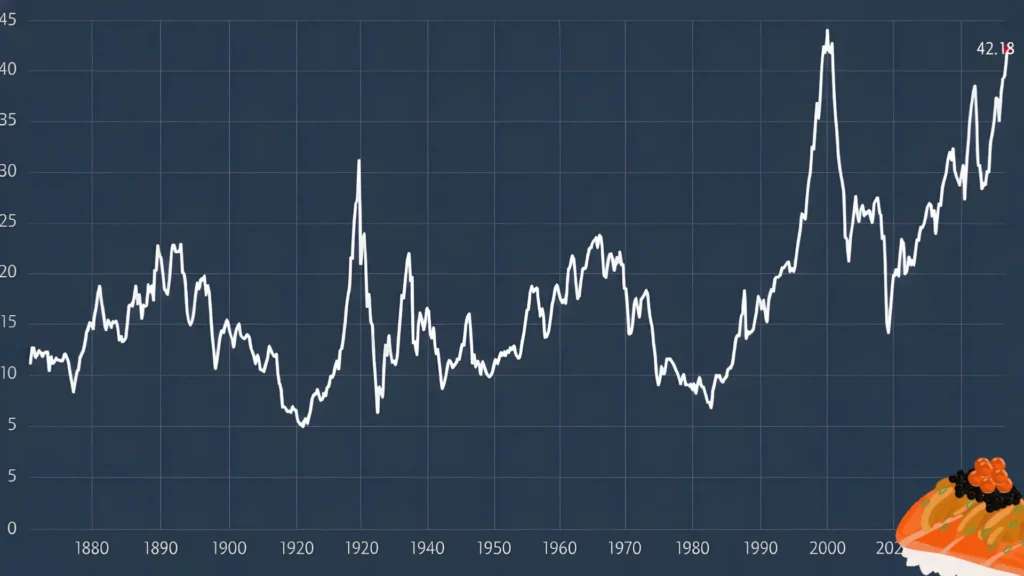
Valuations remain elevated, though not at dot-com extremes.
Nvidia trades below 30 times projected earnings, reasonable given the hype.
But outliers like Palantir, at over 180 times, draw sharper scrutiny.
Investors face a classic dilemma: stick with the leaders betting on transformative technology, or step back before the bill comes due.
Optimists point to ongoing model improvements and pledged commitments.
Pessimists worry the first sign of hesitation could trigger a broad rotation out of the trade.
For now, the money keeps flowing.
But markets have a way of demanding proof when promises grow this large.






Leave a Reply