
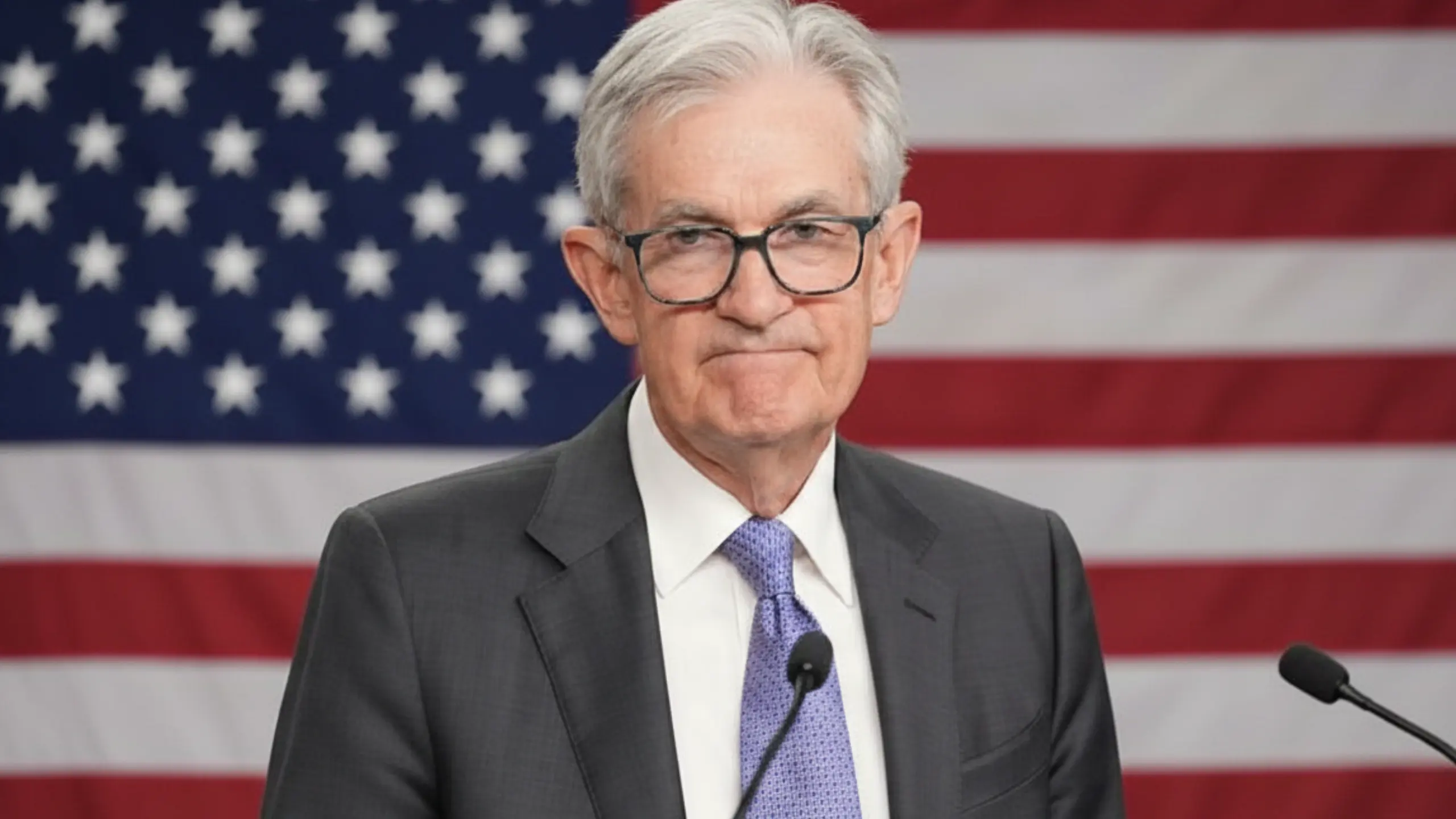
WASHINGTON—In what looked like a routine quarter-point rate cut, the Federal Reserve instead delivered high drama Wednesday when two policymakers voted no—one wanting a bigger cut, the other wanting none at all—turning the normally soporific FOMC meeting into the monetary policy equivalent of a family Thanksgiving argument.
The rare double dissent, the first of its kind in years, left Chair Jerome Powell doing what he does best: smiling tightly in a purple tie while explaining that reasonable people can, in fact, disagree about whether the economy is careening toward recession or merely taking a leisurely victory lap.
Powell himself called the decision “a close call” and admitted he could “can make a case for either side,” which is central-banker speak for “I aged ten years in that room.”
The immediate impact on markets was predictably calm—stocks yawned, bonds shrugged—because traders have seen this movie before. The longer-term impact, however, could be spicy.
With Powell’s term ending in May 2026 and President Trump reportedly ready to name a successor before the eggnog goes on sale, the next Fed chair will inherit a committee that currently agrees on exactly one thing: they all like free lunch in the boardroom.
Details from the meeting summary paint a committee that reads the same data and somehow sees two different movies. The hawkish dissenter apparently believes inflation is still lurking in the shadows like a horror villain who refuses to die. The dovish dissenter, meanwhile, seems convinced the economy is one disappointing payroll report away from needing smelling salts.
Analysts noted the dot plot—the Fed’s anonymous forecast of future rates—now spans a comically wide range, the biggest dispersion in years. Translation: some officials think we’ll be cutting rates into 2025 like it’s a Black Friday sale, while others are ready to slam on the brakes before the turkey is even carved.
Bankrate’s Stephen Kates summed it up neatly: entering 2026 with new leadership atop an already divided committee is like changing pilots mid-flight during turbulence—technically doable, but nobody’s fighting for the window seat.
Powell insisted the dissents reflect “respectful differences of opinion.” Observers translated that as “please don’t make me mediate this for the next five meetings.”
Three policy meetings remain on Powell’s calendar before his term expires. Treasury Secretary Scott Bessent suggested Trump could announce the nominee before Christmas, giving markets an early holiday gift wrapped in uncertainty.
The next chair— whoever survives the Senate confirmation process—will wield outsized influence precisely because consensus has gone missing along with everyone’s holiday cheer. When the committee is this split, the person in the middle seat gets to decide whether the plane climbs, dives, or simply circles the airport arguing about the playlist.
Markets, for now, are pricing in one or two more cuts in 2025. But with the same confidence they predict tomorrow’s weather: mostly right, occasionally soaked.






Leave a Reply