
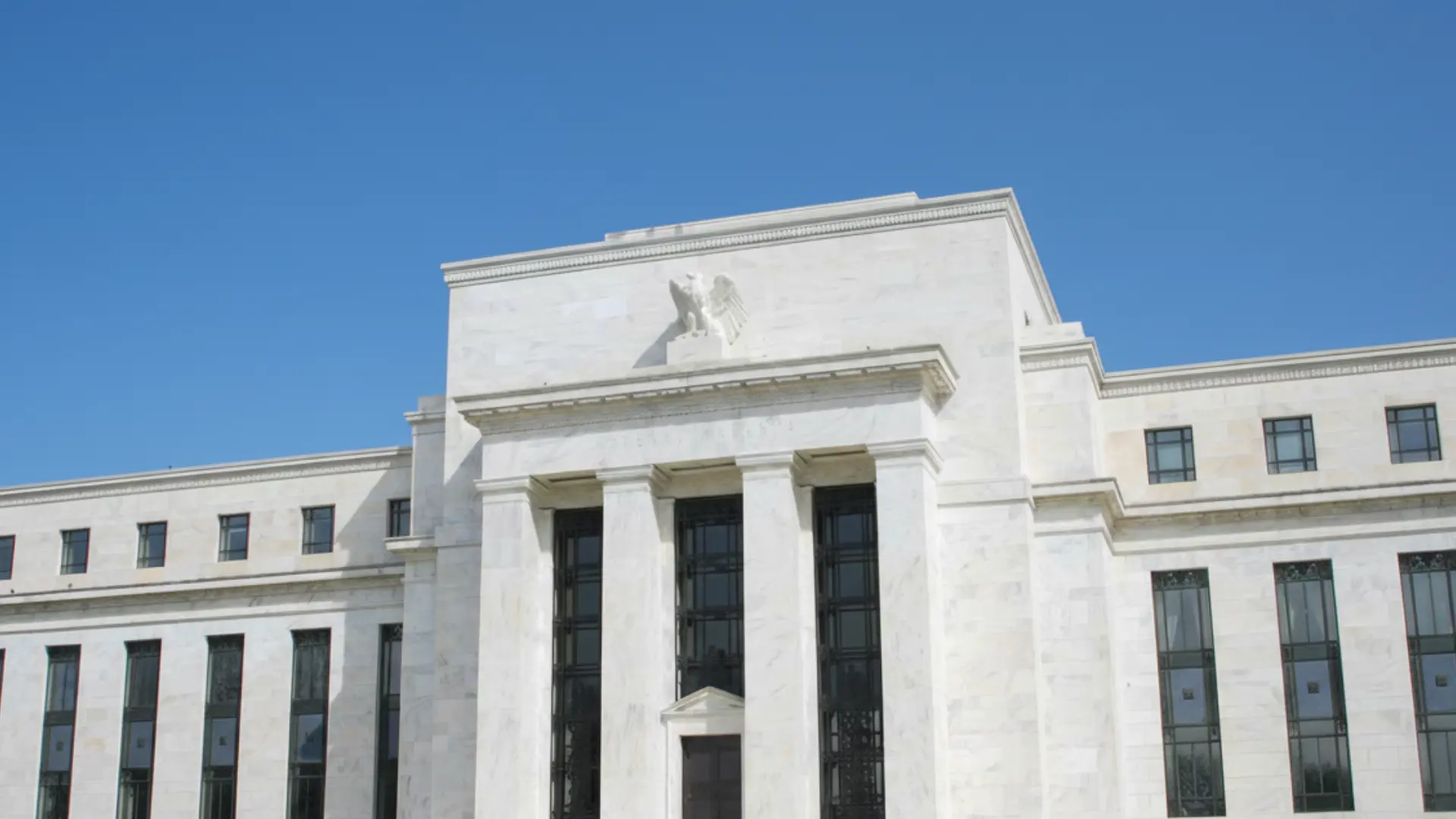
WASHINGTON –The Federal Reserve has, for the first time in three years, made slightly more money than it lost. The central bank’s infamous $243 billion “deferred asset” – essentially an IOU to itself – shrank by a whopping $600 million since November 5, proving that even glaciers can technically move if you stare long enough.
After thirty-six straight months of hemorrhaging cash faster than a Vegas bachelor party, the Fed has apparently located the off switch on its money incinerator.
The turnaround is so modest that celebrating would require a microscope and a very patient accountant. Still, the deferred asset dropping from $243.8 billion to $243.2 billion marks the first backward tick since the whole unfortunate adventure began.
For context, the U.S. Treasury has grown accustomed to receiving roughly $80–100 billion a year from the Fed like clockwork. Since September 2022 that spigot has delivered exactly nothing, forcing budget planners to survive on only several trillion dollars from taxes instead. Officials describe the adjustment as “mildly inconvenient, like losing the free office snacks.”
Economists predict the deferred asset could take the better part of this decade to disappear entirely, meaning Treasury remittances will remain zero until roughly the time today’s kindergarteners start paying off their student loans.
During the pandemic the Fed went on the greatest bond-buying bender in human history, ballooning its balance sheet to $9 trillion while interest rates were near zero. Then inflation arrived, the Fed hiked rates to 5.5%, and suddenly it was paying banks more on reserves than it earned on those same zero-yielding bonds it bought when everyone was panic-hoarding toilet paper.
Classic “bought high, sold never” situation, except the Fed can’t actually sell without causing Armageddon, so it just sits there paying the difference out of pocket.
Rate cuts have finally pushed the interest it pays banks below what new bonds yield. Translation: the Fed is now losing money slightly more slowly than a sloth on sedatives.
Bill Nelson, former Fed insider turned lobbyist economist, projects the twelve regional Reserve Banks could combine for over $2 billion in profit this quarter alone. That’s real money – enough to buy approximately fourteen F-35 jets or one decent house in San Francisco.
Analysts note the bleeding stopped almost exactly when the Fed trimmed its interest-on-reserves rate in October. Pure coincidence, surely, that the patient improved the moment the doctor lowered the leeches’ salary.
Deutsche Bank’s Matthew Luzzetti observes that market yields have finally crept above what the Fed pays banks, allowing profits to trickle back like a faucet that’s been closed for three years and is now opened one heroic millimeter.
Some lawmakers continue to grumble that paying interest on reserves amounts to a subsidy for the financial sector. The Fed counters that it’s simply the cost of keeping short-term rates where it wants them, the same way gravity is the cost of keeping everyone from floating away.
Fed officials repeat their traditional mantra that profits and losses have zero impact on monetary policy decisions. They deliver this line with the serene confidence of someone who just explained why the yacht’s fuel bill shouldn’t affect navigation choices.
For now, the central bank celebrates its tiny victory the only way it knows how: by updating a spreadsheet and scheduling another meeting to discuss the spreadsheet.






Leave a Reply