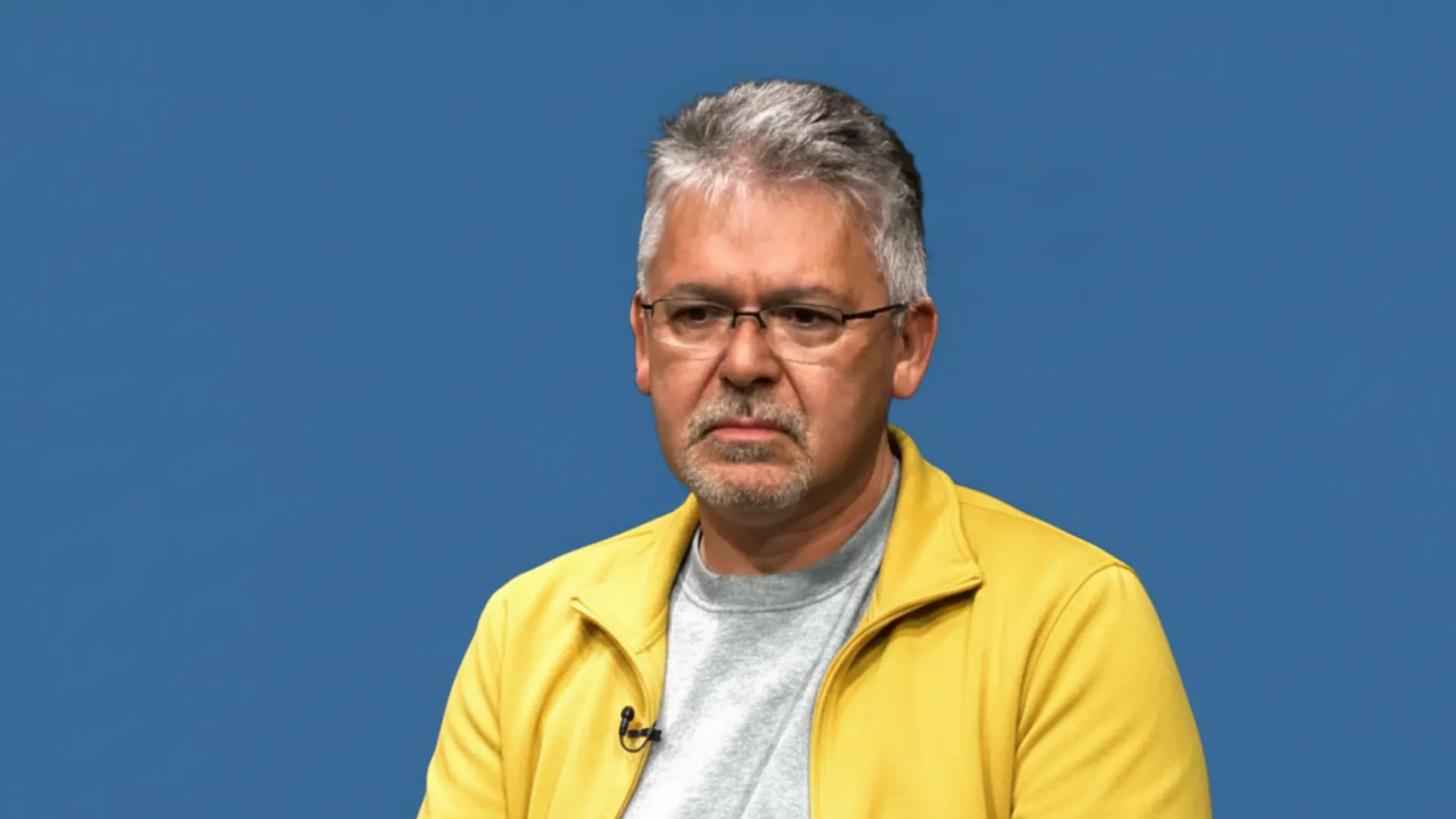
Apple has fired its top AI guru, John Giannandrea, and poached a hotshot from Microsoft to whip Siri into shape—because apparently, even the voice of your iPhone needs a motivational speaker these days.
The shake-up, announced this week, comes as Apple’s AI dreams lag behind the feverish frenzy of ChatGPT updates and Google’s Gemini glow-ups, leaving investors wondering if Cupertino’s been napping through the tech arms race.
This personnel pivot isn’t just deck-chair rearranging on the Titanic—it’s Apple’s cheeky reminder that while rivals burn cash like it’s going out of style, the iPhone empire can afford to sip its latte and plot.
Strong holiday iPhone sales mean Tim Cook’s war chest is fuller than a Black Friday cart, buying time to craft an AI that’s as polished as a keynote demo, not some glitchy beta begging for forgiveness.
But here’s the punchline: in a world where AI hype has everyone promising to cure boredom, Apple’s delay might just save it from the hall of shame where botched rollouts go to die. Investors see this as a reset button, potentially juicing stock sentiment without the drama of boardroom cage matches.
Picture the boardroom at Apple Park: polished apples on the table, but the real fruit of discussion? A leadership swap that feels like trading a reliable sedan for a rocket ship.
John Giannandrea, the Scottish brain behind Apple’s AI for six years, steps aside after overseeing Siri’s stumbles—like promising to book your dinner reservation but ending up ordering existential dread instead.
Enter Amar Subramanya, the Microsoft import with a resume longer than a software license agreement: 16 years at Google, where he engineered the Gemini assistant, turning it from a quirky sidekick into a search-savvy powerhouse.
Wedbush analyst Dan Ives, Apple’s perpetual cheerleader, calls it a “major reset,” predicting a hiring spree to flood the AI labs with fresh talent. Because nothing says “we’ve got this” like poaching from the very companies you’re chasing.
Tensions simmer as Siri 2.0, hyped with “Apple Intelligence” flair, slinks to a 2025 debut—delayed again, like that one friend who swears they’ll be on time next week.
Meanwhile, OpenAI’s Sam Altman rallies his troops against Google’s barrages and Anthropic’s ambushes, all while burning venture bucks faster than a meme stock pump.
Apple? It watches from the velvet rope, ecosystem intact, users loyal as golden retrievers. Why build the engine when you can tune the dashboard?
The real intrigue brews in a brewing partnership: Apple cozying up to Google’s Gemini to supercharge Siri, essentially outsourcing the brains while keeping the beauty.
It’s a move straight out of Steve Jobs’ playbook—design the interface that makes AI feel like magic, not middleware drudgery. After all, who needs to code the future when you can curate it?
Critics grumble about the “invisible AI strategy,” with innovation output thinner than a vegan menu at a steakhouse. But Apple’s virtue? Sidestepping the early pitfalls, like those viral AI fails where chatbots counsel jumping off bridges instead of bridges to nowhere.
Subramanya’s arrival hints at more: expect a parade of hires turning Apple Park into an AI talent magnet, all while iPhone sales hum along, oblivious to the panic.
And in this high-stakes game of digital tag, Apple’s playing the long con—letting foes exhaust themselves in the sprint, then gliding in with features so seamless, you’ll wonder why you ever yelled at your phone.
The board’s betting big: this isn’t catch-up; it’s checkmate, served with a side of wry Silicon Valley schadenfreude.
As Ives notes, the elephant’s finally trumpeting—now, can Apple make it dance?
Leave a Reply