
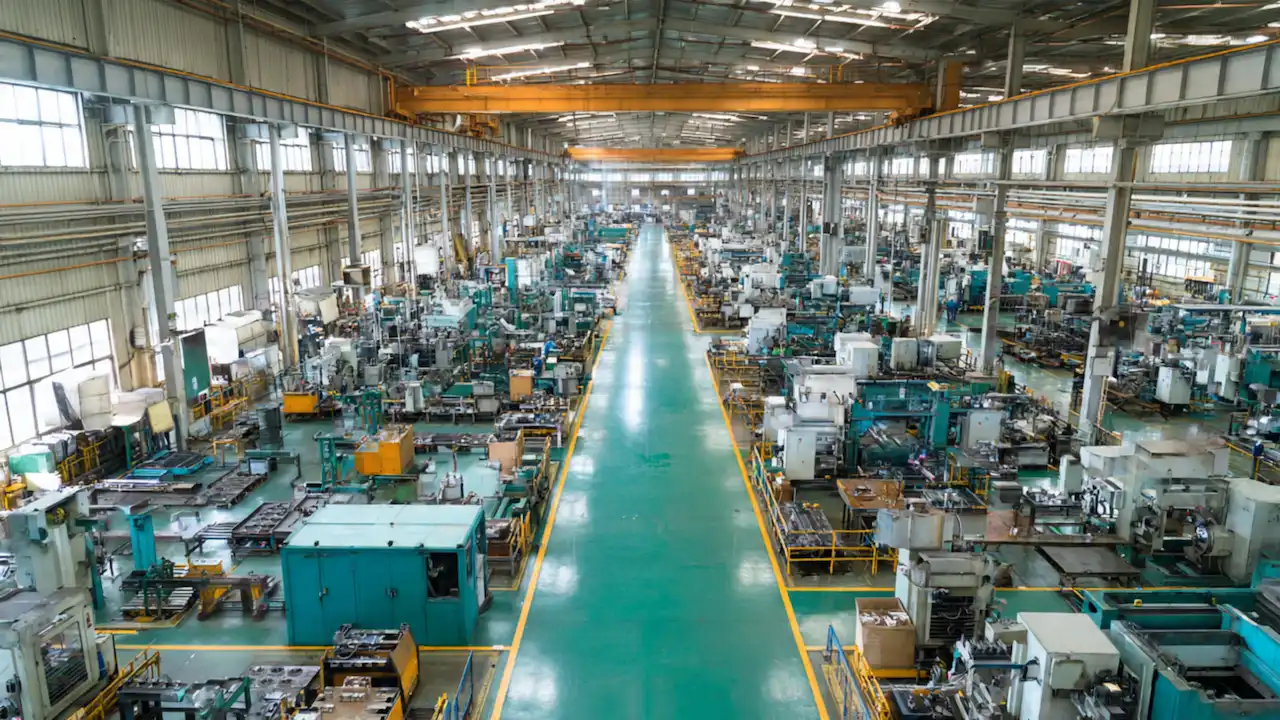
Beijing, November 30 – China’s factories have once again politely declined to grow, posting a manufacturing PMI of 49.2 and extending their record-breaking contraction streak to eight consecutive months.
In a surprise to absolutely no one who has been paying attention, the world’s second-largest economy continues to perfect the art of slowing down in slow motion.
The news arrives like a hangover after a modest stimulus party: everything hurts a little, but everyone insists they’re still on track to stumble home before midnight.
The non-manufacturing index joined the contraction club with a 49.5 reading, its first sub-50 appearance since the days when people still believed “zero Covid” might actually be zero. Real estate led the plunge with the grace of a shopping mall built on quicksand.
Retail sales, meanwhile, slowed for the fifth straight month – the longest such streak since shops were literally ordered shut during the pandemic. Chinese consumers appear to have collectively decided that revenge spending was so 2022.
Exports unexpectedly shrank last month. Global demand apparently looked at the shipping schedule to the United States, shrugged, and ordered from someone else.
On the bright side, Presidents Trump and Xi managed to pause their trade war long enough for a photo-op in South Korea. Sources close to the negotiations describe the truce as “fragile yet photogenic,” with rare-earth shipments still awaiting their close-up.
A fresh diplomatic spat with Japan has been thoughtfully added to the mix, because nothing says “stable outlook” like contemplating economic countermeasures against yet another trading partner.
Policymakers in Beijing greeted the gloomy data with the serene confidence of parents watching their teenager attempt parallel parking. Having already disbursed a tidy trillion yuan in stimulus since September, officials have declared the patient “stable enough” and gone back to perfecting their five-year plan.
That plan continues to list technology and manufacturing as top priorities while promising to “significantly” boost consumption. Net exports, which contributed nearly a third of this year’s growth, were unavailable for comment.
Analysts now forecast China’s weakest quarterly growth since the grand reopening, when the entire country discovered that three years of lockdowns had not, in fact, created pent-up demand for luxury handbags.
Yet somehow, miraculously, the official 5% growth target for 2025 still looks within reach – much like that last slice of pizza that everyone swears they don’t want but will definitely fight over at 2 a.m.
Factory managers across the mainland have reportedly updated their group chats with a single weeping emoji followed by the shrugging one, achieving peak millennial economic indicator.






Leave a Reply