
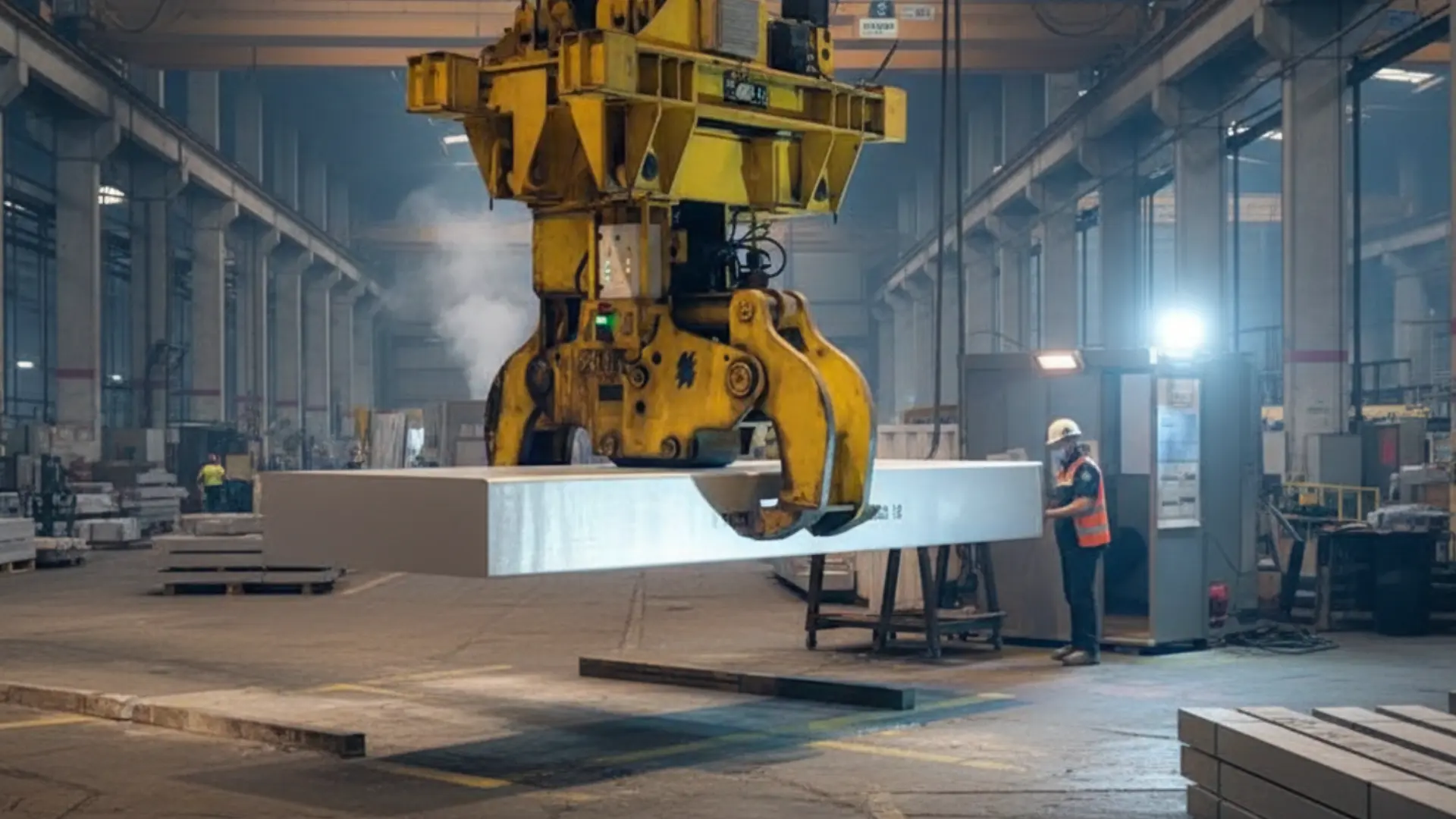
Washington, DC — In a development that reads like a tragicomic love triangle between Big Tech, electricity, and shiny metal, the same data centers fueling the AI revolution are accidentally choking the American aluminum industry they desperately need.
The result is a booming aluminum price paired with a domestic industry that can barely keep the lights on — literally.
Demand for aluminum has rarely looked better. Server racks, cooling units, electric-vehicle bodies, and even the power lines carrying all that sweet, sweet computing juice rely heavily on the lightweight metal, sending shares of Alcoa and Century Aluminum comfortably into the green this year.
Yet every time Amazon or Microsoft signs another eye-watering power contract at triple-digit rates per megawatt-hour, somewhere an aluminum executive feels a little piece of his margin die.
Producing one ton of fresh aluminum swallows enough electricity to run an average American home until roughly the heat death of the universe — or at least until the next iPhone release, whichever comes first.
A single new smelter would happily drink as much power annually as the entire city of Boston, assuming Boston suddenly developed a strong taste for 1,700-degree molten metal.
Smelters prefer their electricity like they prefer their contracts: long-term, predictable, and ideally priced somewhere south of a nice dinner for two. Big Tech, meanwhile, treats megawatt-hours like limited-edition sneakers and happily camps overnight for the drop.
Alcoa’s finance chief Molly Beerman put it with the weary tone of someone watching teenagers bid up their childhood home on Zillow: “We are now today competing with Amazon and Microsoft, who are willing to pay over $100 per megawatt-hour.”
Century Aluminum responded the only way a sensible industrialist can: by locking in power through 2031 in South Carolina faster than you can say “please don’t let the data centers find this utility.”
Alcoa is reportedly pondering whether some of its power plants might simply be more valuable feeding servers than melting bauxite. Nothing says “pivot to growth” like considering selling the furnace to the very industry that outbid you for the gas.
Overseas producers are watching the drama with popcorn. China, which smelts roughly 60% of the world’s aluminum while humming the tune of very cheap coal power, can barely contain its glee. Indonesia is also ramping up, because apparently everyone wants in on the fun except countries with expensive electrons.
The Aluminum Association has delivered the kind of understated plea usually reserved for congressional testimony: five new smelters, $25 billion, and a five-year attention span from Washington, please. Government officials nodded thoughtfully, then immediately asked ChatGPT whether aluminum grows on trees.
For now, America’s six remaining smelters — only four of which are actually awake — produce less than 1% of global supply. At full tilt they could cover about one-third of domestic needs, which is industry speak for “please send help and possibly a small nuclear reactor.”
As aluminum prices flirt with three-year highs and Goldman Sachs calmly predicts a 15% drop by late 2026, the U.S. aluminum sector finds itself in the world’s most expensive catch-22: desperately wanted, impossibly expensive to make, and outbid for juice by the very customers knocking down the door.






Leave a Reply