
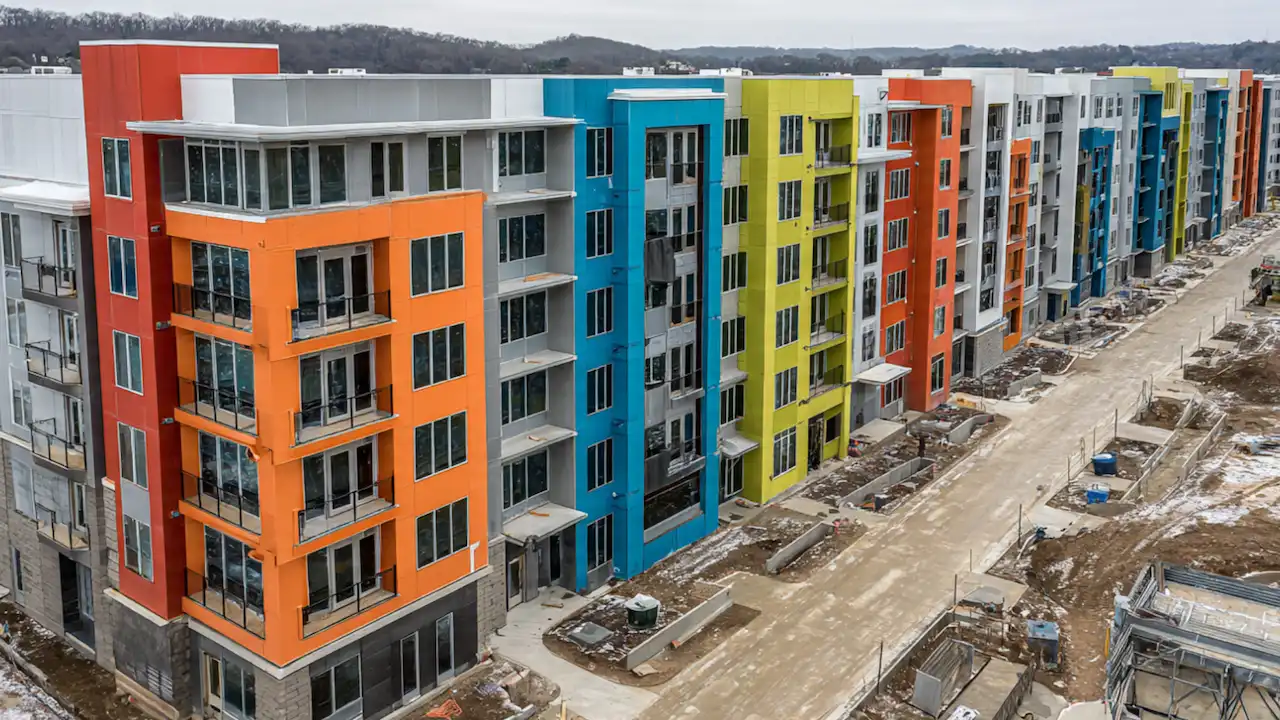
After half a decade of watching their rent climb faster than their salaries (and their souls quietly leaving their bodies), American renters have stumbled into an unfamiliar feeling: victory. For the first time since the pandemic turned every lease renewal into a hostage negotiation, median rents are actually falling.
October’s median rent for zero- to two-bedroom units slipped 1.7% year-over-year to $1,696, now 3.6% below the 2022 summit that still haunts group chats everywhere.
The relief is sweetest in the Sun Belt cities that spent the last few years building apartments the way teenagers build Fortnite structures—rapidly and with questionable long-term planning. Denver, Phoenix, Jacksonville, and poor Austin (down a brutal 7.9% this year alone) are watching landlords compete like Black Friday doorbusters.
In Denver, one-bedroom units that once demanded $2,000 with the confidence of a Michelin-starred restaurant now list closer to $1,500 and throw in 8–12 weeks free because dignity is apparently optional.
Homeownership, meanwhile, has entered its villain era. Mortgage rates above 6%, nosebleed home prices, and “hidden costs” now averaging $16,000 a year have turned the American Dream into the American Spreadsheet Nightmare.
CBRE calmly calculated that owning currently costs 108% more per month than renting—meaning you pay double for the privilege of fixing your own toilet at 2 a.m.
Renewal rates are soaring because leaving a reasonably priced apartment feels like breaking up with a partner who suddenly started doing the dishes and paying for Netflix.
Real estate agents in Denver report tours that no longer end with the unit vanishing before the Uber ride home. Some tenants have grown so spoiled they now receive renewal gifts of free rent weeks, like landlords are scared of being ghosted.
One Austin tenant, Sarah Nazarie, politely showed her landlord market data proving everyone else had slashed rents 19–23%. The landlord agreed to drop her two-bedroom from pandemic-peak $2,845 to a more civilized $2,200, possibly out of pity or fear she’d start a tenant union.
Another Austinite, Meagan McArthur, spotted her identical neighbor’s unit listed $200 cheaper, threatened to move ten feet away, and watched management fold faster than a lawn chair.
Landlords insist they’re “just offering incentives,” which is corporate speak for “please love us again.”
Economists note the buy-versus-rent math currently favors renting so heavily that owning a home feels like volunteering to set money on fire for the cozy ambiance.
Some renters admit they’ll miss the emotional satisfaction of complaining about rent hikes when the chief complaint becomes choosing between 47 identical luxury buildings offering rooftop dog spas.
For now, tenants across the country are doing what anyone would do after years of trauma: renewing leases, pocketing the free months, and quietly extending their “five-year plan” to buy a house into a “maybe when I’m 50” plan.







Leave a Reply