
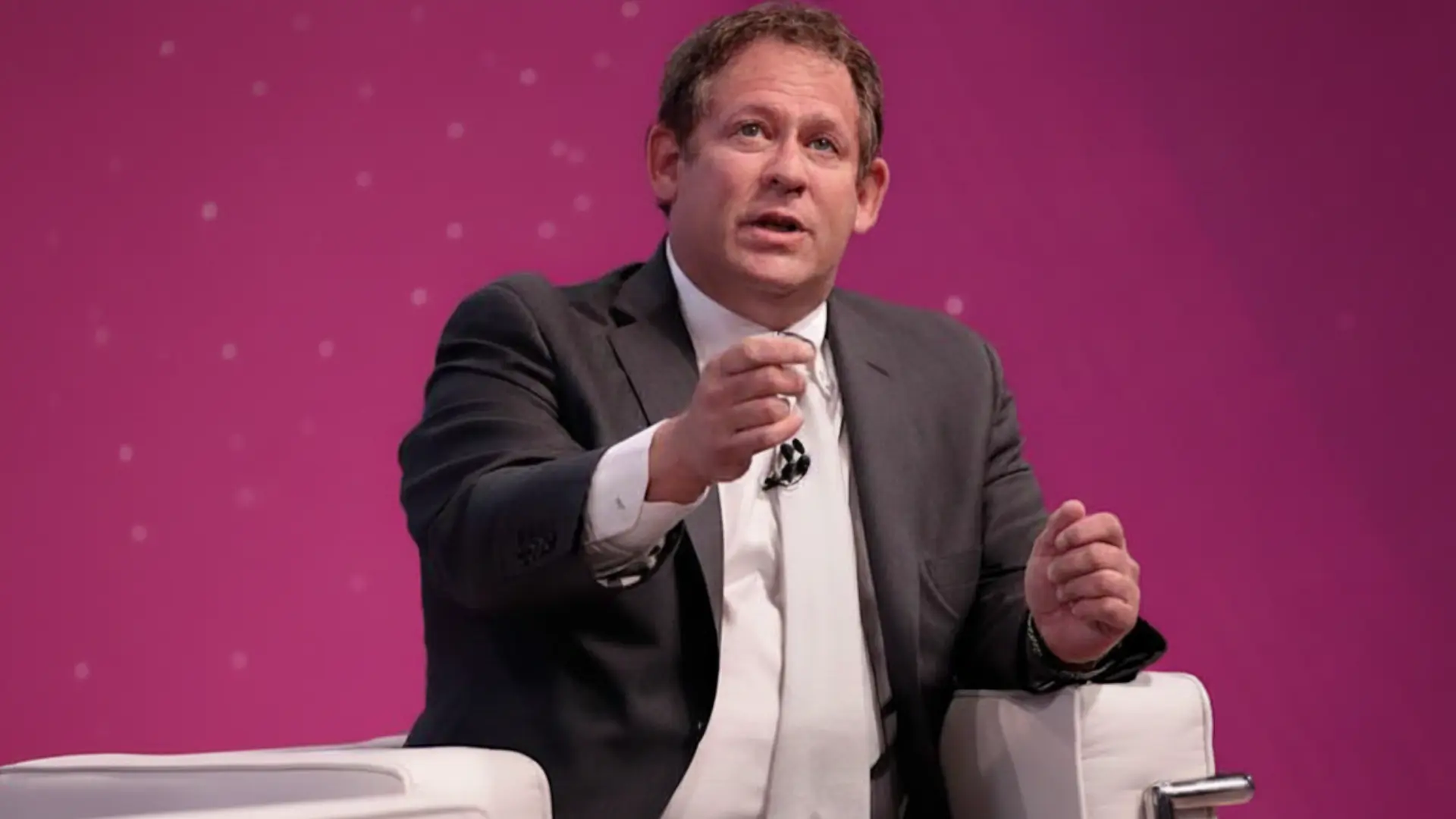
In a Oval Office revelation that sent economists scrambling for their calculators, President Trump announced he has a frontrunner in mind to oust Federal Reserve Chair Jerome Powell—whose term wraps up in May—though unnamed forces are politely suggesting he pump the brakes on an immediate eviction notice.
It’s the kind of insider scoop that makes Wall Street whisper, “Who needs term limits when you’ve got Trump’s Twitter-era impatience?”
The ripple effects of this chair swap could turn your savings account into a savings adventure, where interest rates dip like a poorly timed yo-yo diet, potentially juicing consumer spending just in time for holiday regrets. Advisors warn that the wrong pick might unleash inflation gremlins on the dollar, turning that crisp Benjamin into a wilted salad leaf, while the right one could steady the ship—or at least keep it from listing toward stagflation harbor.
Picture a central bank suddenly helmed by someone who views tariffs as a brief price hiccup rather than a perpetual sneeze. Markets might applaud with a rate-cut rally, but only if the new boss doesn’t spark a policy tango with the White House that leaves independence looking like a quaint museum piece.
Treasury Secretary Scott Bessent, playing matchmaker with a Rolodex of economic heavyweights, has corralled the process into a tidy shortlist of five: Fed Governors Chris Waller and Michelle Bowman, ex-governor Kevin Warsh, National Economic Council Director Kevin Hassett, and BlackRock’s fixed-income maestro Rick Rieder. Trump let slip last week that he’s leaning hard toward Bessent himself—despite the secretary’s repeated, polite echoes of “Thanks, but no thanks.”
Bessent’s interviews have been the stuff of polite boardroom tension, like a family dinner where everyone’s eyeing the same slice of pie. Trump plans sit-downs with the finalists soon, but whispers from former advisor Steve Moore frame it as a stealth three-way tussle: Warsh, Hassett, and the reluctant Bessent, who might just cave if the president deploys that trademark stare.
Hassett, Trump’s economic whisperer from the first administration, leads the pack per Bloomberg insiders, his Rolodex thicker than a tax code. He skewers the Fed’s past blunders—like dubbing pandemic price spikes “transitory” while stimulus checks flew like confetti—with the precision of a surgeon who’s also moonlighting as a stand-up comic. “House-cleaning time,” he quips, eyeing lower rates to counter the government’s shutdown-induced growth hiccup, even floating a bold 50-basis-point slash in December.
Enter Waller, the insider’s insider, already bunkered at the Fed since Trump’s first-term nod. He was the bold first to holler for rate relief in July, fretting more over a sputtering job market than inflation’s stubborn jog. Tariffs? Mere one-off zingers to him, not the gift that keeps on giving to price tags. His recent chat with Bessent was all sunshine: “They want merit and experience—I check both boxes, like a well-tailored suit.”
Bowman brings a deregulatory zeal that’s got banks toasting her name. She’s slashing staff by 30%, tweaking stress-test secrets into the open, and nixing capital hikes that could crimp lending like a bad haircut. Appointed by Trump once before, she pencils in three cuts this year, her “fragility” alarm for jobs ringing louder than inflation’s doorbell.
Warsh was once the belle of the ball earlier this year. Now he’s penning Wall Street Journal missives blasting Powell’s “unwise choices” and touting AI as inflation’s secret slayer, not government printing presses run amok. Trump courted him eight years back, only to pivot—history, it seems, loves a sequel.
Rieder, the bond baron juggling $2.4 trillion like a circus act, rounds out the field with a labor-market lament. Strip away healthcare hires, he says, and summer job growth vanished faster than a magician’s rabbit. Yet he’s bullish on corporate resilience, urging December cuts before labor’s “tricky” displacement turns into a full parade.
Moore boils it down to brass tacks: The pick must battle inflation back to 2% and shield the dollar from its slide, lest we all trade greenbacks for chocolate coins. Analyst Jaret Seiberg tips Warsh for the edge, with Hassett’s White House proximity a close second—Waller as the safe, dove-lite compromise. None are soft on policy; they’d square up to Trump if prices perked up, turning the Fed into less a rubber stamp and more a spirited debate club.
As interviews loom, the air crackles with that familiar Trumpian blend of loyalty and leverage. Bessent demurs, but Moore smirks: “He won’t say no if asked.” In this economy of endless variables, one thing’s clear—the next chair won’t just steer the ship; they’ll have to dodge icebergs named “partisan optics” and “AI wild cards” with the finesse of a tightrope walker in loafers.




Leave a Reply