
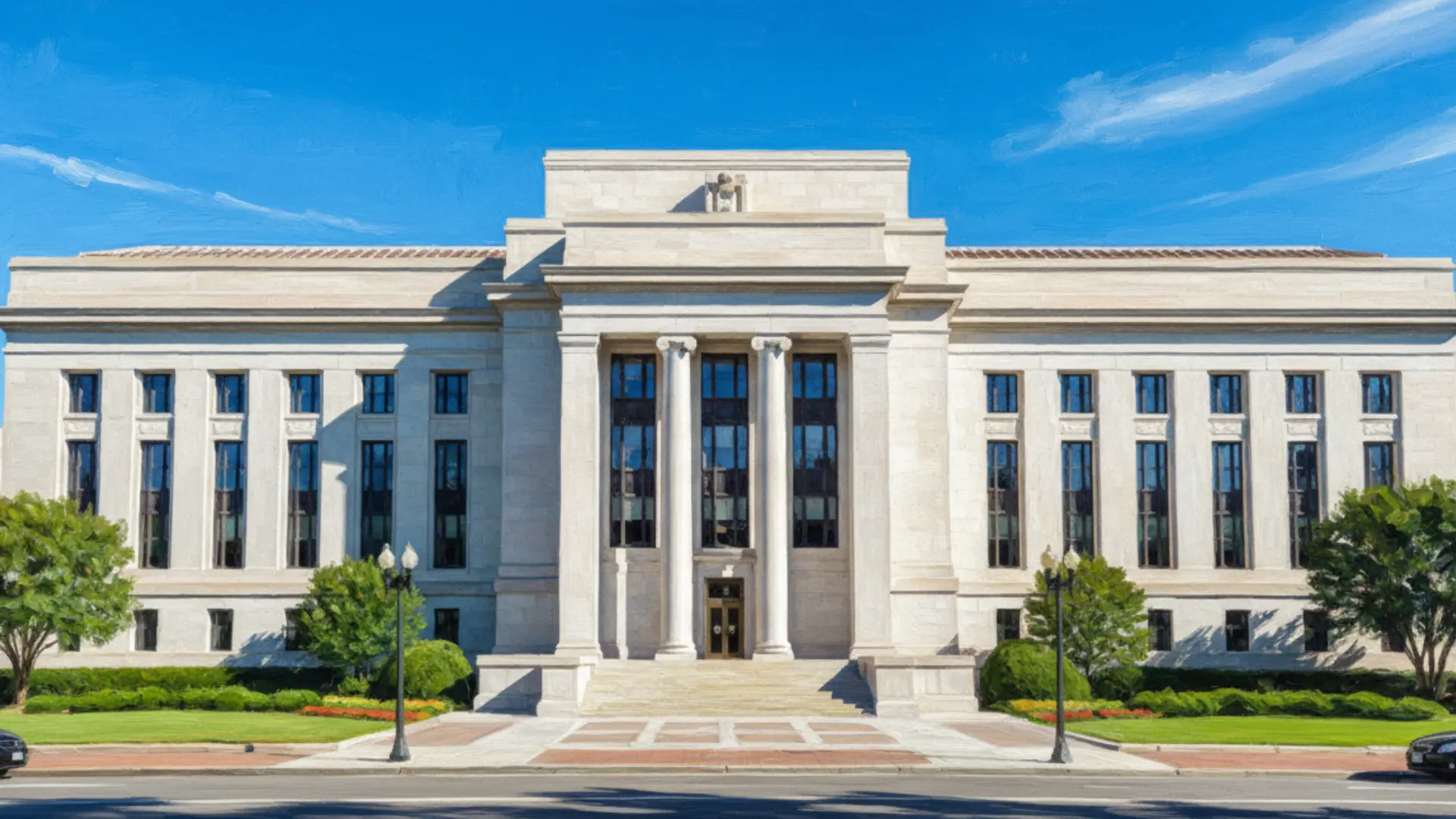
New York Fed President John Williams casually announced from Chile that yes, another interest rate cut in December still sounds like a splendid idea.
The mere utterance sent the probability of a December cut skyrocketing from a sleepy 35% to a caffeinated 75% faster than you can say “basis point.”
Investors, who apparently live for this kind of suspense, immediately began pricing in cheaper money the way teenagers price in weekend plans.
Williams, speaking with the calm authority of a man who knows everyone is hanging on his every syllable, declared there remains “room for a further adjustment” to get policy closer to neutral. Translation: the Fed’s current stance is still a touch too restrictive, like wearing a tuxedo to the gym.
He did throw cold water on the party by noting tariffs are adding half to three-quarters of a percentage point to inflation. Economists nodded solemnly while secretly wondering if that meant an extra pumpkin spice latte surcharge.
Meanwhile, Fed Governor Stephen Miran, the board’s resident rate-cut enthusiast, practically begged colleagues to join him in the 25-basis-point club. Previously dreaming of a jumbo 50, he graciously settled for the standard serving, proving even monetary rebels can compromise.
The September jobs report, delayed by the government shutdown longer than some Hollywood sequels, finally arrived boasting 119,000 new jobs—more than double expectations. August’s number, however, was revised into negative territory, continuing a payroll rollercoaster that would make even seasoned carnival riders queasy.
Unemployment ticked up to 4.4%. Officials quickly reassured everyone this was actually good news because more people decided to start looking for work again. Nothing says “strong labor market” like a rising unemployment rate, apparently.
Boston Fed President Susan Collins struck a decidedly less festive tone, insisting the economy remains resilient and companies might just pass tariff costs straight to consumers. She advocated keeping policy “mildly restrictive,” which sounds like the Fed equivalent of putting the economy on a light salad diet.
Dallas Fed’s Lorie Logan warned she would need to see inflation actually behave or the job market take a serious tumble before supporting another cut. Translation: convince me, or the rates stay exactly where they are, thank you very much.
Philadelphia Fed’s Anna Paulson, making her speaking debut like a nervous understudy, announced each rate cut raises the bar for the next one. Somewhere, a high-jump coach felt deeply understood.
Vice Chair Philip Jefferson rounded out the troika by noting employment risks now outweigh inflation risks but still urged everyone to ease “slowly.” Because nothing calms financial markets like the phrase “slowly” delivered right before the holidays.
As Wall Street digests this whirlwind of cautious optimism, measured dovishness, and selective hawkishness, one thing is clear: the Federal Reserve remains committed to keeping everyone guessing until the very last minute.
Markets closed the week pricing in that 75% chance of a cut, which in Fed-watching terms is basically a done deal—until the next official opens their mouth.






Leave a Reply