
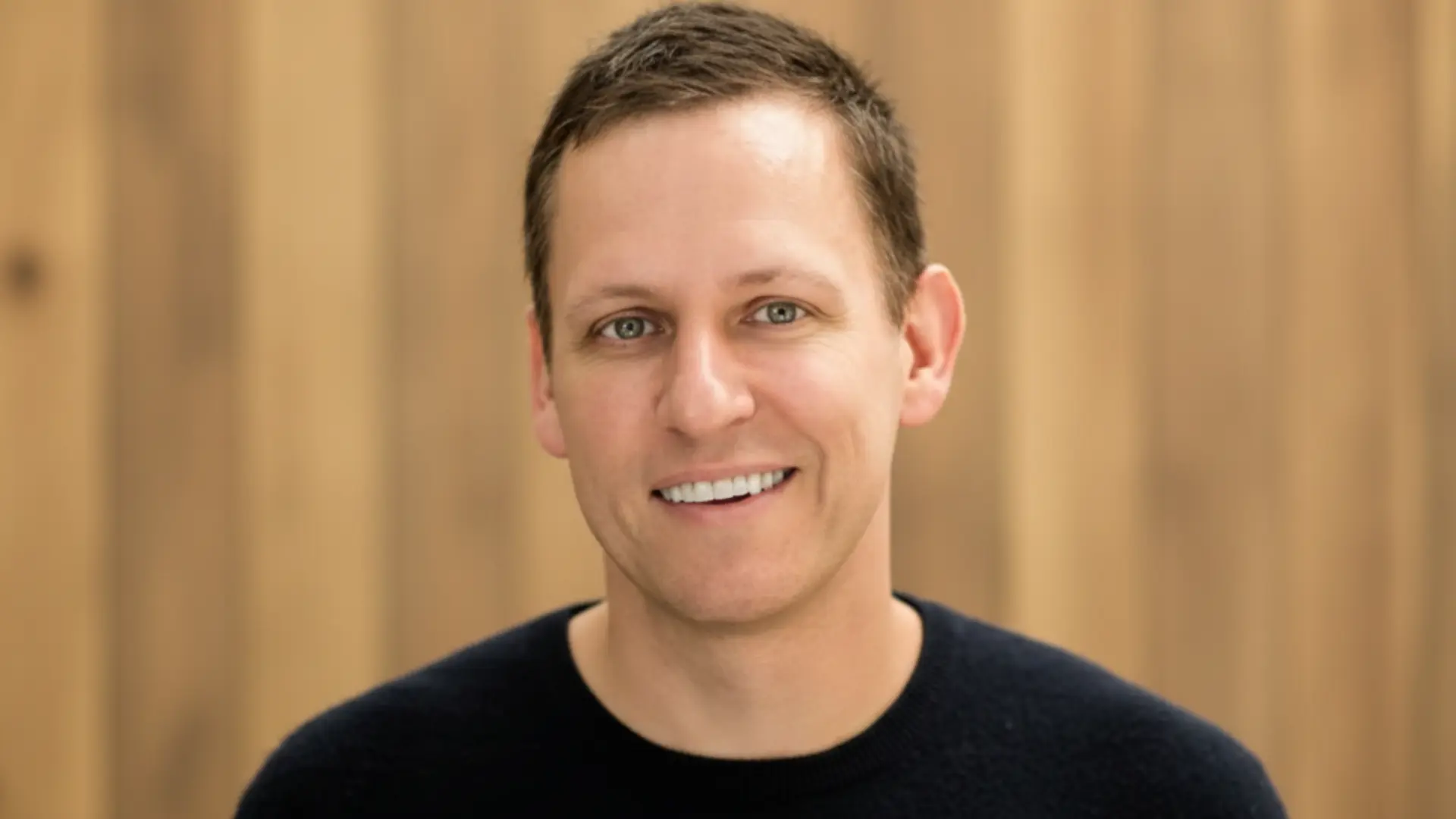
Billionaire investor Peter Thiel’s hedge fund has dumped its entire Nvidia stake, waving goodbye to about $100 million worth of those golden AI chips just as the tech darling hit a $5 trillion valuation milestone. It’s like leaving the hottest club in town right before the DJ drops the bass—except here, the bass is a potential bubble burst.
Thiel Macro LLC, the fund in question, offloaded every last one of its 537,742 Nvidia shares during the third quarter, according to the latest 13F filing. That’s not a trim; that’s a full wardrobe clear-out, leaving the portfolio slimmer but cozier with heavyweights like Apple, Microsoft, and a trimmed-down Tesla position.
Picture the timing: Nvidia had just crowned itself the world’s most valuable company. Yet Thiel’s exit feels less like a victory lap and more like sneaking out the back door with the coat check girl—er, coat check algorithm—while everyone’s still toasting to tomorrow’s robot overlords.
Enter the skeptics’ symphony. Hedge fund maestro Michael Burry, the oracle who shorted the housing market into oblivion back in 2008, has piled on with put options against Nvidia and Palantir, those bearish bets that bloom like financial weeds if stock prices wilt. Burry even tossed a cryptic breadcrumb on X: “sometimes, we see bubbles.” Subtle as a whoopee cushion under a boardroom chair.
Meanwhile, the AI ecosystem’s been playing hot potato with billions in a circle of deals between chipmakers, startups, and data center dinosaurs. It’s all very “give a man a fish, teach him to AI,” but critics worry it’s just propping up the tent poles of an industry that’s spending like it’s printing its own money—oh wait, with enough GPUs, maybe it is.
Japan’s SoftBank Group, under the visionary (or visionary-adjacent) Masayoshi Son, cashed out its Nvidia shares in October for a cool $5.83 billion, redirecting the loot to fresher AI gambles. Thiel shares Son’s exit itch but skips the unbridled optimism; it’s as if one man’s “all-in on the future” is another’s “I’ll take the window seat on the way out.”
Nvidia’s stock? It’s been a rollercoaster with training wheels—up a modest 1% since September’s close, only to dip as much as 2.8% in Monday’s New York trading, like a caffeinated squirrel second-guessing its acorn hoard. An audit of 909 hedge funds’ 13F filings reveals the great divide: 161 doubled down on Nvidia dreams, while 160 hit the eject button, turning investor sentiment into a perfectly balanced seesaw of hope and hedge.
The real head-scratcher? AI outfits keep vacuuming up venture cash at warp speed, but monetization models are playing hard to get, like that one friend who promises to Venmo you back “next week.” Billions poured in, pennies trickling out—it’s the tech equivalent of buying a Ferrari to deliver pizzas.
Thiel himself? Stone silent on email and message requests, probably off pondering the next big nothing in his Palantir-powered lair. But he’s not abandoning AI entirely; his venture bets include Substrate, a U.S. upstart gunning for semiconductor supremacy, plus Mercor and Cognition AI, proving you can leave the chips but take the sauce.
Burry lobbed shade at the hyperscalers gobbling Nvidia’s wares—Microsoft and Alphabet, we’re looking at you. He’s griping about their sneaky depreciation schedules, stretched like taffy to sweeten profits and shave expenses, turning capital investments into a fiscal magic trick worthy of Houdini in a hoodie.
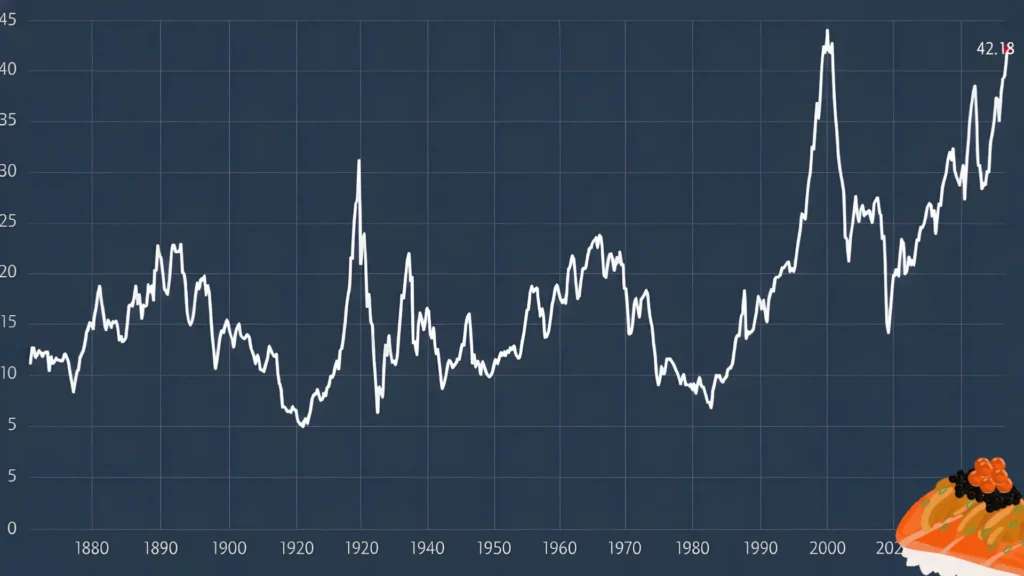
As the dust settles—or doesn’t, given the chip-fueled fog—divided opinions linger like the aftertaste of too much hype. Will this be the prick that pops the AI balloon animal, or just another gust in the wind? For now, Thiel’s tally-ho from Nvidia serves as a polite reminder: even emperors of innovation know when to fold ’em, lest the house always wins.





Leave a Reply