
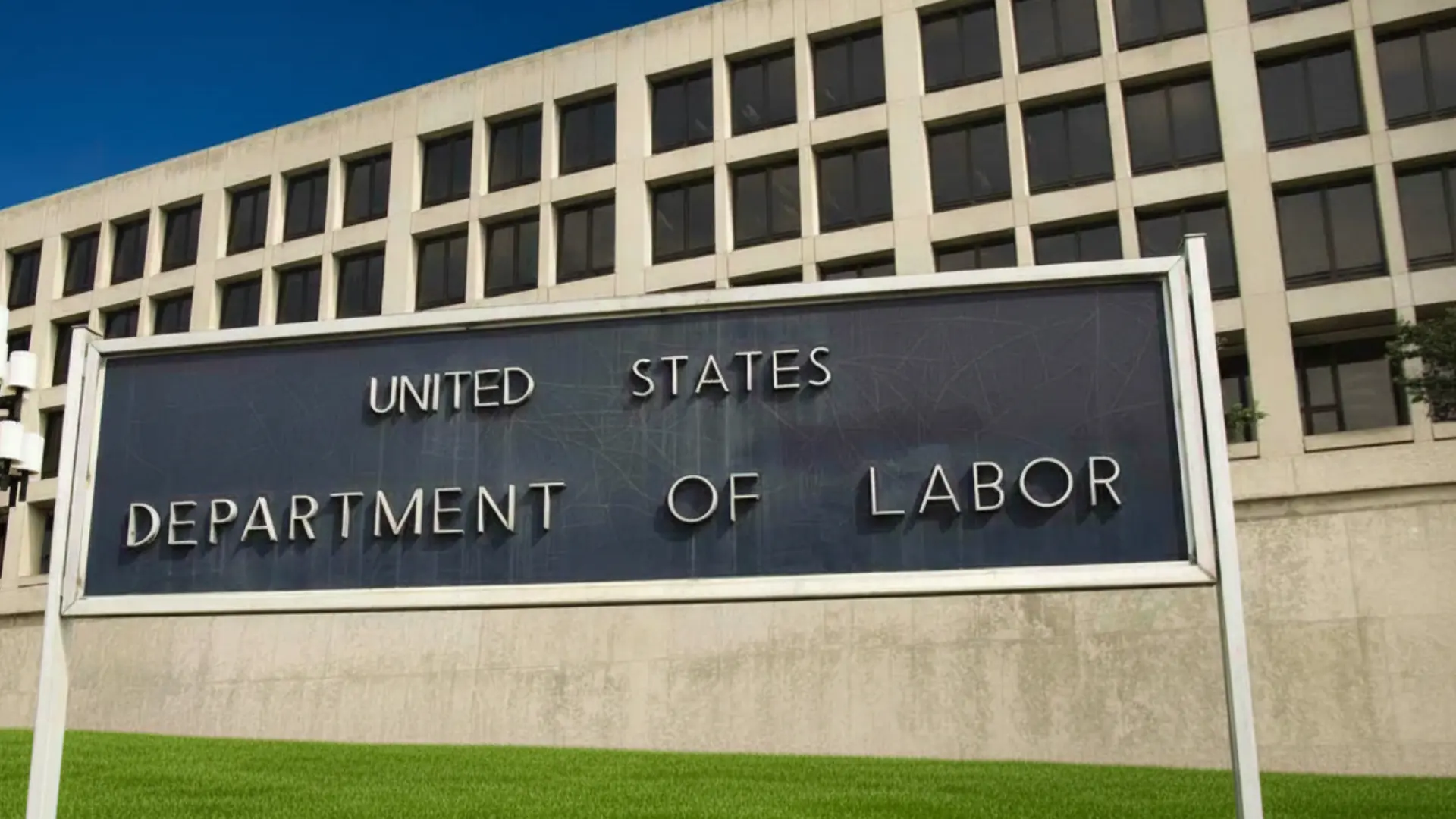
The Labor Department’s long-lost September hiring and unemployment numbers are slated for release next Thursday, a casual month-and-a-half after their due date, courtesy of the 43-day federal government shutdown that turned economic data into a game of hide-and-seek.
The statistical blackout plunged the Federal Reserve, businesses, policymakers, and investors into a fog thicker than a politician’s promise, leaving them guessing at inflation, job creation, GDP growth, and other pulse-checks of America’s economic heartbeat since late summer.
Over 30 reports from the Labor Department’s Bureau of Labor Statistics and the Commerce Department’s Bureau of Economic Analysis and Census Bureau sat on ice, delayed by the political standoff that made Capitol Hill resemble a family feud over the remote control.
Thomas Simons and Michael Bacolas at Jefferies tallied the casualties in a Friday commentary, noting how the jobless claims report—Wall Street’s crystal ball for labor trends—went dark for seven straight weeks, leaving forecasters to consult tea leaves instead.
That weekly tally of Americans filing for unemployment benefits? It vanished like socks in a dryer, depriving economists of their favorite early warning siren for hiring hiccups or booms.
The Labor Department did muster the energy for a tardy encore, dropping September’s consumer price index on October 24—nine days late, mind you—because even bureaucrats know not to keep Social Security checks waiting like awkward guests at a wedding.
Tens of millions relying on federal benefits for cost-of-living tweaks breathed a sigh of relief, as the inflation gauge limped in just in time to avoid a mutiny among mailbox vigilantes.
Timing, as they say, is everything, and this data drought hit during President Donald Trump’s policy whirlwind of import taxes that flip-flopped like a fish on a dock and deportations that shuffled undocumented workers out the back door, brewing uncertainty thicker than fog in San Francisco.
The economy flashed mixed signals: midyear growth strutted like a peacock, unemployment lounged at historic lows, but job adds sputtered like an old engine, and inflation clung to the Fed’s 2% target like a barnacle on a boat, thanks in part to those tariff tempests.
Jefferies’ Simons, peering through his economist’s monocle, predicts September’s report will reveal a modest 65,000 jobs added—better than August’s puny 22,000, but about as exciting as lukewarm oatmeal on a Monday.
Unemployment, he bets, held steady at a svelte 4.3%, a figure that sounds like a yoga pose for the workforce.
Wall Street turned the data void into a cocktail party of consternation, with traders refreshing screens like gamblers at a slot machine stuck on “loading.”
Fed officials, meanwhile, splintered like a dropped plate over December’s potential third rate cut, some whispering that the info famine justified hitting pause, as if numbers were the only thing keeping interest rates from a joyride.
Fresh dispatches on jobs and prices now dangle like forbidden fruit, poised to tip the scales in the Fed’s family feud between rate-slashers and hold-the-line holdouts.
Even with the government gates flung open, recovery crawls like a toddler in molasses; White House economist Kevin Hassett admitted this week that October’s jobs report—due November 7—will arrive in piecemeal fashion, like a puzzle missing half its sky.
The Bureau of Labor Statistics can crunch electronic job tallies from businesses, painting a picture of gains or losses, but the household survey for unemployment? It ghosted during shutdown, leaving October’s rate uncalculable for the first time since 1941—a 77-year streak snapped like a twig under bureaucracy’s boot.
No October inflation readout either, officials grumbled, as data collection played hooky, forcing the Fed to divine whether prices are moseying back to 2% or staging a stubborn sit-in.
The chaos capped a bumpy year for the BLS, fresh off Trump’s August axing of director Erika McEntarfer over July’s underwhelming job figures—modest adds that revised May and June downward, like editing a resume to fit the facts.
Trump’s September withdrawal of a BLS head nominee left the agency in caretaker mode, a rare spell without political puppeteers tugging strings.
Economists, bless their slide-rule souls, insist the data’s pedigree remains pure; Aaron Sojourner of the W.E. Upjohn Institute noted it’s the same crew cranking numbers as always, sans the scent of partisanship.
As reports cascade in, markets brace for the deluge, hoping these belated bulletins don’t drown the recovery or, worse, confirm it’s all been a elaborate game of economic charades.







Leave a Reply