OpenAI’s top brass turned a friendly chat into a viral roast and a finance faux pas into a full-court press for government greenbacks.
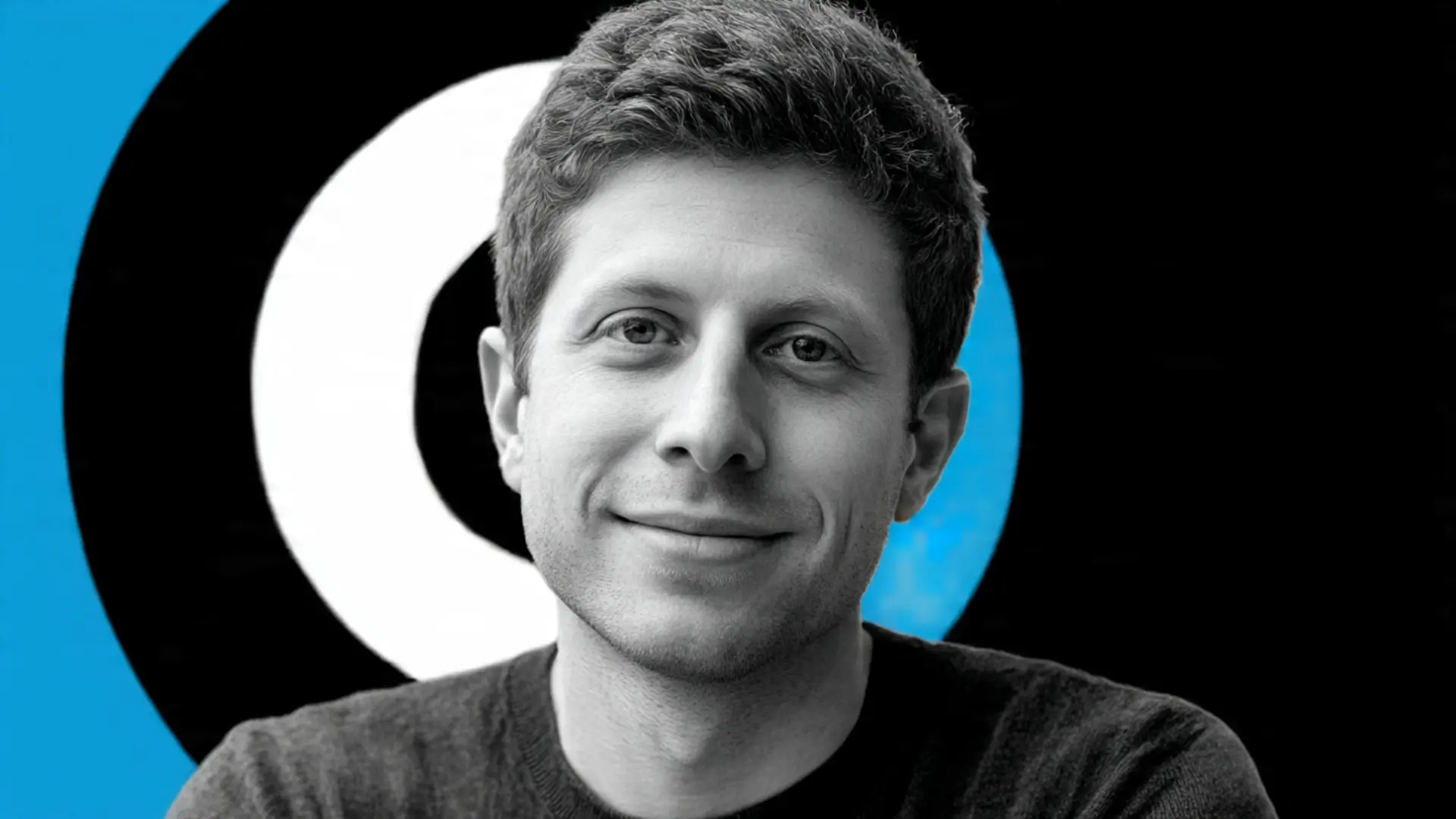
Picture Sam Altman, the boy wonder of bots, swatting away a pesky investor question like it’s a fly at a picnic. Or rather, don’t picture it— just know the clip has more shares than OpenAI has server farms.
The drama kicked off at a Wall Street Journal shindig, where CFO Sarah Friar floated the idea of Washington offering loan guarantees to the planet’s fattest private firm. “Backstop,” she called it, as if OpenAI were a wobbly Jenga tower of algorithms needing a safety net.
Audiences blinked. Backstop? For a company burning cash faster than a toddler with matches? The internet erupted in polite outrage, the kind where memes multiply but nobody throws actual pitchforks.
Friar dashed to LinkedIn with a mea culpa softer than a kitten’s whisker. No bailout, she clarified—just a muddled metaphor that accidentally summoned visions of Uncle Sam footing the AI bill.
Enter Altman, stage left via X, with a novella-length thread denying any whiff of welfare. “We’re not looking for a handout,” he typed furiously, fingers probably smoking from the speed. One might wonder if his next model will include a “PR polish” upgrade.
But wait, the real fireworks fizzled from a podcast last weekend, where Altman faced off with investor Brad Gerstner. Over coffee and common stock dreams, Gerstner prodded: How does OpenAI pledge over a trillion bucks in spending when this year’s revenue clocks in at a modest 13 billion?
Silence. Then, Altman’s zinger: “Brad, if you want to sell your shares, I’ll find you a buyer. Enough.” Oof. It’s the tech equivalent of “Your mom” at a board meeting.
Microsoft’s Satya Nadella let out a chuckle that echoed through the awkwardness. Laughter as lubricant—classic CEO move, turning tension into a TikTok goldmine.
Online sleuths pounced, dubbing it “documentary fodder” for the inevitable AI apocalypse flick. For a sector fueled by fairy dust and fusion fantasies, one salty retort can sour the whole elixir.
OpenAI’s woes trace a trail of triumphs turned touchy. First, it scooped up the world’s data like a vacuum on steroids. Then, it eyed jobs like a cat with a laser pointer.
Now? The specter of spending sprees that could leave taxpayers holding the bag if the AI bubble pops like overcooked popcorn. Ironic, isn’t it, how the company dodging public scrutiny still craves public pockets?
Altman, in the same sit-down, mused about going public just once—to bait the doubters into shorting the stock. “Prove ’em wrong,” he grinned, eyes twinkling with that trademark mischief. Because nothing says “stable genius” like a revenge IPO.
Friar, meanwhile, doubled down on the private party line this week. No stock ticker tattoos yet; growth is the groove, she hummed, as if trillion-dollar taboos were just Tuesday chit-chat.
OpenAI pitches itself as America’s AI ace in the hole, a strategic sweetheart deserving shields from foreign foes. Cherish us, protect us, they plead—minus the quarterly striptease of earnings calls.
Yet as the walk-backs pile up like unread emails, one can’t help but chuckle at the conundrum. A firm so sly with secrets, so spendy with dreams, now dancing for dollars from D.C.’s dubious dance card.
Will Washington waltz? Or will OpenAI’s overtures overheat into another viral viral? For now, the bots keep humming, the bosses keep clarifying, and the rest of us keep scrolling—wondering if our next prompt should be for financial therapy.


Leave a Reply