
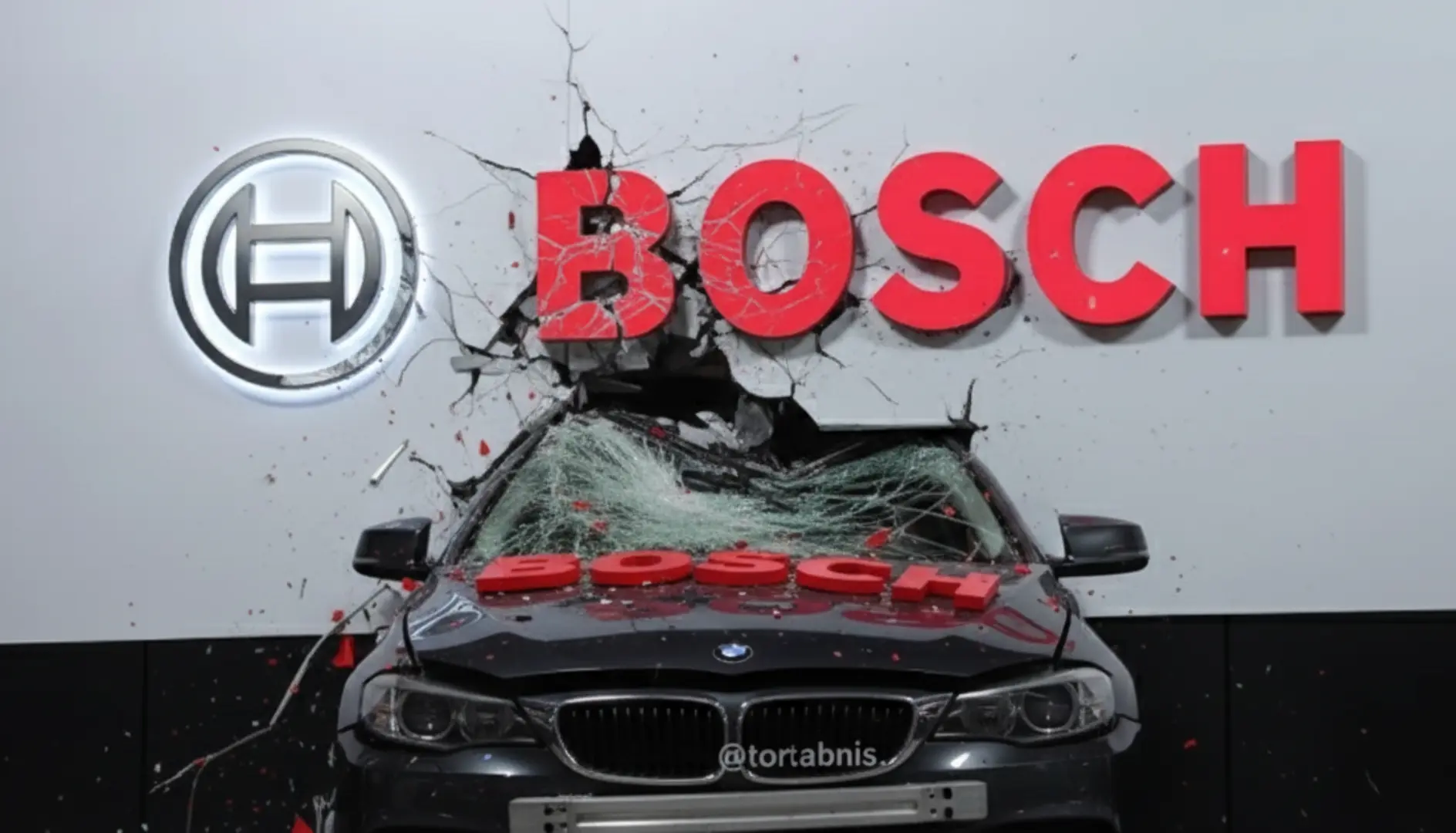
German auto giant Bosch is dusting off its furlough playbook for its Salzgitter plant, all because a Dutch-Chinese chip tussle has turned Europe’s carmakers into a fleet of potential rolling paperweights.
Picture this: Your sleek electric dream ride, humming along on autopilot, suddenly forgets how to brake because its tiny silicon brain is stuck in customs limbo. That’s the nightmare Bosch and its 1,400 Salzgitter wizards are prepping for, as China slaps an export ban on Nexperia’s finished chips in retaliation for the Netherlands’ dramatic corporate coup.
The drama kicked off when Dutch authorities seized control of Nexperia, the chip whiz kid owned by China’s Wingtech—a firm the U.S. has eyed suspiciously as a national security sneak. Because nothing says “trust me with your engine” like a semiconductor saga flagged by Uncle Sam for potential spy games.
Bosch, ever the unflappable engineer of optimism, insists it’s pulling every lever in its global gadget orchestra to keep the assembly lines purring. “We’re juggling inventories like a circus act on caffeine and doing our darndest to dodge production pratfalls,” a spokesperson emailed Reuters, in what might be the most German understatement since “it’s just a flesh wound” at the Battle of Thermopylae.
But Salzgitter, Bosch’s nerve center for motor control units that boss around both gas-guzzling relics and eco-friendly zappers, isn’t taking chances. Furloughs loom like uninvited guests at a tailgate party, ready to send workers home with polite apologies and perhaps a complimentary lug nut as a parting gift.
Across the parking lot of panic, Volkswagen flashed a thumbs-up Friday, claiming its German factories are safe for the week’s worth of wrench-turning. Yet, in true auto exec fashion, they couldn’t resist the caveat: “Short-term hiccups? Oh, absolutely possible—like that one time your GPS rerouted you through a llama farm.”
BMW and Mercedes, those perennial overachievers, chimed in with their own supplier sob stories, hinting that their precision-engineered empires are wobbling like a unicycle on ice. It’s as if the entire industry decided to play a game of global hot potato, but the potato is a microchip the size of a flea.
Enter the union horn, blaring from IG Metall’s Horst Ott in Bavaria, who painted a picture grimmer than a rainy day at the Nürburgring. “Suppliers are hitting the skids harder than a learner driver on black ice,” he warned at a Munich shindig, without dropping company names—because why add fuel to the rumor fire when the engines might stall anyway?
Bosch, bless its resourceful soul, is raiding its Rolodex for chip stand-ins like Infineon, NXP, and Texas Instruments—names that sound like a boy band from the ’90s, but with actual voltage.
The catch? Swapping suppliers is less “flip a switch” and more “marathon of approvals,” where bureaucracy tap-dances slower than a sloth in molasses.
Most Nexperia chips get their European makeover before jetting to China for the final fancy packaging, a detail that’s equal parts efficient and now hilariously hazardous. It’s like baking a cake in France, frosting it in Beijing, then watching the delivery truck get grounded by a tariff tantrum.
This chip charade joins the US tariff tango and China’s rare-earth export embargo, turning Europe’s auto sector into a piñata at a pessimist’s picnic. Who knew that the quest for greener wheels would involve more diplomatic detours than a rally driver dodging potholes?
Industry bigwigs are hollering for a political Hail Mary, with Dutch PM Dick Schoof buttonholing EU pals in Brussels this week. One can only imagine the summit small talk: “Pass the croissants—and while you’re at it, unfreeze my semiconductors before my EVs start unionizing.”
As Bosch fine-tunes its contingency choreography, one ironic upside emerges: More downtime means more family game nights for furloughed folks. Just don’t ask them to fix the toaster—those skills are strictly automotive.





Leave a Reply