Berkshire Hathaway, the Omaha-based juggernaut, dropped its second-quarter earnings report on Saturday, and it’s got more plot twists than a soap opera. Operating profits took a 4% dip to $11.16 billion, a slight stumble from last year. Insurance underwriting dragged its feet, but railroads, energy, manufacturing, service, and retailing businesses puffed out their chests with higher profits.
The big buzzword this quarter? Tariffs. Berkshire’s sounding the alarm louder than a foghorn at a silent retreat, warning that President Donald Trump’s trade policies could rain on their parade. “The pace of changes in these events, including tensions from developing international trade policies and tariffs, accelerated through the first six months of 2025,” the company stated, hinting at a bumpy road ahead for its sprawling empire.
Uncertainty is Berkshire’s new pen pal, and the company’s not thrilled about it. The earnings report noted that these tariffs could slap “adverse consequences” on most, if not all, of their businesses. Equity investments might take a hit too, which is about as welcome as a skunk at a picnic.
Cash is still king at Berkshire, with a jaw-dropping $344.1 billion pile, though it’s a tad lighter than the $347 billion from March. For the 11th quarter in a row, Berkshire played stock market Santa, selling off $4.5 billion in equities in the first half of 2025. No stock buybacks happened either, despite shares dropping over 10% from their peak—guess they’re saving those dollars for a rainy day.
Kraft Heinz, Berkshire’s problem child, served up a $3.8 billion write-down that stung worse than a paper cut. The consumer goods giant is mulling a spinoff of its grocery business, and two Berkshire execs jumped ship from its board in May. Talk about a condiment catastrophe!
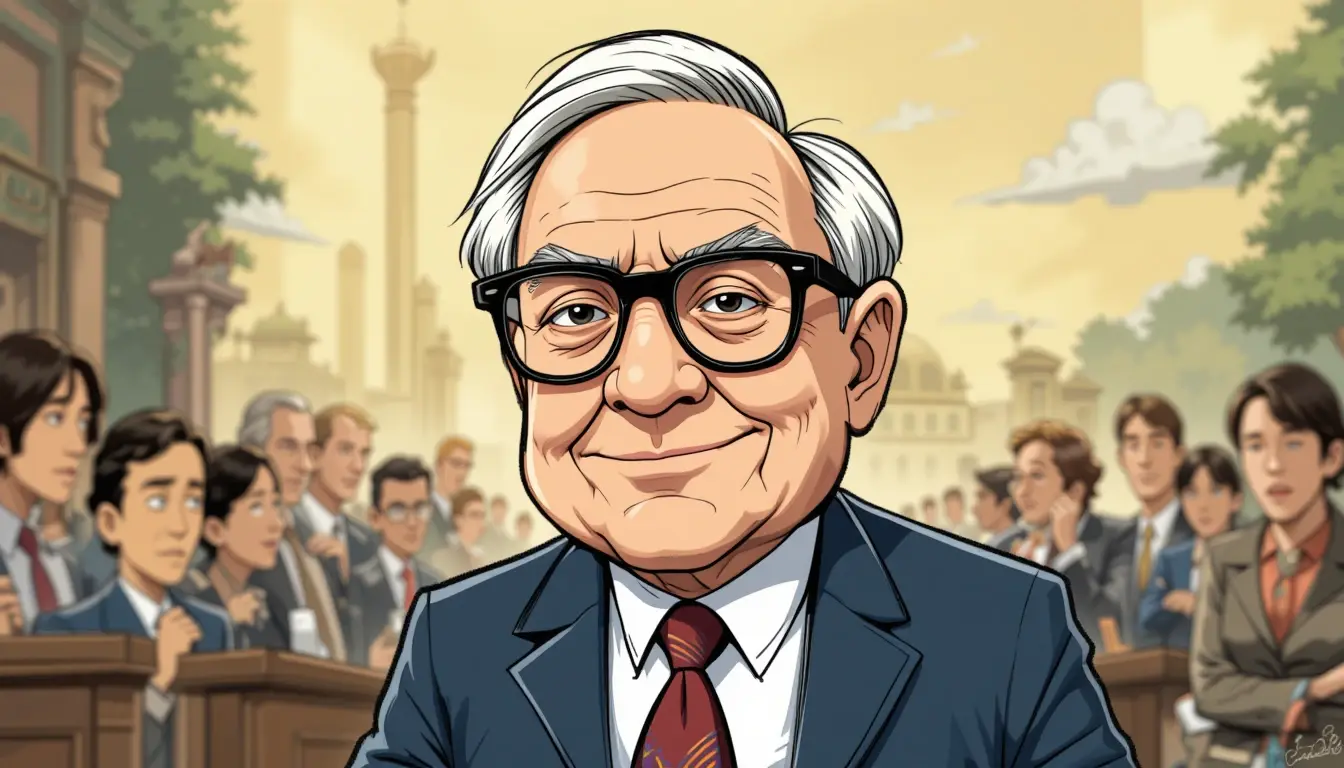
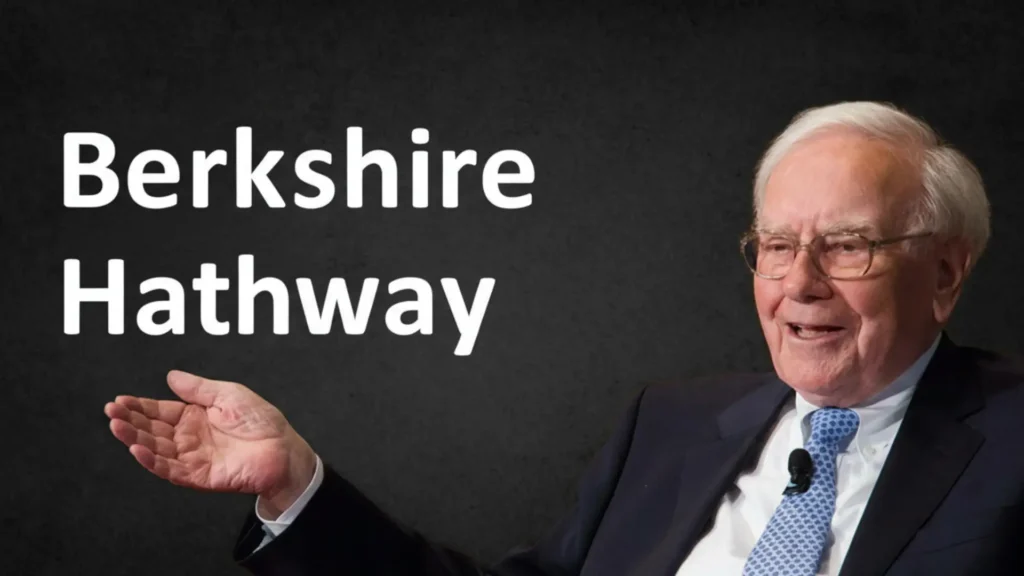
This earnings report marks the first since Warren Buffett, the 94-year-old investing legend, announced he’s passing the CEO baton to Greg Abel at year-end. Buffett will stick around as chairman, probably sipping his beloved Coca-Cola and offering sage advice. Abel, the vice-chairman of non-insurance operations, is ready to steer the ship, but all eyes are on him to see if he can keep the Berkshire magic alive.
The tariff talk isn’t just Berkshire’s worry—it’s the talk of the town across the business world. Web reports suggest Trump’s proposed tariffs, including a 50% hit on copper imports, are rattling cages from Wall Street to Main Street. Companies are bracing for higher costs and supply chain hiccups, which could make your morning coffee pricier than a designer handbag.
Berkshire’s insurance arm, including big names like Geico, took a hit this quarter, partly due to hefty losses from Southern California wildfires. Meanwhile, BNSF Railway and Berkshire Hathaway Energy kept the trains running and the lights on, boosting profits. It’s a mixed bag, but Berkshire’s still got more irons in the fire than a blacksmith convention.
The Kraft Heinz saga continues to be a thorn in Berkshire’s side. The $3.8 billion write-down reflects a stock value drop to $8.4 billion, and with Kraft Heinz eyeing a grocery business spinoff, it’s clear this investment hasn’t been the ketchup-covered cash cow Buffett hoped for. Two Berkshire directors waving goodbye to Kraft Heinz’s board in May only adds fuel to the fire.
Buffett’s cash hoard, while slightly trimmed, is still the stuff of dreams—$344.1 billion could buy a small country or at least a lifetime supply of Dairy Queen blizzards. But with no stock buybacks and a net sell-off of equities, Berkshire’s playing it cautious. The market’s volatility, fueled by tariff fears, might be keeping Buffett’s wallet zipped tighter than a pickle jar.
Greg Abel’s upcoming CEO gig is the talk of Omaha and beyond. Described as a “tremendous learning machine” by the late Charlie Munger, Abel’s got a resume that screams competence, from turning Berkshire Hathaway Energy into a powerhouse to managing a portfolio that could make a Fortune 500 company blush. But stepping into Buffett’s shoes is no small feat—those are some big loafers to fill.
Investors are twitchy, and who can blame them? Berkshire’s stock took a 5% tumble after Buffett’s exit announcement in May, and this earnings report didn’t exactly send it soaring. The market’s watching Abel’s every move, wondering if he’ll keep Berkshire’s culture of “intelligent autonomy” intact or if he’ll shake things up with a dividend or a big acquisition.
Tariffs are the elephant in the room, and Berkshire’s not alone in sweating them. Web chatter points to fears of a global trade war, with Trump’s policies potentially hiking costs for everything from cars to ketchup. Berkshire’s warning that “considerable uncertainty remains” is as comforting as a cold french fry.
As Buffett prepares to hand over the reins, the investing world’s holding its breath. Abel’s got the skills, the cash, and a conglomerate that’s weathered storms before. Whether he can dodge the tariff tsunami and keep Berkshire’s profits chugging along is the billion-dollar question—literally.

Leave a Reply