
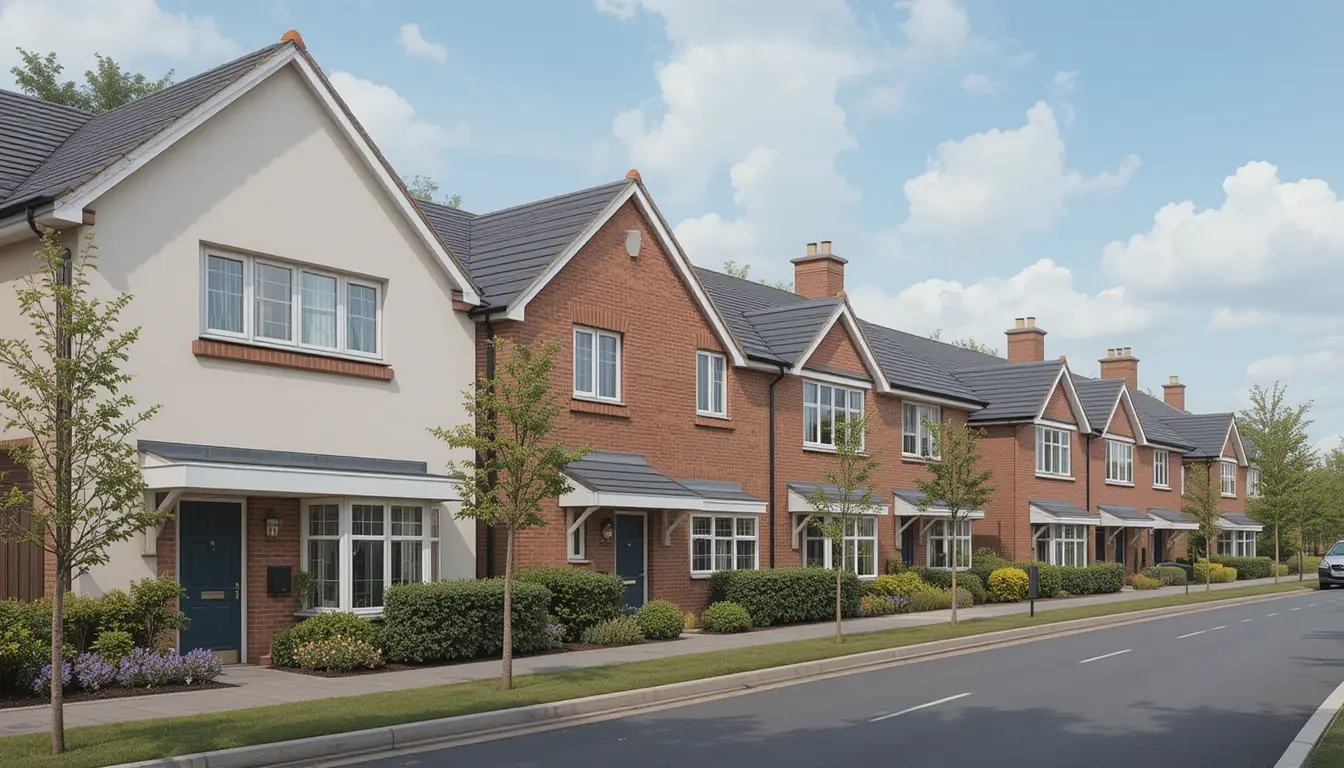
The UK housing market, that rollercoaster of dreams and debt, has decided to dust itself off and strut its stuff again. After a June slump that had everyone clutching their wallets, house prices in July 2025 climbed back up by 0.6%, hitting an average of £272,664, according to Nationwide. It’s as if the market took a quick nap, then woke up ready to party.
The annual growth rate also perked up, nudging from 2.1% in June to a slightly sassier 2.4%. Nationwide, the UK’s biggest building society, reported 64,200 mortgage approvals in June, proving that buyers are still eager to dive into the property pool. It’s a bit like watching ants march to a picnic—steady, determined, and slightly chaotic.
Affordability is getting a rare moment in the sun. Robert Gardner, Nationwide’s chief economist, noted that the average home now costs 5.75 times the average income—the lowest ratio in over a decade. This means deposits are less of a headache, and higher loan-to-value mortgages are popping up to help buyers.
But don’t pop the champagne just yet. Borrowing costs are still playing the grumpy gatekeeper, with five-year fixed-rate mortgages for those with a 25% deposit sitting at 4.3%—triple the rates from autumn 2021. It’s enough to make you wonder if your piggy bank needs a second job.
The stamp duty saga added some spice to this tale. Temporary tax breaks in England and Northern Ireland vanished in April, slapping an extra £2,500 on average to many home purchases. Buyers in southern England, where property prices are higher, felt the pinch the most, according to Zoopla.
Despite the tax grumble, the market’s got some spring in its step. Jeremy Leaf, a London estate agent, said transactions are holding steady, and a potential interest rate cut could add more fuel to the fire. The Bank of England’s base rate, currently lounging at 4.25%, might just get a trim soon.
All eyes are on the Bank of England’s next meeting on August 7, where the Monetary Policy Committee (MPC) will decide if it’s time to snip the base rate to 4%. Financial markets are betting on another cut to 3.75% by year-end, which could make mortgages a tad less terrifying. Andrew Bailey, the Bank’s governor, has already hinted at a downward path for rates, so optimism is bubbling.
But here’s the plot twist: inflation decided to crash the party. June saw it jump to 3.6%, above the Bank’s 2% target and higher than May’s 3.4%. This unexpected spike has the MPC stroking their chins, wondering if they should hold off on those rate cuts.
Karen Noye, a mortgage expert at Quilter, summed it up neatly: all eyes are on the Bank of England. A rate cut could give buyers a boost, but sticky inflation might keep the MPC cautious. It’s a bit like waiting for your takeaway order—you’re hopeful, but you’re not sure when it’ll arrive.
The market’s resilience is worth a nod. Despite the stamp duty hike and inflation’s antics, buyers and sellers are keeping the show on the road. Zoopla reported a record number of properties for sale in July, with demand and sales defying the usual summer slowdown.
Regions like Northern Ireland and Scotland are stealing the spotlight, with annual price growth at 9.7% and 4.5%, respectively. England and Wales trailed behind at 2.5% and 2.6%, showing that the market’s got different vibes depending on where you look. It’s a patchwork quilt of property fortunes.
Mortgage affordability is also getting a helping hand. Recent changes mean borrowers can snag up to 20% more than they could three months ago, without needing a pay rise. This, combined with wages outpacing inflation, is giving buyers a bit more wiggle room.
Still, challenges lurk. High mortgage rates and the end of low fixed-rate deals are making some homeowners sweat. Those rolling off ultra-low rates from a few years back might face a shock when remortgaging, as noted by Morningstar.
The bigger picture? The UK housing market is like a plucky underdog in a boxing match. It took a hit from stamp duty changes and high rates but bounced back with a cheeky grin. Experts at Savills predict a 24.5% price rise by 2029, so the long game looks promising.







Leave a Reply